In real rooms
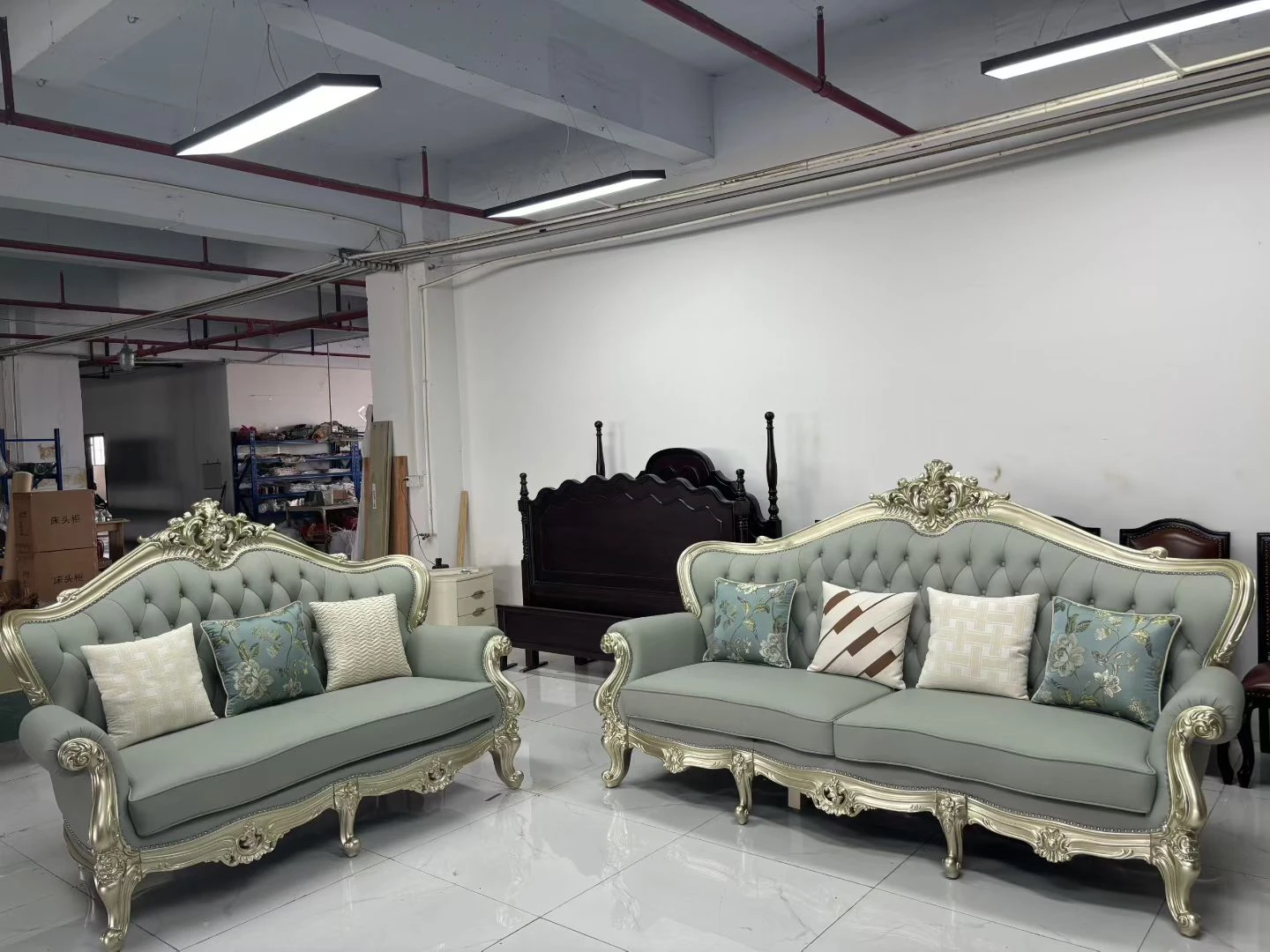
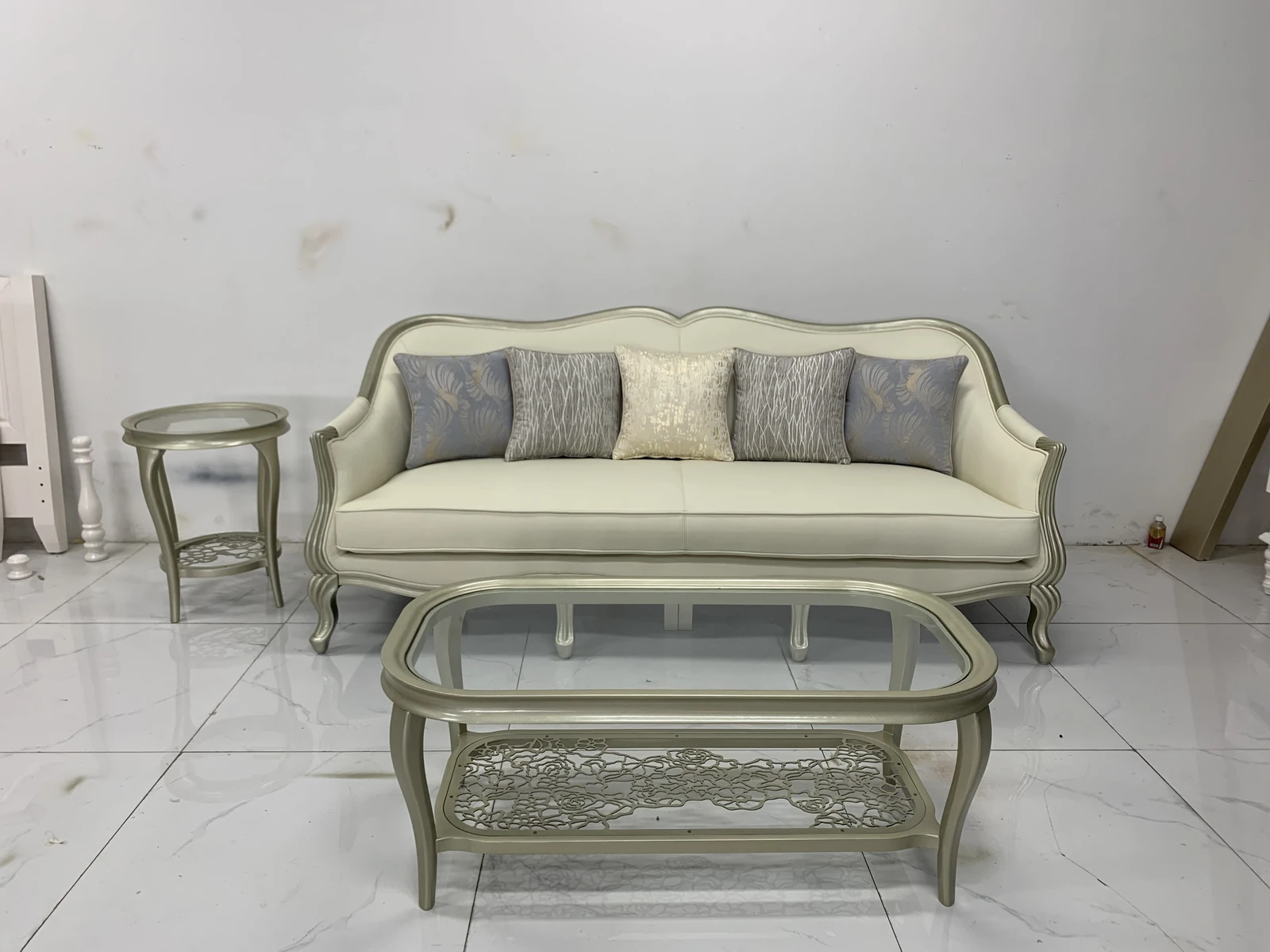
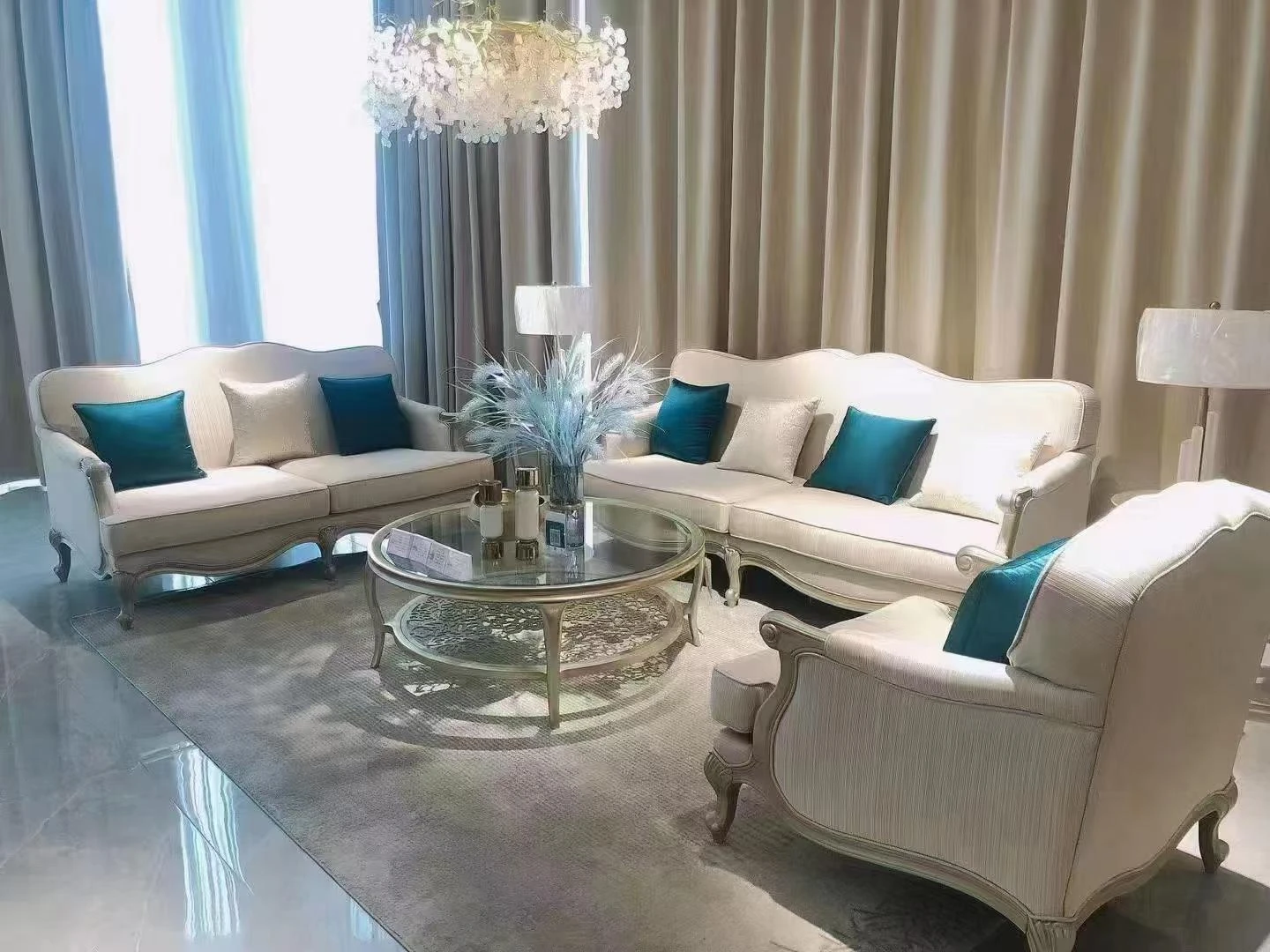
From compact HDB living rooms to landed-property lounges — discover how the right sectional transforms your space, maximises comfort, and elevates your interior design.
A detailed comparison of the two most popular sectional configurations for HDB flats and condo apartments. We measure doorways, evaluate traffic flow, and recommend the ideal layout for every floor plan type across Singapore.
Read Full Guide →Humidity, sweat, and spill resistance — which material truly wins in tropical conditions?
Compact L-shaped designs that don't overwhelm your living room layout.
Quality doesn't always mean expensive — these picks deliver value for money.
How to choose a sleek, low-profile sectional that complements Scandinavian and Japandi styles.
A sectional must survive your floor plan, not just your taste. Start by measuring the room’s longest wall, then subtract 30 cm for walkways. Sketch an L- or U-shape on paper and place it in your space using masking tape on the floor—most surprises are revealed this way. Compare depth (standard 90–105 cm; deeper = loungier but eats corridor space), seat height (45–50 cm suits most Asian averages), and chaise direction: left or right, not universal. Ask whether modules lock or merely rest against each other, if legs are removable for tight elevator access, and what the fabric’s rub count is—aim above 15,000 for households with children or pets.
A long-lasting sectional starts with the frame: look for kiln-dried hardwood (moisture content below 14%) and corner-blocked, screwed joints rather than stapled or glue-only connections. Suspension should use high-density elastic sinuous springs or hand-tied coils, not cheap webbing. For upholstery, tightly woven performance fabrics like solution-dyed acrylics resist fading in humid Southeast Asian climates, while tight-grain leather develops patina without cracking. Check that seat cushions combine high-resilience foam (minimum 30 kg/m³ density) with a wrapping layer to prevent premature sagging. Red flags include wobbly bases, visible filler dust from seams, fabric that pulls at stress points, and squeaking when weight shifts—these signal rushed assembly and materials cut to survive a showroom visit, not a decade of daily use.
A sectional that works in a Tokyo apartment will feel absurd in a KL landed home—and vice versa. Singaporeans and Bangkok condo dwellers need compact L-shapes or modular cubes that fit HDB and high-rise floorplans without blocking walkways. Japanese buyers prioritise ultra-low, slim-depth sectionals with hidden storage, suited to studios and share houses. Koreans lean toward mid-sized, clean-lined pieces that balance small living rooms with a presentable aesthetic for entertaining. Malaysians and Thais with landed properties can accommodate larger U-shapes and chaise-heavy layouts, but must factor in heat and humidity—opting for stain-resistant, breathable fabrics. Understanding your dwelling type before shopping saves both space and regret.
Most buyers ask the same handful of things before ordering a sectional. First: will it fit through the door? Measure not just your living room but every passage—corridors, stairwells, lift dimensions, especially in older HDBs and mid-rise apartments where delivery routes are tight. Second: left or right chaise? This is the single most common error, and retailers rarely allow swaps once assembled. Third: fabric choice. In hot, humid climates across Singapore and Kuala Lumpur, performance fabric or top-grain leather breathes better and resists mould; light-coloured linen looks great but demands honest commitment. Fourth: modular flexibility. Confirm whether your sectional can be rearranged later or if pieces lock permanently into one configuration. Read the spec sheet carefully—ambiguity here causes frustration.
Want the longer version? Browse all buying guides for this category.