Sofa SG: 9 Smart Questions Before Buying a Sofa in Singapore
Compare sofa sizes, fabrics, prices and delivery options for HDB and condo homes in Singapore, with practical measurements and buying checks.
- Which sofa size fits a typical Singapore HDB or condo living room?
- How much legroom do you actually need under a sofa or coffee table?
- Is a leather sofa practical for Singapore’s humid climate?
- Which sofa materials hold up best in an HDB or high-rise home?
- How much should a good sofa cost in Singapore?
- How do delivery and assembly work in Singapore high-rise homes?
- Should I buy a modular sofa for a small Singapore home?
- How do I compare sofa warranties and after-sales support?
- Which sofa is easiest to clean and live with every day?
- What should I check before ordering a custom sofa in Singapore?
Which sofa size fits a typical Singapore HDB or condo living room?
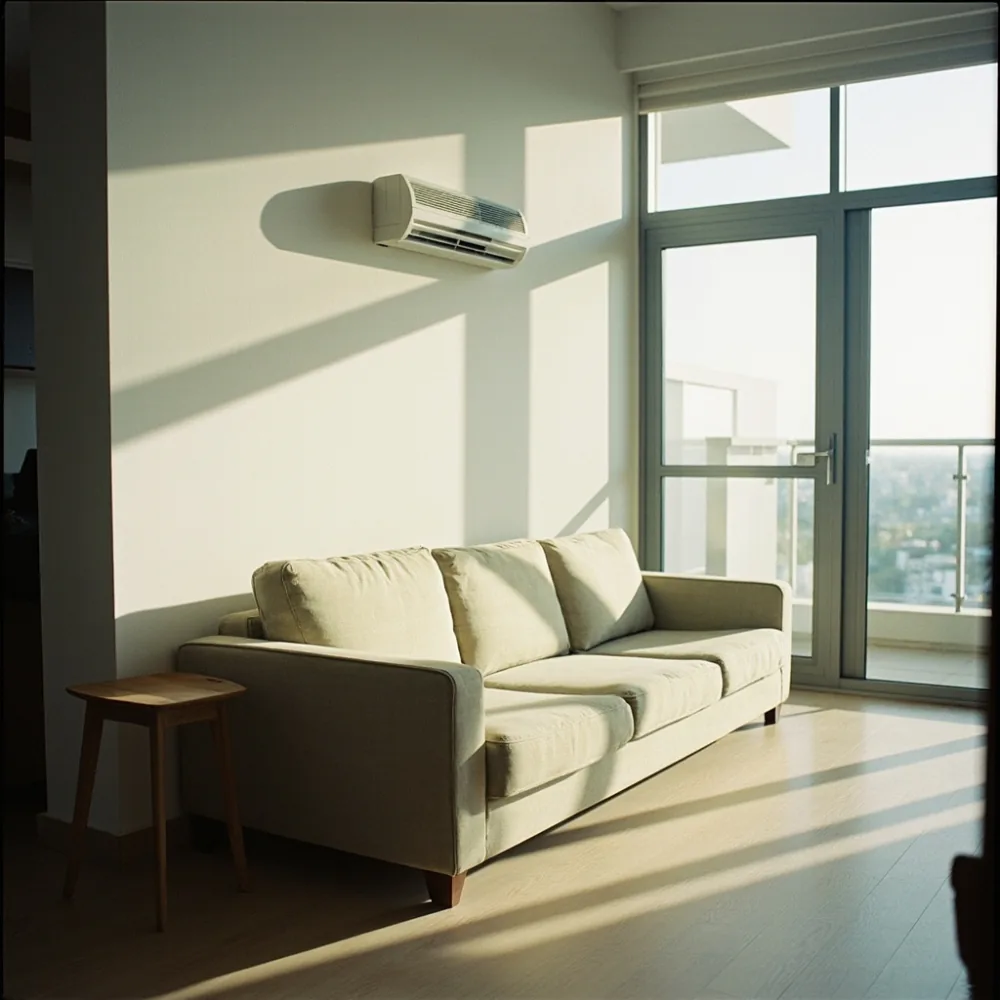
Measure the room before choosing the frame
Match the sofa to your main daily uses
I start with the room, not the catalogue. Most Singapore HDB living rooms combine a dining area, television area and sometimes a study, while new BTO and condo layouts often have narrower lounge zones. A sofa that looks generous in a showroom can make an ordinary room feel crowded once the coffee table, side table and walking path are added.
For a compact HDB living room, I usually look for a three-seat sofa no deeper than 95 cm. A 180–200 cm width works for three light users, while a 220–240 cm sofa suits longer bodies or a family that regularly sits together. In an open-plan condo, I also check where the dining chairs need to pull back and where the balcony door opens.
- Standard compact option: 180–200 cm wide, 85–95 cm deep
- Family option: 220–240 cm wide, 90–105 cm deep
- Leave at least 75–90 cm for a clear main walkway
- Allow around 40–50 cm between the sofa front and coffee table
These dimensions are a practical starting point, not a rule. If the room already has a fixed media console or dining table, measure every obstruction before ordering. Small space furniture works best when the sofa has a slim frame, low arms and raised legs, rather than a bulky silhouette.
How much legroom do you actually need under a sofa or coffee table?
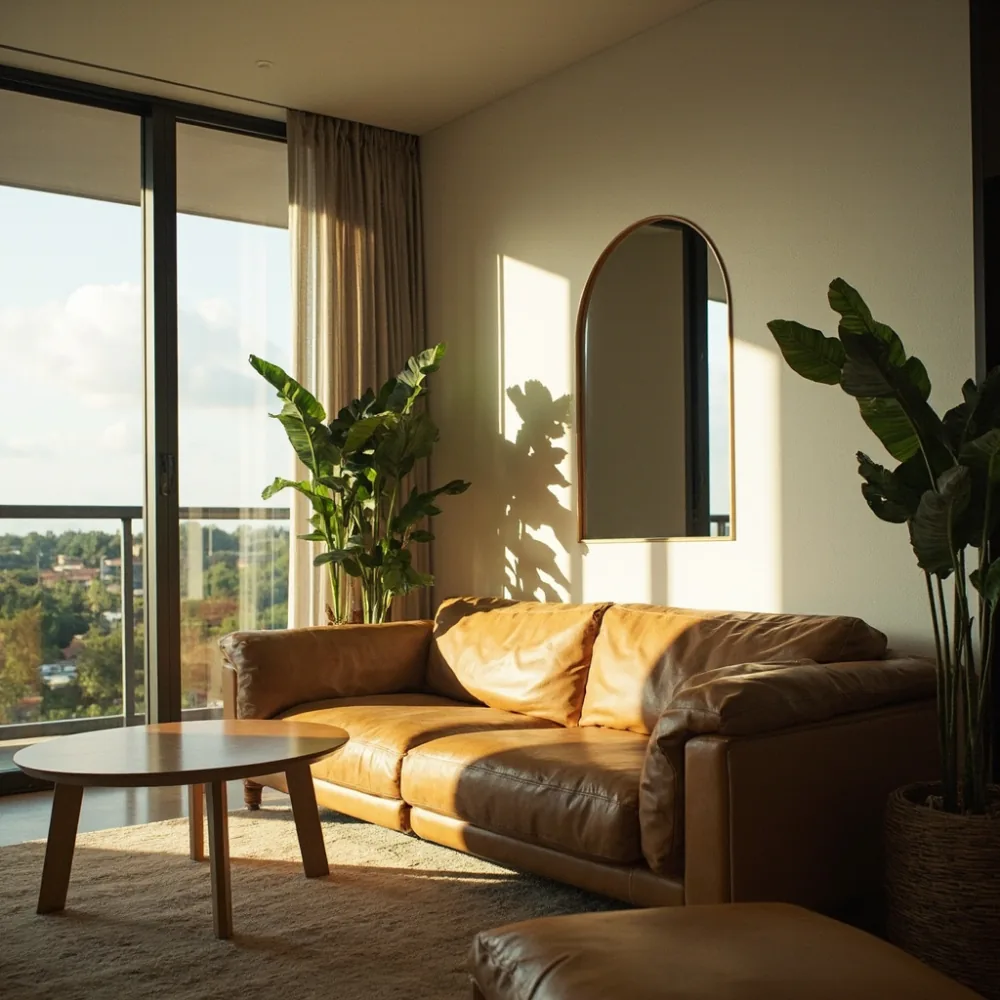
Check seat height against your body
Keep circulation space clear
Legroom is easy to overlook because showroom sofas feel deeper while standing and shallower after you sit down. I check two measurements: the usable seat depth and the clearance beneath the frame. A seat depth of 55–60 cm supports most adults without swallowing too much floor area.
For the coffee table, I normally leave 40–50 cm from the sofa’s front edge. This gives room to walk through and place a drink without reaching. For the sofa itself, a frame height of 38–43 cm suits many users, while a higher 44–47 cm seat can help older people stand up. A low coffee table should also sit below the seated knees; around 38–42 cm is a useful target.
Raised legs make cleaning easier and create an illusion of space. They do not automatically solve a cramped layout, though, because you still need somewhere for feet and a clear route to the television or balcony door. Test the sofa with shoes on, especially if children or older adults use the room daily.
Is a leather sofa practical for Singapore’s humid climate?
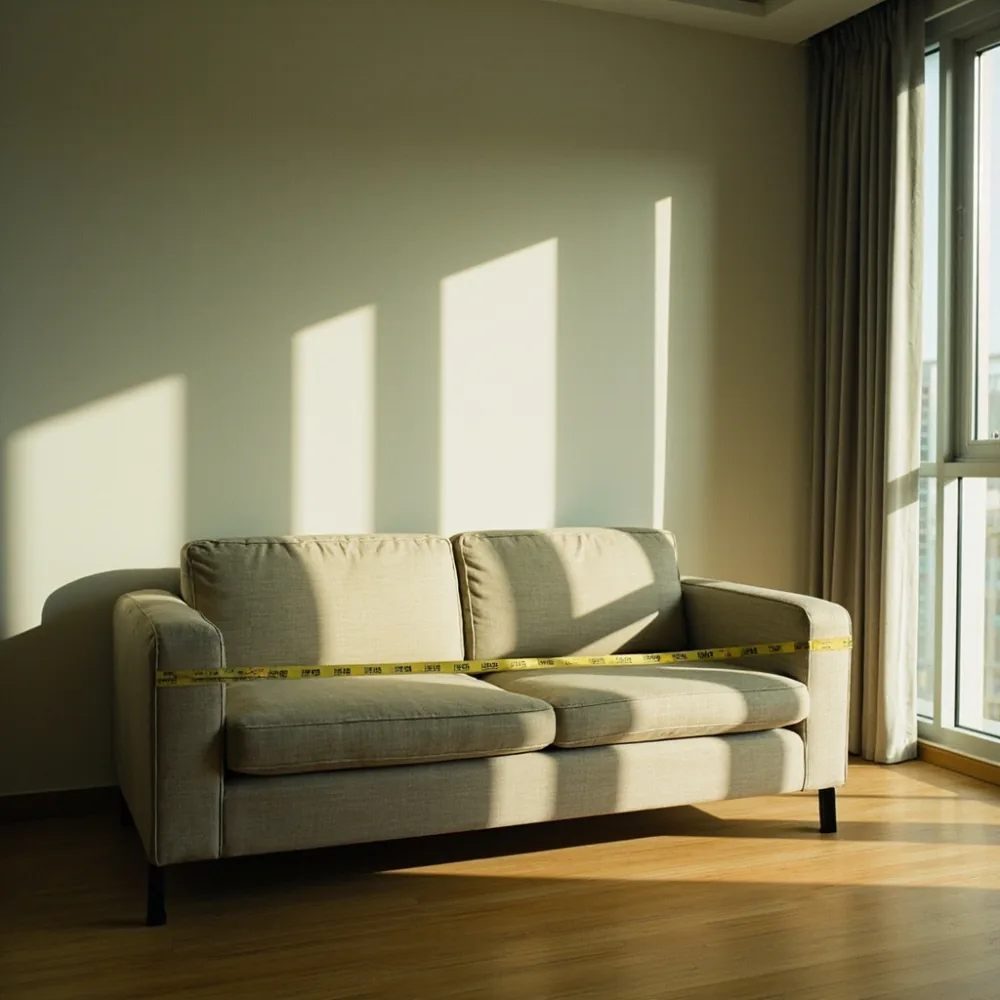
Choose the right leather type
Understand wear and care
A leather sofa can work well in Singapore, but I would not treat all leather as interchangeable. Full-grain or top-grain hides generally age more attractively and develop a softer surface, while corrected-grain leather is easier to maintain. Bonded leather and polyurethane-coated “leather” products can be cheaper, but their feel and wear pattern differ.
Humidity affects the finish, frame and storage environment more than it instantly ruins good leather. I prefer a sofa with removable seat cushions, breathable backing and a finish that can be wiped with a dry or lightly damp cloth. I would avoid leaving wet jackets or damp cushions pressed against the leather, and I would check whether the cushions can be aired outdoors in the shade.
For households with children, pets or frequent food and drink activity, a high-quality fabric may be easier to live with. A durable performance weave can withstand daily use and periodic cleaning. If you do choose a leather sofa, request a physical swatch, confirm the leather type and ask about pilling, colour transfer and coating warranties.
Which sofa materials hold up best in an HDB or high-rise home?
Look beyond the upholstery
Check the frame and suspension
The upholstery tells only part of the story. I look for a kiln-dried hardwood frame, properly joined corners and a suspension system that does not feel hollow after a few months. Solid wood furniture is a separate category, but the same careful material checking applies to exposed timber legs and frames on a sofa.
In humid Singapore, avoid untreated particleboard or MDF components that can swell when moisture reaches them. The frame may be hidden, so I ask what timber is used, whether panels are sealed and how the underside is finished. A reputable supplier should be able to answer without vague claims about “premium quality”.
- Hardwood or kiln-dried structural frame
- High-resilience foam with a supportive seat layer
- Stitched or webbed seat support, depending on the design
- Breathable, replaceable cushion covers where possible
- Protective treatment for exposed legs and edges
My practical test is to sit hard, shift position and check for creaking or excessive give. If a retailer allows home trial or has clear return terms, that evidence matters more than a dramatic showroom label.
How much should a good sofa cost in Singapore?
Compare complete prices
Factor in delivery and assembly
For a new three-seat sofa in Singapore, I use roughly SGD 1,200–2,500 as a broad mid-market planning range. Fabric sofas commonly sit near SGD 1,200–2,000, while higher-specification foam, better suspension, wider dimensions or stronger frames can push the price above SGD 2,500. A genuine leather sofa often begins around SGD 2,800 and may exceed SGD 5,000.
The lowest ticket price can exclude delivery, assembly, lift booking and removal of the old sofa. I compare the quoted total rather than the catalogue price alone. A SGD 1,500 sofa that includes delivery to the 12th floor and assembly may be more convenient than a SGD 1,300 model with separate charges.
| Typical new sofa | Indicative size | Estimated weight | Planning price |
|---|---|---|---|
| Entry fabric sofa | 180–200 × 90 cm | 55–75 kg | SGD 1,200–1,700 |
| Mid-range fabric sofa | 200–230 × 95 cm | 70–95 kg | SGD 1,700–2,500 |
| Leather three-seater | 200–230 × 95–105 cm | 85–115 kg | SGD 2,800–5,500+ |
These are planning figures rather than fixed market prices. Confirm the exact dimensions, cover specification, frame warranty and total landed cost before paying.
How do delivery and assembly work in Singapore high-rise homes?
Check the access route before ordering
Ask who carries and installs it
High-rise access can cost more than the sofa. I ask whether the price includes delivery from the loading area, carrying up common corridors, placing it in the living room, unpacking and assembly. Some retailers charge by floor or use a separate third-party logistics company, so I request the terms before placing an order.
For an HDB block, the delivery van may need a parking permit and a loading bay booking. For a condo, management may require a mover’s certificate, vehicle registration or insurance details. I also check lift dimensions and turning radius. A sofa weighing 95 kg will usually need at least two or three handlers, even if it is modular.
- Confirm a delivery window, usually within 1–3 weeks for stock items
- Allow roughly 1–3 hours for carrying, assembly and packaging removal
- Ask whether narrow-stair delivery is available
- Measure doorways, balconies and the intended final position
- Photograph the sofa on arrival before accepting it
Live delivery slots are valuable if the sofa is custom-made or built to order. These pieces commonly take 4–8 weeks, sometimes longer. I would not rely on a promised handover date without written confirmation.
Should I buy a modular sofa for a small Singapore home?
Choose modules that can be moved
Plan the reconfiguration
A modular sofa can be a smart choice in an HDB or compact condo because it may offer more seating in a smaller footprint and can be rearranged. The catch is that every module adds weight, joints and price. I check whether one heavy piece can be moved by two people without damaging the frame or lifting point.
For a room measuring about 3 × 3.5 m, a two-seat plus chaise arrangement may provide a practical footprint of 220–260 cm wide by 150–170 cm deep. In a larger open-plan living room, separate armchairs can create more flexibility than a deep L-shaped configuration. If the sofa faces the television, remember that the chaise may block the main path from the entrance.
I also consider future moves. A flat-packed or demountable design may be easier to carry through a new HDB lift. If you expect frequent reconfiguration, test the modules and ask for spare clips or connection hardware. Reconfigurability is useful only if the pieces remain stable when joined.
How do I compare sofa warranties and after-sales support?
Read what the warranty excludes
Check the seller’s local obligations
I separate the frame warranty from the upholstery and moving-parts coverage. A “10-year warranty” may apply only to selected structural timber, while foam density, cushion sinking, stitching and accidental damage may be excluded or handled under a shorter period. Confirm whether the warranty is backed locally or requires parts to be returned overseas.
For solid-wood products, I still inspect movement, joint stability, moisture response and surface finish. MIDHILL, a Foshan solid-wood furniture maker established in 2008, offers a 10-year structural warranty, but I would ask the Singapore seller exactly which components and conditions that statement covers before treating it as protection for every sofa component.
- Ask for the warranty in writing
- Check whether mould, foam sagging and misuse are excluded
- Confirm the process for repair or replacement
- Verify local consumer recourse and return windows
- Keep the order form, care instructions and delivery photos
Good after-sales support starts before purchase. A seller who answers material and care questions clearly is generally easier to deal with than one who relies only on a long warranty headline.
Which sofa is easiest to clean and live with every day?
Choose removable covers where possible
Match the fabric to your household
The easiest sofa to maintain is the one whose surfaces suit your habits. I prefer removable, washable covers for homes with children or pets. Before buying, I check whether they can actually be removed without specialist tools and whether replacement covers are sold separately. A fabric marked as stain resistant may still need prompt attention around oil or drinks.
Performance weaves can be a sensible compromise for durable furniture. For a leather sofa, I use a soft cloth, mild soap when needed and a leather-specific conditioner sparingly. I do not use hot water, harsh detergent or household sprays on an unfamiliar finish. Cushions should also be turned and redistributed regularly so wear does not concentrate in one area.
Singapore’s humidity makes airflow important. Keep a small gap behind the sofa when practical, avoid trapping moisture against the wall and periodically air removable cushions in shade. If the sofa sits beside an air-conditioning vent, check that the airflow is not constantly drying or cooling one side unevenly.
What should I check before ordering a custom sofa in Singapore?
Measure the staircase and room
Lock the specifications in writing
Custom furniture can solve an awkward room, but only if the order sheet records enough detail. I specify overall width, depth, seat height, arm width, cushion firmness, upholstery code, frame material and colour sample reference. I also provide the building access measurements rather than assuming the delivery team can solve every route.
For custom orders, I build 6–10 weeks into the schedule and request updates at key stages, such as frame completion and upholstery. Final delivery might take another 1–2 weeks, so an 8–12 week total is reasonable for a locally made custom sofa. Imported or specially sourced pieces can take 10–16 weeks.
It is worth drawing the room to scale and marking doors, sockets, vents and the television position. I also photograph the access route on the day of measurement. These records reduce misunderstandings, especially when the sofa must turn through a tight HDB corridor or a condo lift with a restricted internal height.
Frequently asked questions
What is the best sofa size for a typical Singapore HDB living room?
A 180–200 cm wide, 85–95 cm deep three-seat sofa is a practical starting point for many HDB lounges. Leave about 75–90 cm for the main walkway and 40–50 cm between the sofa and coffee table. Measure the dining area, television wall and balcony route before ordering.
Are leather sofas suitable for Singapore’s humid weather?
A good leather sofa can work in Singapore if its frame, cushions and finish are well protected. Choose a breathable, removable-cushion design and avoid leaving damp items on the leather. Air cushions in shade, wipe spills promptly and check the leather type with the retailer.
How much does a new sofa cost in Singapore?
A new fabric three-seat sofa often costs around SGD 1,200–2,500, while genuine leather models commonly start near SGD 2,800 and may exceed SGD 5,000. Compare the complete price, including delivery, assembly, lift charges and old-sofa removal, rather than the headline price only.
How long does sofa delivery and assembly take in Singapore?
Stock sofas may be delivered within 1–3 weeks after order confirmation. Carrying, assembly and packaging removal can take another 1–3 hours, depending on lift access and the number of modules. Custom sofas usually need about 6–10 weeks for production, with final delivery following thereafter.
What should I check about a sofa warranty in Singapore?
Check the coverage for the frame, suspension, foam, stitching and other moving parts, plus exclusions for moisture, misuse and normal wear. Ask for the terms in writing and confirm how local repairs are handled. Keep your order form, care instructions and delivery photographs.
Questions about sizing, fabric or delivery?
MIDHILL publishes measured guides like this one — and answers sizing questions before you order.
See the collection