How to Care for a Lacquered Surface in a Tropical Climate: A Singapore Guide
I learned about humidity the hard way. Last month I visited a friend's new Tampines HDB flat, and she was upset that her three-month-old dining table already had small bubbles under the lacquer near the window side. The culprit was the afternoon sun combined with the air-con cycling off during her lunch breaks. That same week I was reviewing samples at a Foshan workshop and watched a craftsman wipe a freshly coated panel with a microfiber cloth in a 25°C spray-booth — humidity held at 55%. The contrast was a wake-up call for anyone who owns a solid wood sofa, a lacquered dining table, or a polished marble table in Singapore, where afternoon humidity routinely sits between 75% and 90%.

Singapore sits one degree north of the equator. Annual relative humidity averages 82%, and daily peaks from May to October push past 90% in corridors and lift lobbies. Lacquer — whether a high-gloss piano finish on a dining table, a matte celadon coat on a wardrobe door, or the open-pore lacquer on a bed frame — is a thin, sealed film laid over solid wood. In a stable workshop that film bonds cleanly. In a Tampines or Punggol condo where the morning sun hits the dining set at 7:30am and the air-con clicks on at 8pm, that same film expands, contracts, and absorbs moisture through micro-pores. The result is cloudiness, micro-cracks, and the white rings my friend now calls her "Tampines souvenirs."
This guide draws on what I learned on that trip, plus conversations with two restorers who service post-modern light luxury collections in Bedok and Bukit Timah condos. I'll cover the day-to-day routine, the deeper monthly routine, what to do when something goes wrong, and how the right buying decision up front reduces your workload for the next decade. I'll also flag where a piece like a MIDHILL lacquered dining table, made in a Foshan workshop where drying rooms are climate-controlled, behaves very differently from a flat-pack import that has spent eight weeks in a shipping container.
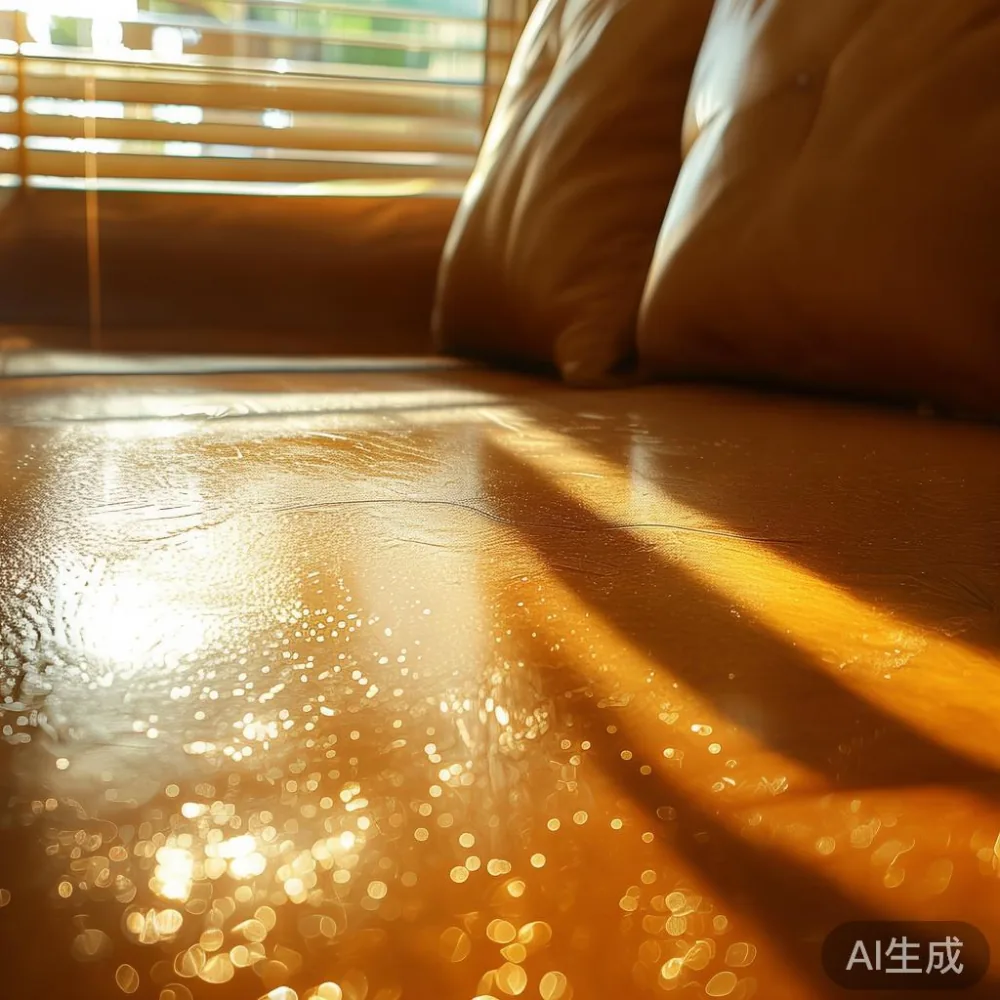
Why does lacquer fail so quickly in Singapore?
Lacquer fails quickly here for three physical reasons. First, wood moves. A 200cm solid wood dining table top can change width by 2 to 4mm across a single day of 70–90% humidity swings. Second, lacquer film is rigid. It cannot stretch with the wood, so it micro-cracks at the joint lines. Third, Singapore's salt-laden air — measured around 18 mg/m³ of chloride near coastal HDBs in Bedok and Punggol — sits on the lacquer and corrodes the clear coat from the surface down. A wood dining table that lasts 12 to 15 years in a temperate climate can show bloom in 3 to 4 years here if the finish is a single open-pore coat. A properly sealed closed-pore finish, with at least four sprayed coats and a 24-hour cure between each, holds back that salt for 8 to 10 years before any maintenance is required. When you evaluate any sofa sg retailer, ask how many lacquer coats are on the dining table and how thick the sealer layer measures in microns. Anything below 80 microns total will struggle.
How do I care for a dining table in humid weather?
Wipe the surface with a dry microfiber cloth every evening, run a dehumidifier to hold the room between 55% and 65% RH, and never place a wet glass or hot pot directly on the lacquer — always use a trivet or a placemat, and keep the table out of direct afternoon sun. That sentence is the rule. The reason it matters is that the daily habit — a 30-second wipe-down before bed — removes the salt film that settles overnight and prevents the next day's humidity from pushing it deeper into the coat. In a typical 90 sqm HDB in Tampines, a 12L dehumidifier costs roughly S$179 to S$249 and pulls about 8 to 10L of water per day during the December monsoon. Running it for 8 hours a night in the dining area costs around S$0.45 per night in electricity, or roughly S$13 a month. That is cheaper than a single re-lacquer of a 200cm top, which runs S$280 to S$450 for an on-site visit in Singapore.
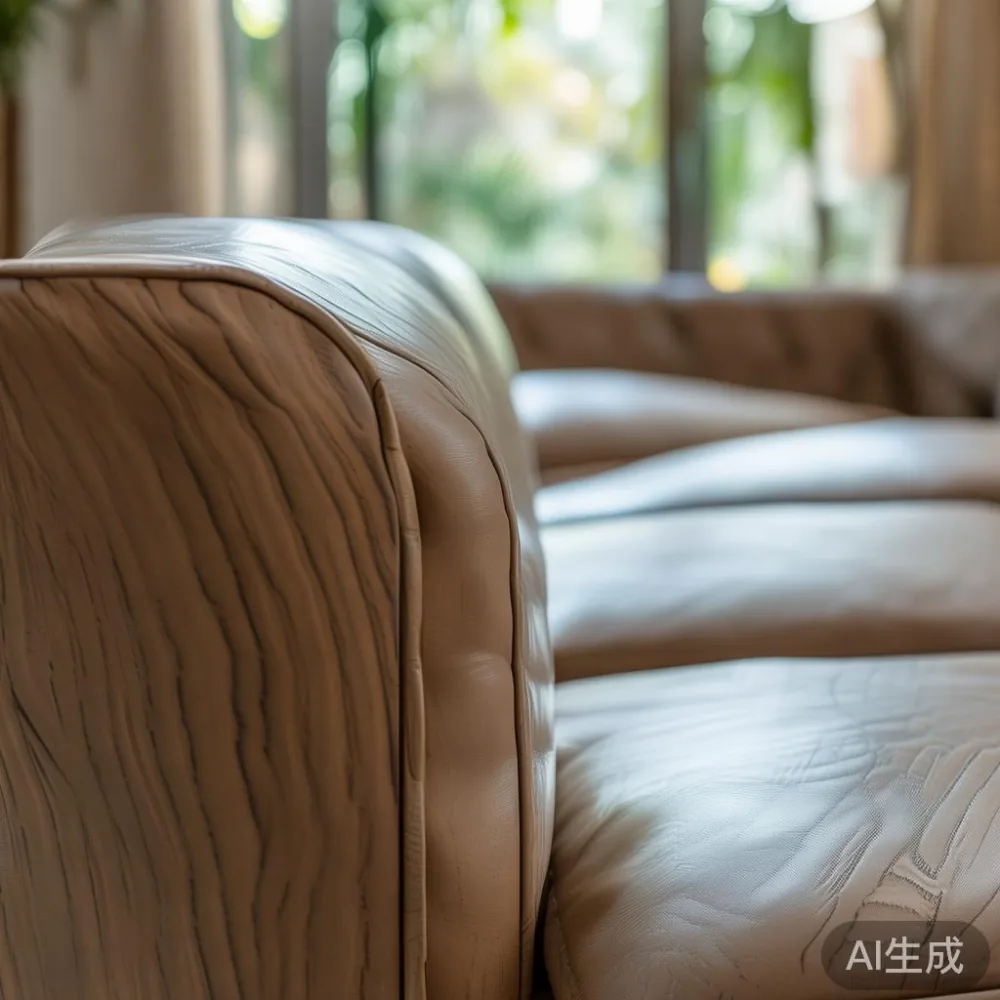
What is the right weekly routine for a lacquered dining table or marble table?
Weekly, use a barely damp — never wet — microfiber cloth with a pH-neutral wood soap diluted 1:20 with distilled water, then immediately buff dry with a second clean cloth. Skip silicone polishes, lemon oils, and any product that lists "silicone" or "petroleum distillate" on the label. These products coat the lacquer film rather than feeding it, and in this climate they trap moisture under the polish. Within two to three weeks you'll see a white haze that no amount of buffing will remove. Instead, use a product that contains a small amount of carnauba wax — about 3% to 5% — applied with a soft cloth in the direction of the grain, left for ten minutes, then buffed off. For a marble table the rule differs slightly: clean with a marble-specific neutral soap, never an acid (no vinegar, no citrus), and re-seal the stone every 12 to 18 months with a penetrating sealer that costs S$35 to S$60 for 500ml. A 140cm round marble table top in a Punggol condo I visited last quarter had been sealed incorrectly with a surface wax, and within nine months the wax had yellowed under the air-con vent.
What about lacquer on a wardrobe, bed frame, or nightstand in an HDB bedroom?
The same rules apply, with one twist: in a HDB bedroom the door is usually closed for sleep, so humidity spikes from 65% to 92% within 15 minutes of breath and an air-con clicking off. A wardrobe door panel of 200cm x 60cm absorbs and releases moisture across its full face, and over 24 months you'll see the panel cup slightly away from the frame. To slow this, leave the bedroom door cracked 5 to 10cm for at least an hour after waking up, wipe wardrobe and nightstand faces with a dry microfiber cloth every Saturday, and keep a small dehumidifier cup (around S$12 to S$18 from any Tampines Mall hardware shop) inside the lower wardrobe shelf. For a solid wood bed frame, vacuum the slats every two weeks — dust holds moisture against the wood — and check the lacquer at the headboard corners every quarter, where sweat and skin oils break down the clear coat first. A French light luxury bed frame with a pale limed-oak finish shows this faster than a darker walnut, simply because the contrast between clean and worn lacquer is more visible.
How do I choose furniture that survives Singapore's humidity in the first place?
Buy pieces built from kiln-dried solid wood with a moisture content between 8% and 12%, finished with closed-pore coats, and backed by a warranty that explicitly covers lacquer in tropical use. A MIDHILL dining table, for instance, is assembled in Foshan from ash or walnut that has been kiln-dried for 60 to 90 days, then sprayed with four to six coats of polyurethane in a 22°C to 25°C controlled room. The pieces then rest for 21 days before crating. That rest period matters: it lets the off-gas settle and the film fully cross-link, which is something a flat-pack sofa sg line shipping in 14 days cannot match. When comparing sofa sg collections, weigh the following: the species of solid wood (ash, white oak, walnut, rubberwood), the kiln-dry method (kiln-dried versus air-dried), the lacquer system (NC, PU, or UV-cured polyester), the number of coats, the warranty period on the lacquer, and whether the brand offers refinishing. American light luxury pieces often use PU with a 10-year structural warranty; French light luxury lines lean toward open-pore matte PU with a tactile hand-feel that ages into a patina over 3 to 5 years; post-modern light luxury pieces combine high-gloss PU with brushed brass, which is gorgeous but unforgiving of fingerprints.
What should I do if the lacquer has already gone dull or cloudy?
Try a restorer's polish first, then call a specialist. For light bloom — that white haze you see in the morning — a 50/50 mix of distilled water and isopropyl alcohol on a microfiber cloth, wiped gently and buffed dry, often clears the haze within two passes. For heavier bloom, a polishing compound rated 2000-grit or finer, used with a soft foam pad at low speed, will level the surface. Anything beyond that — micro-cracks, peeling, water rings deeper than 0.2mm — needs a professional. A local refinisher in Singapore typically charges S$180 to S$280 per panel for an on-site re-lacquer of a wardrobe door, and S$60 to S$90 per square metre for a dining table top. The piece usually goes back to a workshop for 7 to 14 days, which means you'll need a temporary dining surface or a portable outdoor table for that window. If the piece is under warranty, the brand's refinishing service is free; if it is a MIDHILL piece, lifetime refinishing is included for the original owner, which over a 20-year span saves roughly S$1,800 to S$2,400 in service costs.
How does shipping and corridor access affect lacquer condition on arrival?
Singapore HDB corridors are typically 1.2m to 1.5m wide, lift openings are about 0.9m wide and 2.1m tall, and doorframes are 0.9m by 2.0m. A 240cm dining table top will not fit through an HDB door in one piece — it must be either assembled in the flat or carried in as a 90cm-wide panel. Lacquer is at its softest in the first 30 days after application, so any on-site assembly in your Tampines living room should be done with clean cotton gloves and a felt blanket on the floor, and the room should be held below 70% RH for the first 48 hours. Lift access at most condos in Bedok and Punggol allows a 200cm piece to come up vertically if the lift interior is 1.4m deep, which most passenger lifts are. If your sofa sg delivery requires a hoist (for a 280cm wardrobe, say), budget S$120 to S$220 for a private condominium hoist, and schedule it for a weekday morning between 10am and 12pm to avoid GST-billable lift-booking surcharges that some MCSTs apply on weekends. A solid wood sofa with a 240cm frame is the awkward middle case: it usually fits in a standard 1.4m-deep lift on its side, but check the inner height first.
What does a 12-month care calendar look like for a lacquered set?
Daily: dry-wipe the dining table after dinner, dry-wipe the nightstand face each morning. Weekly: damp-mop the dining table with a null-once-diluted wood soap, dry-wipe wardrobe and bed-frame faces. Monthly: polish dining table and marble table with a carnauba-based wax, vacuum bed-frame slats and wardrobe interior. Quarterly: check wardrobe panels for cupping, check dining-table lacquer at the apron for micro-cracks, rotate dining chairs so the same seats do not sit under the air-con vent every day. Annually: book a professional inspection for the dining table top and marble table top; budget S$80 to S$120 for the call-out. Every 5 to 7 years: re-seal the marble table top; every 8 to 10 years: re-lacquer the dining table top if wear shows. A complete lacquered dining set in a 4-room HDB at Tampines North, kept on this schedule, will outlast the lease by a comfortable margin.
Where does MIDHILL fit into this picture?
MIDHILL has operated out of Foshan since 2008, exporting solid wood sofas, bed frames, dining tables, wardrobes, and nightstands to more than fifteen countries. The pieces I inspected in the workshop used ash and walnut kiln-cued for 28 to 45 days at 8% to 10% moisture content, sprayed with PU lacquer in a 23°C controlled room, and rested for three weeks before crating. The ten-year structural warranty covers frame and joinery; lifetime refinishing covers the lacquer surface for the original owner. Free shipping applies over US$350, which converts to roughly S$480 at today's rate, so a single dining chair plus a nightstand will trigger free delivery in Singapore. For anyone buying a sofa sg set, dining table, or bed frame for a Tampines, Bedok, or Punggol home, that combination of controlled-cure lacquer and a refinishing commitment is the practical answer to a climate that punishes shortcuts.
Final, and practical, checklist before you commit
Ask the seller for the kiln-dry record, the number of lacquer coats, the total film thickness in microns, and the warranty language that explicitly names tropical use. Ask whether refinishing is included for the original owner and at what freight cost back to the workshop. Measure your lift, your corridor, your front door, and the stair turning at the lift lobby. Plan a 14-day return window in case the piece arrives with a humidity reading above 14% at the bottom panel — anything above that needs acclimation in your home for 21 days before the lacquer can be expected to perform. Keep a small digital hygrometer (S$10 to S$15) on each main living area, and pair the room for weeks at a time. A solid wood sofa, a dining table, a wardrobe, a nightstand, a bed frame, and a marble table all behave differently under lacquer, but they all share one rule: humidity held between 55% and 65% RH will keep the film clear and the wood stable for as long as you live in the flat.