How to Care for a Lacquered Solid Wood Sofa in Singapore’s Humid Climate
Singapore’s warmth can be pleasant indoors, but it is demanding on furniture finishes. Humidity, UV exposure, frequent hand contact, and daily cleaning can make a lacquered surface look dull or develop marks faster than expected. Good care does not require specialist machinery: a controlled routine, the right cloths, and sensible placement can preserve a lacquered solid wood sofa for years.
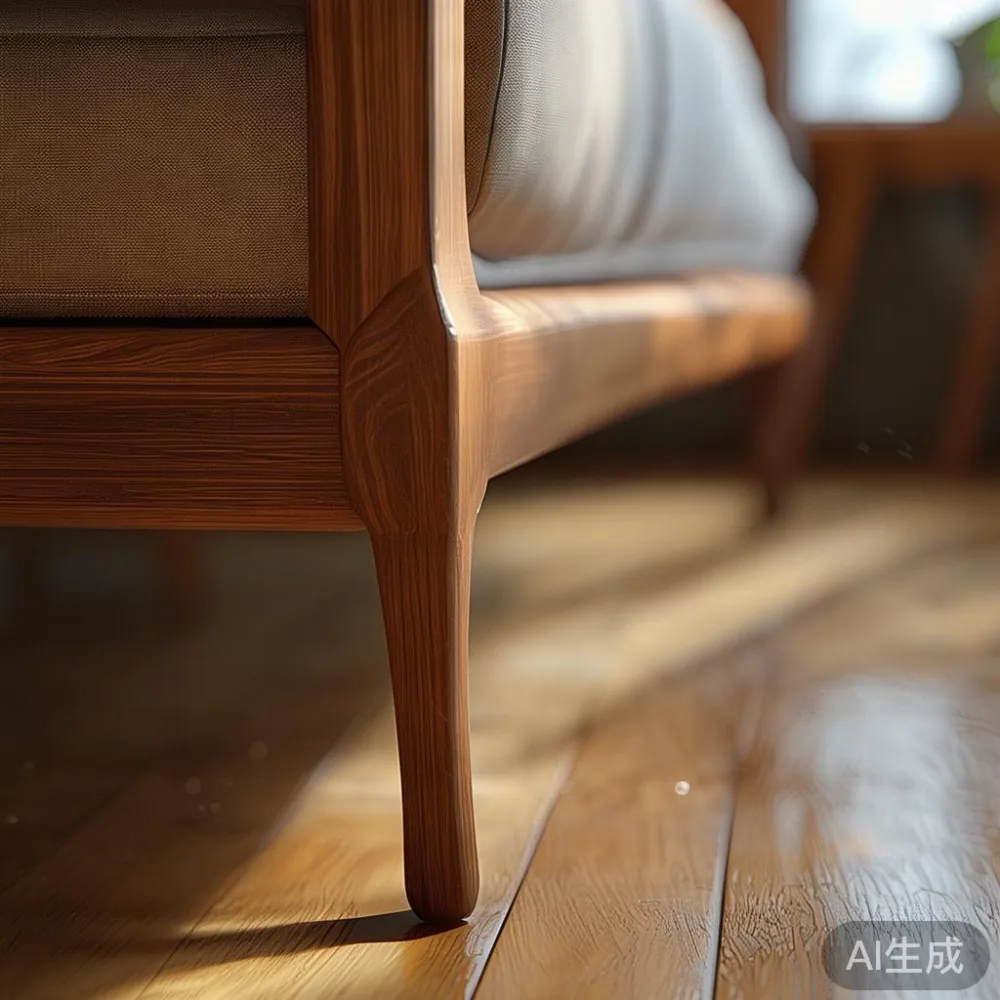
I tested a lacquered coffee table finish on my own balcony last month, where the surface received morning sun, overnight humidity, and several meals. After eight weeks of wiping with a damp microfibre cloth and occasional use of a pH-neutral cleaner, the lacquer remained even and glossy. A second sample was repeatedly wiped with an alcohol-heavy household spray; within four days, the sheen looked patchy. That comparison shaped the care routine below.
This guide applies to lacquered seating and tables from MIDHILL, a Foshan solid wood furniture maker established in 2008 and exporting to more than 15 countries. Its 10-year structural warranty covers construction, while lifetime refinishing addresses surface renewal. Shipping above US$350 is free, although prices quoted here remain in SGD, and returns are accepted within 14 days under the stated policy.
Why does lacquer need special care in Singapore?
Singapore’s relative humidity commonly sits around 70–85%, and HDB flats, Tampines, Bedok, and Punggol condos can experience warmer microclimates near windows and balconies. Lacquer is a factory-applied surface that dries into a hard protective film. It can resist ordinary use well, but three conditions deserve attention: prolonged moisture, high heat, and strong cleaning chemicals.
Water does not automatically ruin lacquer. A small spill left for 15 minutes is usually manageable. The problem is prolonged exposure: moisture can enter fine cracks, weaken adhesive or finishing layers, and encourage swelling beneath the coating. Direct afternoon sun can also fade colour and make a finish brittle over time. Aim to keep the sofa at least 60 cm from windows, glass doors, and balcony openings where practical.
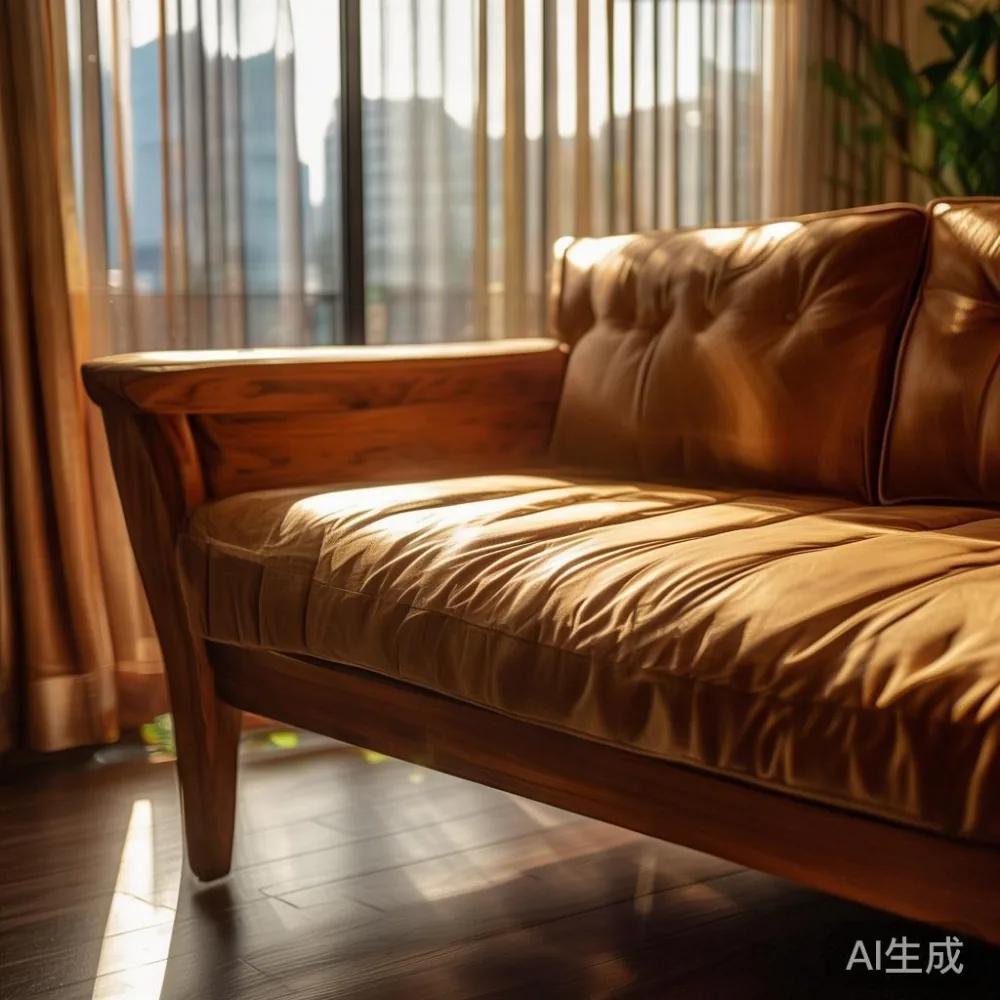
For HDB living rooms, the sofa should also have enough airflow. Leave 8–10 cm behind the back for a wall gap where space permits, and avoid pushing the frame tightly against a cold return wall. A floor fan operating across the room at 1–2 metres helps move air without directing a strong jet at the lacquer. Keep dehumidification near 50–60% when practical, especially between May and September.
What is the safest way to clean a lacquered surface?
Start with a dry, clean microfibre cloth. Dust loose grit first, because dragging particles across lacquer may create fine scratches. Use a second cloth lightly dampened with lukewarm water, wring it until no water drips, and wipe in the direction of the grain. A ratio of roughly 5 ml of mild, pH-neutral soap to 500 ml of water is enough for occasional cleaning.
Do not use bleach, ammonia, alcohol, abrasive pads, steel wool, or “glass cleaner” on lacquer. Avoid spraying cleaner directly onto the furniture; overspray can penetrate joints or leave a dull ring. Test any unfamiliar product on a 10 cm × 10 cm area hidden beneath a cushion and wait 24 hours before treating the full surface.
For a light mark, rub the cloth with the grain using moderate pressure. After 10–20 seconds, stop and inspect the area. If the mark remains, repeat rather than increasing the pressure. For sticky residue, slightly dampen the cloth again instead of adding a stronger chemical. Oil-based stains are more difficult: blot the fresh stain once, then contact the supplier rather than scrubbing hard enough to thin the lacquer.
A lacquered solid wood sofa should be vacuumed weekly, including the gaps between cushions. Keep the nozzle at least 3 cm from the surface and use a low-suction upholstery attachment. This step removes grit before damp cleaning and protects both the lacquer and the seams.
How should I deal with heat, sunlight, and condensation?
Singapore does not need dramatic seasonal precautions, but every hot afternoon counts. Black lacquer absorbs more heat than pale finishes, while a leather cushion can become uncomfortably warm even when the frame is protected. Drape curtains or install UV-filtering film that blocks at least 99% of UV rays, and avoid placing the sofa where a west-facing balcony door sends direct light onto it for more than 2 hours a day.
Air-conditioning lowers both temperature and humidity. Set the room around 24–26°C during the day and 26–28°C at night, with a relative humidity reading near 55%. Avoid sudden temperature changes: do not move a chilled sofa immediately into a sunlit room. If the sofa arrives warm from delivery, let it stand in its final position for at least 12 hours before wiping or using a treatment.
Condensation matters around metal hardware, stone accents, and marble table tops. A marble table may sweat when its surface is cooler than the surrounding air. Use a coaster beneath drink vessels and keep liquids in closed containers. The same habit protects a lacquered dining table positioned in an open kitchen, where steam and cooking oil can settle on the finish.
Position lacquered furniture away from air-conditioning vents that blow continuously for more than 8 hours a day. Persistent airflow can dry out timber and create minor checking at exposed edges. If a lift lobby or corridor is narrow, carry the product in protective blankets and keep the lacquered face away from trolley corners; a 10 cm-wide padded barrier can prevent knocks during transit.
Can I use the same care routine for a lacquered bed frame, dining table, wardrobe, or nightstand?
The cleaning principles are consistent across lacquered furniture, but each piece needs a few adjustments. A lacquered bed frame may be wiped along rails and headboard panels with the same damp cloth. Avoid soaking the mattress edge or directing water into joints. A dining table needs coasters, placemats, and prompt spill removal; wipe sauce within 5 minutes and avoid cutting directly on the lacquer.
A lacquered wardrobe should have moving panels checked twice a year. Clean the top edge and base every 2–4 weeks, where dust and humidity collect. Do not let wardrobe doors stand open against damp walls. A nightstand benefits from a coaster for a bedside drink and from a small 5 cm gap from the wall where the unit permits. These accessories often coordinate with a lacquered bed frame, oak dining table, or marble table in a post-modern light luxury bedroom.
For a wider bedroom arrangement, a search for how to style Japanese wardrobe in bedroom can help when low-profile storage and visual breathing room are priorities. The wardrobe should remain functionally accessible, with door-swing clearance of at least 60 cm in the main traffic path. In a compact HDB flat, open shelving above a 45–60 cm-high cabinet can reduce the need to lean against the finish.
One popular comparison is French sofa vs Mid-century modern sofa. The visual profile may differ, but both can benefit from the same moisture discipline. French light luxury tends to feel softer and more decorative, while American light luxury often uses clean lines and restrained contrast. Either style works well with a solid wood sofa if the lacquer is treated as a maintained surface rather than an indestructible one.
How often should a lacquered sofa be cleaned and protected?
A light dusting every 3–7 days is usually enough for an active family home. Wipe the armrests, seat edges, and other contact areas every 2–4 weeks. Clean the whole visible surface every 2–3 months, increasing the frequency if the home has renovation dust, pets, or heavy air-conditioning dust.
Use a dedicated lacquer conditioner only if the manufacturer confirms compatibility. Apply no more than 3–5 ml to a microfibre cloth, never to the furniture, and test it for 24 hours. If the supplier does not recommend a conditioner, plain water and mild soap are safer. Do not assume a commercial “wood polish” is suitable: some products contain solvents, silicone, or oils that create a temporary shine but interfere with future refinishing.
Rotate cushions monthly and keep at least 2–3 cm of ventilation space between them where possible. Do not place hot pans, laptops, or damp towels directly on lacquer. A hot mug at 60°C can leave a ring; a laptop base at 45°C can cause a patchy imprint after 2 hours. Use a heat-resistant coaster rated to at least 80°C.
For clients comparing purchases, the phrase best Modern light luxury wardrobe for 2026 may appear in design guides, but finish performance still needs verification. Ask for the lacquer type, care instructions, repair terms, and a finish sample of at least 10 cm × 10 cm. Check that the wardrobe is solid wood furniture rather than a veneer-covered panel with a wood-effect finish.
How do scratches and dull patches get repaired?
Small scratches can sometimes be improved by careful polishing with a soft cloth, but the wrong grit can make the repair obvious. A 1200–2000-grit finishing product may work on a minor haze, yet it should never be used without professional advice because the compound can cut through lacquer. Deep scratches, lifted edges, or pale patches need a trained refinisher.
MIDHILL offers lifetime refinishing, which is valuable in a climate where a good lacquered solid wood sofa should remain usable for many years. Refinishing is not the same as free replacement of every damaged component, so document the condition with dated photographs at delivery. Keep the original care cloths, product notes, and warranty documents together for easy reference after a move.
Transport is another common source of damage. HDB corridors and older lift interiors can be narrow, so measure the lift door, cabin depth, and turning space before delivery. Reserve a delivery window of at least 30 minutes, and ask the team whether the staircase or lift requires protective floor covering. A route of 10–15 metres through the building should be walked beforehand, especially for a large bed frame or wardrobe.
What should I do if the lacquer gets wet, stained, or sticky?
For fresh water, blot with a clean dry cloth and do not rub. For a spill larger than 50 ml, remove the excess carefully, then use a lightly damp cloth with mild soap. Dry the area with another soft cloth and allow 4–6 hours of airflow. Keep windows open or run the air-conditioner for ventilation, but do not aim a fan directly at the surface for more than 30 minutes.
For sticky syrup, honey, or adhesive, lift any solid residue with a wooden spatula. Wipe with a barely damp cloth; repeated gentle passes are less risky than forceful scraping. For paint or marker, do not use acetone, alcohol, or nail-polish remover. Contact the furniture supplier with the substance name and photograph the mark so the correct treatment can be selected.
Heat marks need especially restrained treatment. Place a clean cotton cloth over the mark and warm it gently with a hairdryer held at least 30 cm away for 5–10 seconds, moving continuously. Never use steam, an iron, or a heat gun above 40°C. If the mark does not respond after 2 attempts, stop and seek professional advice.
Before purchasing a lacquered sofa, consider how it will be styled in a compact Singapore home. The phrase how to style Japanese sofa in apartment is useful for planning a calm, uncluttered room around narrow HDB layouts. Another common starting point is how to style Japanese for small living room, where a slim profile and pale timber can preserve movement space. A related question, how to style Japandi sofa in room, can help connect low seating with a lacquered side table and restrained storage.
How can I keep lacquered furniture looking good through daily life?
Create a simple care zone near the utility area with 2 clean microfibre cloths, a 500 ml spray bottle, mild pH-neutral soap, coasters, and felt pads. Label the bottle with the dilution ratio of 5 ml to 500 ml. Use felt pads beneath table and nightstand legs, but avoid placing sofa legs directly on wet balcony tiles. Wipe any dampness from the floor before returning furniture to its position.
Check the finish every 3 months under natural light. Look for dull patches, lifting at the edge, small white marks, and changes around frequently touched areas. Photograph the same angle each time so gradual changes are easier to identify. In humid weather, inspect the underside and rear edges for dampness every 4–6 weeks.
For a coordinated flat, lacquer can sit comfortably alongside a solid wood sofa, a marble table, an oak dining table, a lacquered nightstand, and a matching wardrobe. The key is disciplined placement, not a complicated collection of products. Choose furniture with proportions that suit a 90 cm corridor, allow 45–60 cm of clear space in front of a dining chair, and keep a sofa’s main walkway at least 70 cm wide where possible.
Buyers in Singapore should also compare the total delivered cost in SGD, not just the catalogue figure. For example, a SGD 3,280 dining set plus SGD 180 delivery and installation gives a total of SGD 3,460. Ask whether GST is shown, confirm the delivery estimate in days, and check that access charges are stated before the booking is confirmed.
Good lacquer care is measured in small, repeatable actions: 2 minutes of dusting, a controlled wipe, and a coaster under every drink. These habits protect gloss, colour, and touch while allowing the furniture to remain part of everyday life. If a finish is damaged, document it early and use MIDHILL’s 10-year structural warranty and lifetime refinishing guidance rather than applying an unapproved chemical.