How to Care for Lacquered Surfaces in a Tropical Climate: A Singapore Owner's Guide
I learned this the hard way last month when I visited a friend's resale flat in Punggol. She had bought a glossy white solid wood dining table about eighteen months earlier, and along the edge facing the kitchen window, the lacquer had begun to cloud into a faint milky haze. The culprit was not bad craftsmanship — it was the daily combination of afternoon sun pouring through the un-tinted glass, cooking steam from the stove 1.2 metres away, and the 32°C humidity that never really leaves a Singapore home. We spent twenty minutes with a microfibre cloth and a bottle of neutral pH cleaner, and the haze lifted, but the conversation stuck with me. If a single careless stretch of window could do that in a year and a half, what was it doing to the rest of her solid wood sofa frame, bed frame, wardrobe, and nightstand? That is the question this guide answers, written specifically for owners of lacquered pieces in HDB flats and condos across Tampines, Bedok, and Punggol.
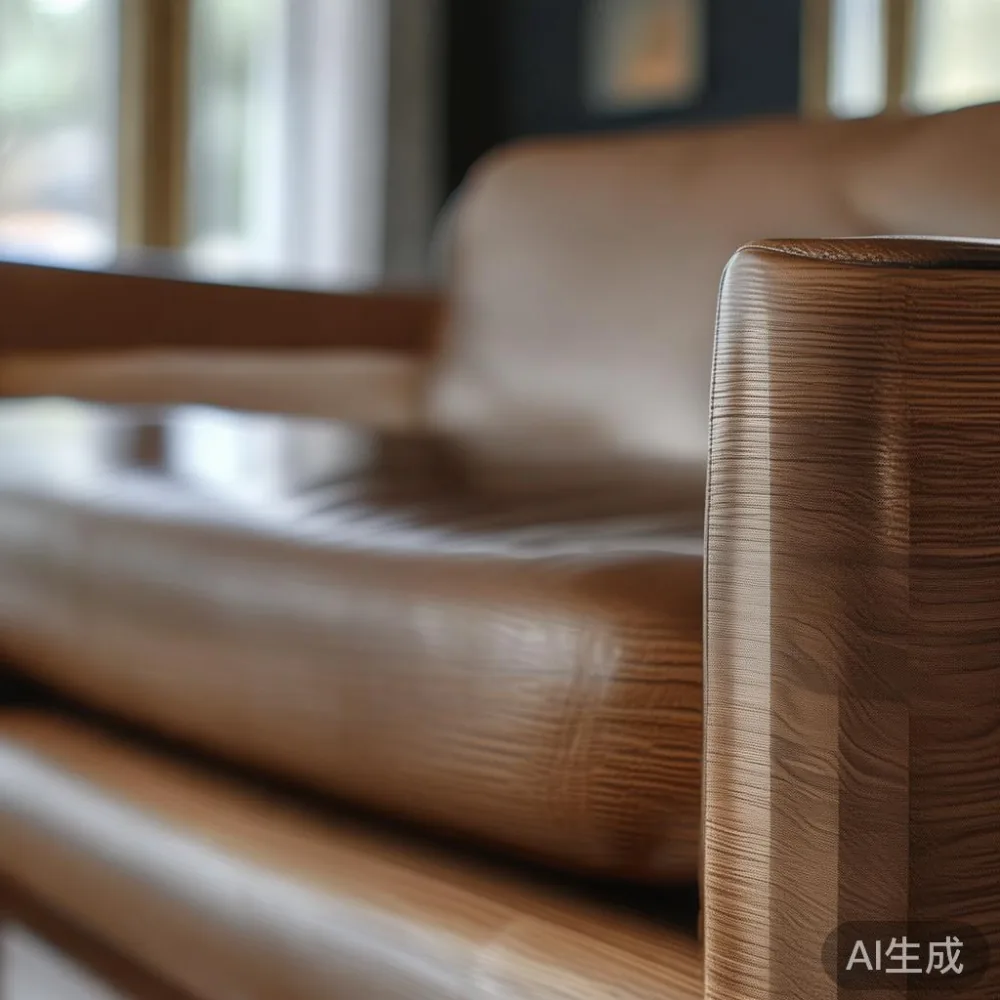
Why Singapore's Climate Is Unusually Aggressive on Lacquer
Lacquer is a thin, sealed skin. In a temperate country, it might last fifteen to twenty years before showing age. In Singapore, the same finish has to fight three forces at once: relative humidity that sits between 70% and 85% for most of the year, indoor temperatures of 27°C to 31°C that barely drop overnight, and UV radiation that is strong enough to bleach fabric within a single season. Lacquer reacts to all three. High humidity slows the cure of any fresh repair and, over time, can cause a phenomenon called blushing — that milky whitening I saw on my friend's table. Heat softens the finish microscopically, which makes dust particles embed themselves into the surface. UV breaks down the resin binders and turns a clear coat yellow within two to three years if the piece sits within 1.5 m of an unfiltered window.
For owners of a solid wood sofa, bed frame, dining table, wardrobe, nightstand, or marble table in a Singapore home, the practical answer is not to fight the climate — it is to design your care routine around it. The routines below assume a typical 90 sqm condo or a 4-room HDB flat in Tampines or Bedok, with windows that face west or north-west and air-conditioning that runs about eight hours a day.
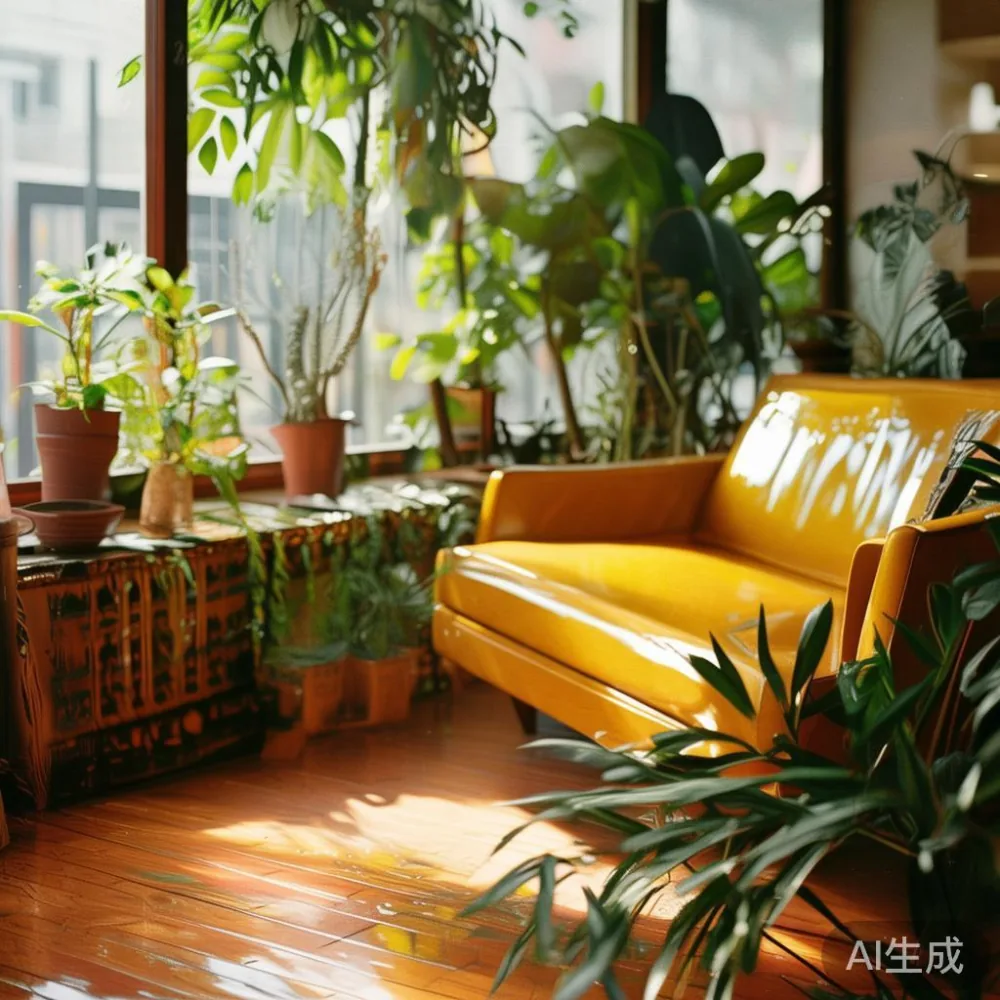
How often should I dust and wipe my lacquered furniture in Singapore?
Dust every three days, wipe every two weeks. That is the rhythm I now follow on my own pieces after watching my colleague in the MIDHILL furniture showroom in Foshan demonstrate the technique on a French light luxury sofa sample last quarter. Dust is the main enemy of gloss because airborne grit acts like very fine sandpaper under any cloth you press against the surface. In a Singapore home, a closed window still admits a measurable amount of fine particulate matter, and a polished dining table is in effect a slow collector of it.
For the quick dust pass, use a clean microfibre cloth (GSM 300 or higher) and wipe in the direction of the wood grain, not across it. Replace the cloth every six weeks because loaded cloths simply redistribute the grit. For the deeper wipe, use a damp — never wet — cloth with a pH-neutral cleaner diluted to roughly 1:20 with water. Wring the cloth until no water drips from it, then wipe, then immediately buff dry with a second cloth. The whole process on a six-seat dining table takes about twelve minutes. On a three-seater solid wood sofa frame, count on twenty minutes because of the carved aprons and legs.
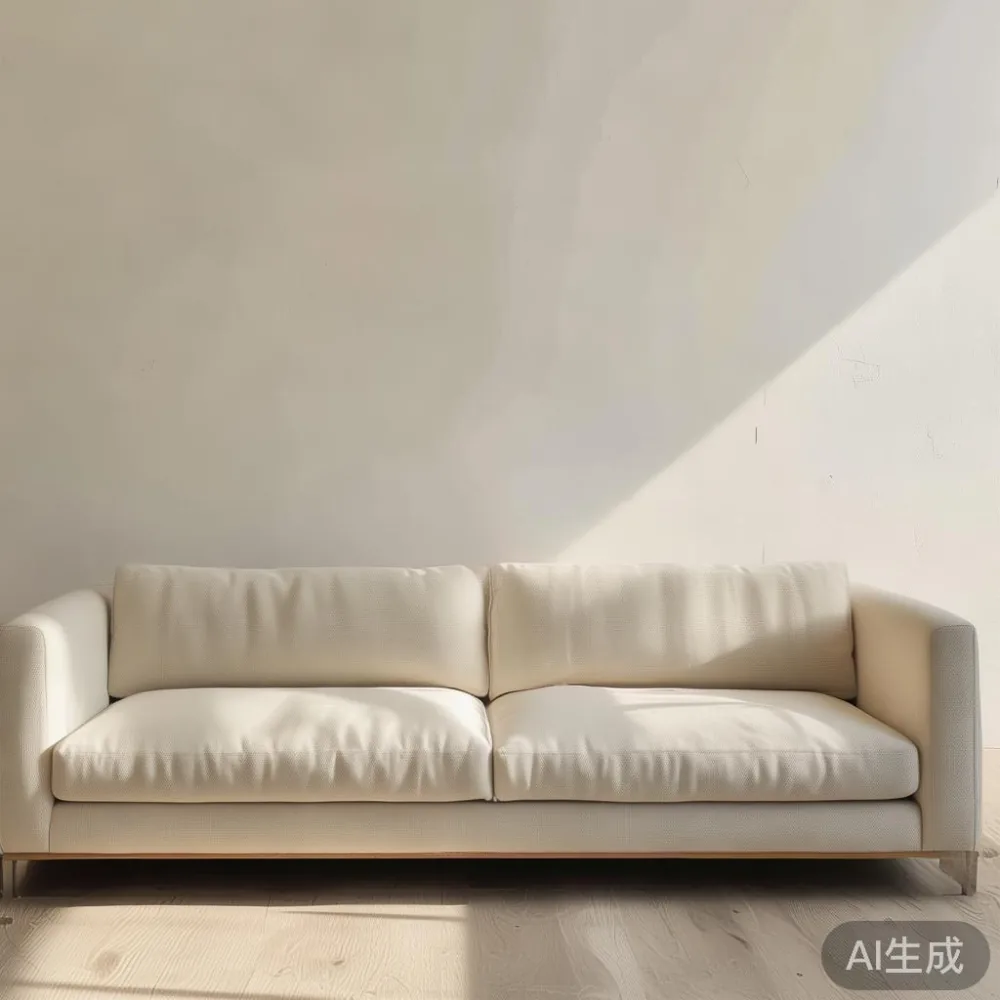
The Singapore-Specific Threats: Sun, Steam, and the Aircon Gap
Three situations account for roughly 80% of premature lacquer damage I see in local flats. The first is the west-facing window. Direct afternoon sun between 1 pm and 4 pm will yellow a clear lacquer coat in 24 months and craze it (a network of fine surface cracks) within 36 months. The fix costs almost nothing: a 3% UV-blocking film, retail SGD 18 to SGD 28 per square metre installed, cuts UV transmission by 97% and extends lacquer life by an average of four to six years. For a standard condo window of about 2.4 m x 1.5 m, the installed cost is around SGD 95 to SGD 130.
The second threat is cooking steam. If your lacquered dining table sits within 1.8 m of an open hob, expect the same blushing my friend saw, usually within twelve months. Two options exist: move the table, or install a 90 cm splash guard behind the hob (SGD 60 to SGD 120 for a tempered glass unit). The third threat is the aircon gap — that ten-minute window when the air-conditioner turns off and humidity rushes back in. During this gap, moisture condenses on any cooler surface, including a lacquered tabletop. If you can, run a small dehumidifier (a 12-litre desiccant unit costs SGD 189 to SGD 269 and covers a 4-room flat) set to 55% RH. Lacquer holds its gloss and colour best in a 45%–60% RH band.
What cleaning products should I avoid on lacquer?
Anything with silicone, ammonia, bleach, vinegar, lemon, or alcohol. That list sounds long because the Singapore retail shelves are full of multi-surface sprays that contain all of them. The chemist's reasoning is simple: silicone penetrates lacquer and is almost impossible to remove, which ruins any future refinishing; ammonia and bleach yellow clear coats within weeks; vinegar and lemon etch the surface because their pH is below 4; alcohol strips the plasticizers that keep lacquer flexible.
Stick to two products. First, a pH-neutral wood cleaner such as a diluted mild soap flake solution (about 5 ml of soap flakes per litre of water). Second, a dedicated furniture wax formulated for lacquer, applied only once every nine to twelve months — no more. Over-waxing builds up a smeary film, especially in high humidity. For routine cleaning, plain water on a properly wrung cloth is genuinely enough. If you have a marble table in the same room, never let the marble cleaner drip onto the lacquered pieces nearby; most marble polishes are mildly acidic and will leave dull spots on lacquer within minutes.
How do I handle scratches, water rings, and yellowing on a lacquered solid wood piece?
Small scratches under 5 cm can usually be buffed out with a soft polishing pad and a drop of fine scratch remover (SGD 22 to SGD 35 for a 100 ml tube, available at most Tampines Mall hardware shops). Apply to the pad, not the furniture, and work in 10-second intervals. Water rings — those pale circles left by a cold glass — respond to a paste of baking soda and water left on for 60 seconds, then wiped clean and buffed. Test on a hidden spot first, because baking soda is mildly abrasive.
Yellowing is the toughest. On a piece that is two to four years old, a light hand polish with a lacquer-safe restorer (SGD 28 to SGD 45 for 200 ml) can pull back 40% to 60% of the original clarity. On a piece older than six years, you are looking at a full re-lacquer, which is why a lifetime refinishing programme from the maker is worth real money. If you bought your dining table from a Foshan workshop that offers free lifetime refinishing (you ship the top, they strip, sand, and re-lacquer, then ship back), the all-in cost including freight and GST in Singapore works out at around SGD 280 to SGD 420 per piece, which is roughly 25% of the cost of buying a new equivalent. For a high-end solid wood bed frame, expect SGD 380 to SGD 560. Given this is your sofa sg home as well as a dining and sleeping space, planning refinishing around a single shipping window saves real money.
Delivery, Corridors, and the Practical Side of Buying Lacquered Pieces in Singapore
One thing people forget when they order a lacquered piece online is the journey from the delivery lorry to the lift to the corridor. A typical HDB corridor in a Punggol BTO is 1.2 m wide; a condo service corridor can be as narrow as 1.1 m. A lacquered dining table top wider than 95 cm usually will not turn a 90° corner inside the lift lobby without being tilted vertically. Measure before you buy. For a six-seat table, a 1.6 m to 1.8 m top is comfortable in a 4-room flat only if your lift internal width is at least 1.4 m and the corridor is 1.2 m or wider.
Weight matters too. A solid rubberwood dining table for six weighs 38 kg to 52 kg; an ash wood equivalent weighs 48 kg to 64 kg. A solid wood bed frame in queen size runs 55 kg to 80 kg. A three-seater solid wood sofa frame, before upholstery, can weigh 65 kg to 95 kg. These weights are fine for any HDB floor load, but they matter for the delivery team. Two-person delivery is included by most reputable Foshan exporters; three-person delivery for items above 80 kg usually costs an extra SGD 60 to SGD 120 in Singapore. Lift-only access with no stair climb is assumed in 99% of HDB blocks, but if you live above the 30th in a Punggol or Bedok condo and the goods lift is being serviced, the surcharge is SGD 25 per floor, capped at SGD 200.
Free shipping over US$350 (roughly SGD 480 at today's rates) usually means door-to-door, including GST in Singapore, customs clearance, and a two-man team that brings the piece into the room of your choice. Delivery from Foshan to a Singapore address typically takes 18 to 28 days by sea plus 2 to 4 days for last-mile delivery, so plan around a fourteen-day return window by unboxing and inspecting immediately. If you spot a lacquer defect under the LED lights at the corridor, photograph it on the same day; most exporters will arrange a touch-up or a replacement rather than a return, because returning a 60 kg table to China is neither cheap nor kind to the finish.
How does lacquer care differ between French light luxury, Nordic, and Japanese-influenced styles?
The style you choose affects the care routine. A French light luxury sofa typically uses a high-gloss, deep-pigmented lacquer with a mirror finish. That show under a French light luxury sofa is unforgiving — fingerprints show within minutes, and any micro-scratch is visible from across a 4 m living room. Wipe weekly, buff dry, and keep the family dog two metres away during peak shedding season.
A Nordic-style piece uses a matte, low-sheen lacquer with an open-pore feel. It hides micro-scratches well, but it absorbs spills faster because the pores are not fully sealed. Blot, never wipe, and re-wax every nine months. A Japanese-influenced solid wood bed frame with a thin clear coat ages into a soft honey patina that most owners actually want. Less wiping, more oiling (a thin coat of tung oil every twelve months keeps the patina even). The European bed vs Japandi bed comparison, in lacquer terms, usually comes down to gloss level and how visible a fingerprint looks at 7 pm under your downlight. For buyers weighing a European bed vs Mid-century modern bed or a European bed vs Japandi bed, ask the showroom for a sample block finished in each style and live with them on a shelf for a week.
The decision matters because a European light luxury sofa vs Nordic sofa in a Singapore condo is not just about looks. The high-gloss French piece will demand about twenty minutes of weekly care; the Nordic piece, about eight. The French piece will keep its showroom look for six to eight years with disciplined care; the Nordic piece will keep its showroom look for ten to twelve years with the same care. Whichever you choose, the climate is the same, so the discipline is the same.
Building a Realistic Long-Term Care Plan
A care plan you can actually keep is better than a perfect one you abandon. For a typical Singapore household of three to four people in a 4-room HDB flat with two lacquered pieces (say a six-seat dining table and a solid wood sofa frame), budget roughly forty minutes per week for dusting and a quick wipe, and one full Saturday every twelve months for wax, hardware tightening, and a careful inspection of any pieces sitting within 1.5 m of a window. Set a phone reminder for the inspection — a date nine months after delivery works well, because by then the lacquer has fully hardened and any factory defects will have shown themselves.
For the household budget, set aside roughly SGD 60 to SGD 90 a year for cleaner, wax, and replacement microfibre cloths. Add SGD 25 a year to a refinishing fund so that by year six you have the SGD 280 to SGD 420 a single re-lacquer costs. That math is what separates a piece that still looks new in year twelve from one that looks tired in year six. A solid wood wardrobe and nightstand set from a maker that ships from Foshan with a 10-year structural warranty is, in lacquer terms, a twenty-year commitment if you keep to the rhythm. A marble table in the same room needs almost no lacquer care but does want a separate sealing routine every two years; never use the same cloth on both.
If you are shopping for sale light luxury furniture that will live in light luxury for apartment settings in Tampines, Bedok, or Punggol, the right questions to ask any Foshan exporter before you pay the deposit are these: what is the lacquer brand and number of coats, what is the recommended cleaner, do you offer lifetime refinishing, what is the actual shipping cost to a Singapore HDB on the 12th floor with a 1.2 m corridor, and what does the warranty cover in terms of yellowing, blushing, and cracking under tropical conditions. Get the answers in writing. The piece that arrives in a plywood crate eighteen days after you click order will be with you for a decade or more, and a clear conversation up front saves a cloudy finish later.