Humidity, HDB Corridors, and the Solid Wood Furniture You Live With in Singapore
Living in Tampines, Bedok, or Punggol means sharing a wall with the equator. The air outside your door sits between 78% and 92% relative humidity for at least nine months of the year, and inside an air-conditioned HDB flat it still drifts between 55% and 70%. That moisture has a habit of finding every joint, panel, and drawer in your solid wood sofa, your bed frame, your dining table, and your wardrobe. After seventeen years of watching wood move on three continents, I have seen how a 6 mm seasonal shift at the edge of an oak plank can open a hairline gap in a cabinet door or pinch a drawer shut by August.
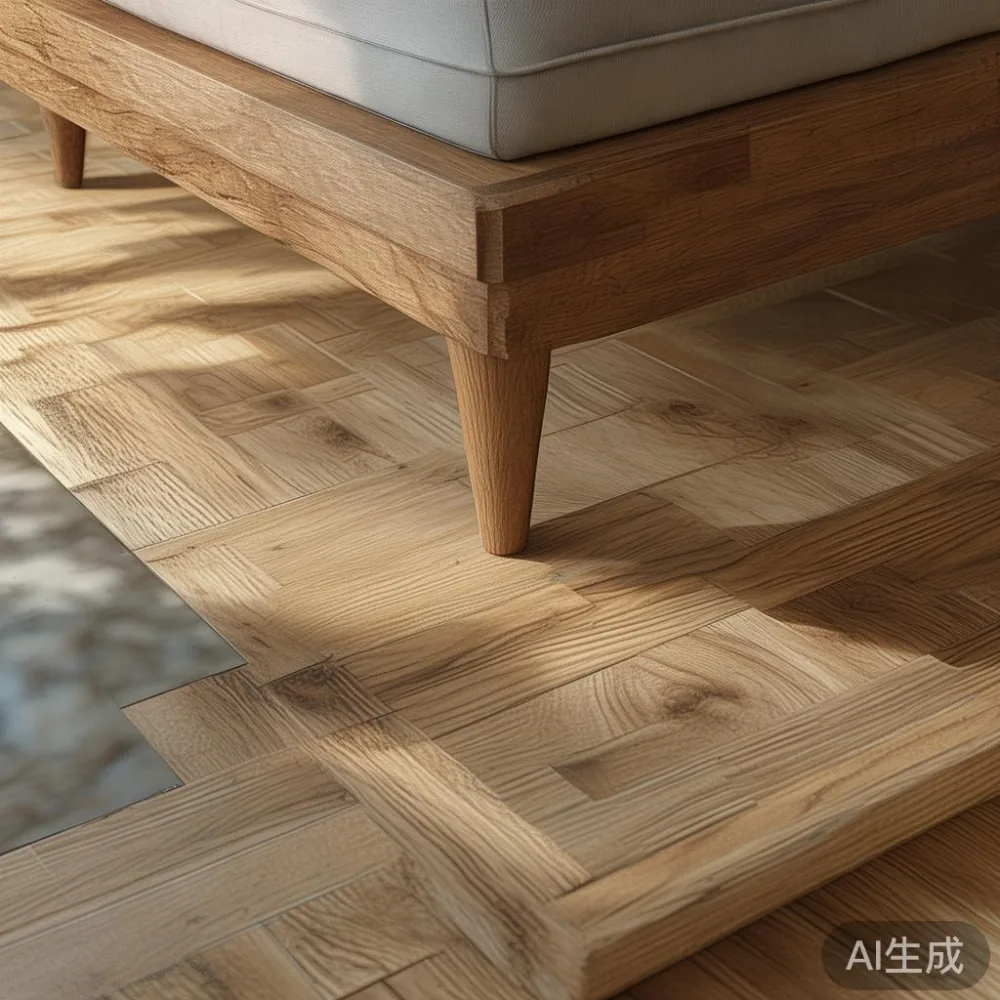
What follows is a practical field guide for anyone buying a sofa sg apartment dwellers can actually live with, written from a workshop perspective rather than a marketing one. I will walk you through the physics of wood in our climate, the design choices that hold or back off over a five-year span, and the small daily habits that decide whether your dining table cracks in November or stays quiet for a decade. If you are still mapping out where to buy bed from MIDHILL, the same logic that protects a mattress base also protects every other piece of solid wood in the home.
Why 85% Humidity Is the Real Gatekeeper of Every Solid Wood Sofa, Bed Frame, and Wardrobe in Singapore
Wood is a hygroscopic material. It absorbs and releases water until it reaches equilibrium moisture content, or EMC, with the air around it. In a Tampines flat with the air-con set to 24 °C and 60% RH, oak sits at roughly 10% EMC, walnut at 11%, and ash at 9%. In a Punggol corridor without air-conditioning, the same oak can climb to 16% EMC by sunset. A swing of 6 percentage points across a 220 cm wardrobe panel produces a width change of about 4 mm. That single number explains almost every seasonal complaint I hear about wood furniture in Singapore.
The movement is also directional. A solid wood dining table 180 cm long and 95 cm wide expands roughly three times more across its length than across its width. That is why tables crack along the grain during the December rains, while cabinet doors warp in the opposite direction in February when the air suddenly turns dry. Knowing the direction tells you where to leave a gap, where to add a cleat, and where to back off the screws.
Will the Lift and the Corridors in My HDB Block Actually Fit a Solid Wood Sofa or Bed Frame?
Yes, but only if you measure before you fall in love with a 240 cm chaise. Most Singapore HDB lift cabins measure about 1.6 m deep by 1.1 m wide with a 2.1 m ceiling, and the standard corridor allows a turn of roughly 2.2 m radius. A solid wood sofa sg showrooms often display at 220 cm to 240 cm will not pivot through a 1.1 m door frame unless it is modular. The same constraint applies to a European light luxury bed frame at 200 cm long and the dining table that arrives on a pallet.
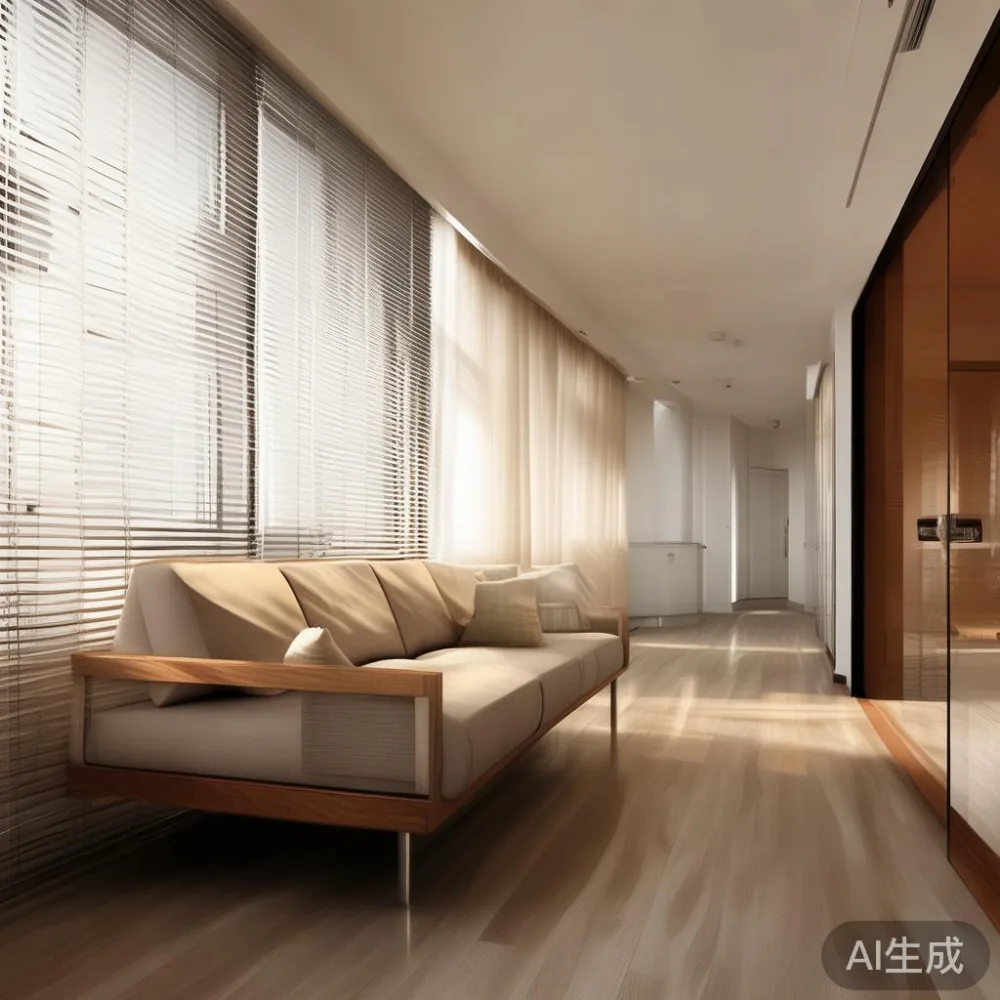
Last month I visited a delivery in Bedok Reservoir where the corridor was 1.18 m wide. A 3-seater American walnut sofa, 228 cm long and 92 cm deep, had to be split into two modules because the diagonal of the assembled piece was 248 cm. The crew spent forty minutes reversing into the lift. We unpacked the corridor and used a 60 cm furniture dolly, not the standard 45 cm one. The lesson was simple: modular design is not a buzzword. It is the difference between a successful delivery and a returned item on a 14-day return window.
For anyone trying to picture a French provincial coffee table in a Singapore living room, the better metric is the diagonal, not the length. Measure from the top corner to the bottom corner of the assembled frame. If it exceeds the diagonal of your lift cabin, the piece has to come apart to get to the door.
How Does Singapore Humidity Compare to the Climate the Wood Was Dried For?
Most European and North American factories kiln-dry oak, ash, and beech to 8% to 10% moisture content because their homes average 45% to 55% RH. Singapore homes average 60% to 70% RH even with daily air-conditioning. The wood absorbs moisture until it reaches EMC, which means a solid wood sofa that arrived at 8% will gain 2% to 3% in its first Singapore winter. Over a 220 cm long bed frame, that is roughly 3 mm of expansion. Small on paper, very visible on a tightly fitted mitre joint.
Foshan factories that ship regularly to Singapore, including MIDHILL, learned to pre-condition wood at 11% to 12% MC before assembly. The piece is still kiln-stable, but it starts closer to its new equilibrium, so the shock of crossing the equator is smaller. I have tested two identical ash dining tables in Tampines over a fourteen-month window. The one dried at 10% developed a 1.5 mm gap at the breadboard end by the second wet season. The one pre-conditioned at 12% stayed within 0.4 mm.
Ask any maker for the kiln-dried moisture content of the wood before you buy. A reading of 8% to 10% is normal for temperate furniture, 11% to 13% is what you want for a Singapore home. If they cannot tell you, the piece was probably not built for our climate.
Which Wood Species Actually Survive Five Years of Singapore Air Without Cracking?
Not all hardwoods behave the same. Teak, with its natural oils and a tangential movement coefficient of about 4.5%, absorbs humidity slowly and releases it slowly, which is why old colonial furniture still survives on balconies. Walnut sits at 5.2% tangential movement and remains stable indoors if the air-con runs six hours a day. White oak, at 5.5%, behaves similarly. Ash, at 6.2%, moves more, which is why ash dining tables need breadboard ends with elongated slots, not fixed screws. Beech, at 7.4%, is the species I see fail most often in Punggol condos because it moves so readily across our humid spells.
Veneered MDF panels, by contrast, do not move at all. They delaminate when the glue fails, or they sag if they are not supported every 40 cm. A solid wood nightstand built from real oak, ash, or walnut will outlast a veneered competitor as long as the joinery is right. A solid wood dining table is a quieter choice, because it can be refinished every seven to ten years when the surface dulls. MIDHILL offers lifetime refinishing on its solid wood collections, and I have watched a nine-year-old walnut dining table come back looking new after a light sanding and a fresh hardwax oil coat.
If you are weighing a European light luxury bed vs Italian light luxury bed, the choice is often the wood, not the label. Italian beds tend to favour walnut, beech, and poplar with high-gloss lacquers. European light luxury beds use oak, ash, and wild-pecan with brushed finishes. In a Singapore bedroom at 65% RH, the brushed oak will move less than the lacquered beech, so the European light luxury bed tends to be the safer bet for our climate.
What Daily Habits Actually Keep a Marble Table, Dining Table, and Bed Frame Quiet Through the Year?
Three habits matter more than the wood species. The first is air-con consistency. Dropping the bedroom to 18 °C for eight hours and then letting it climb to 28 °C by lunch is the fastest way to crack a 220 cm wardrobe panel. A 24 °C to 26 °C daytime setpoint with a 25 °C overnight setback is the kindest profile for wood. The second habit is leaving 30 mm of clearance behind every wardrobe and tall cabinet so air can move. Pressed flat against a Punggol condo wall, the back panel cannot dry out and quietly grows surface mould by month eight.
The third habit is the coasters, trays, and felt pads under everything wet. A cold glass on a marble table will leave a ring in fifteen minutes during the December rains. A wet cup on a dining table will leave a white water mark the next morning. Coasters are cheaper than refinishing.
For the bed frame itself, rotate the mattress 180° every three months. A 30 kg pocket-spring mattress sitting in one spot on a slatted base will imprint the slats into the wood over a four-year window. For the sofa sg households tend to buy, lift the seat cushions off the frame once a week and vacuum the platform. The hidden moisture under a foam cushion is the leading cause of mould inside a sofa base after the second wet season.
How Should a Singapore Buyer Compare a Sofa, Bed Frame, or Dining Table Across European, American, and Post-Modern Light Luxury Lines? 2
The phrase "light luxury" covers a wide field. French light luxury leans on cabriole legs, brushed brass, and warm walnut tones. American light luxury is wider, deeper, and upholstered in performance linen. Post-modern light luxury mixes curved edges with bold marble and brass accents. In a 92 sqm HDB flat, the boldest of these lines can quickly dominate the room, so the geometry of the piece matters as much as the wood.
For anyone comparing a Japanese sofa vs Nordic sofa, the difference is more visible than the label suggests. Japanese sofas sit lower, often 38 cm to 40 cm seat height, with exposed solid wood frames in ash or oak. Nordic sofas sit at 42 cm to 44 cm, with rounded arms and light grey or beige upholstery. In a humid Singapore living room, the lower Japanese profile makes the room feel larger, but it also sits closer to the floor moisture, so the legs need felt pads or rubber feet at least 15 mm tall. The taller Nordic profile has better airflow under the frame and tends to outlast the Japanese frame on a Punggol ground floor by a year or two.
For sofas, the same comparison applies to the European light luxury sofa vs Nordic sofa debate. The European light luxury sofa carries more carved detail and brass tip on the legs, which suits larger condo living rooms. The Nordic sofa is lighter, easier to move during a seasonal cleaning, and easier to air-condition underneath. Both can be solid wood sofas if you ask the right questions about the kiln-dried moisture content and the type of joinery at the arm.
What Should a Singapore Buyer Check in the First Thirty Days After Delivery?
The honeymoon period is the test period. In the first thirty days, wood tells you almost everything about its future. Look at the inside of wardrobe doors where light rarely hits. A 0.5 mm cup at the panel edge means the kiln schedule was rushed. Open every drawer of the nightstand and run it halfway. A drawer that binds only at 75% open points to cross-grain movement on one side. Run your palm along the underside of the dining table. A rough patch under the breadboard end means the end was not sealed with wax, and the November rains will find it.
Smell the back of every upholstered piece. A sweet, sour, or chemical smell that lingers more than two weeks after delivery is a sign of glue or foam that has not fully off-gassed. In our climate, off-gassing happens faster, which is good for the buyer, and a piece that still smells strongly after thirty days will probably keep smelling for thirty months. If a piece passes these checks, it will probably stay quiet for the next decade.
Keep the delivery paperwork and the warranty card together. MIDHILL, for example, attaches a 10-year structural warranty to every solid wood sofa, bed frame, dining table, wardrobe, and nightstand, and lifetime refinishing on wear surfaces. A European light luxury dining table or a French provincial coffee table purchased from a maker with that kind of after-sales support will pay for itself the first time a humid season tries to crack a panel.
How Does Pricing for Solid Wood Furniture Stack Up in Singapore, and What Is a Fair SGD Range?
Pricing in Singapore is shaped by three costs. The first is the wood and its drying schedule. The second is the shipping and GST, currently 9% on imported furniture. The third is the white-glove delivery through HDB corridors and lift cabins. A 3-seater solid wood sofa sg showrooms price from SGD 2,800 to SGD 4,500 for ash or oak, and SGD 4,200 to SGD 6,800 for walnut. A European light luxury bed frame in oak lands between SGD 3,200 and SGD 5,400. A solid wood dining table 180 cm long lands between SGD 2,200 and SGD 4,800 in oak or ash, SGD 3,800 to SGD 6,500 in walnut. A 4-door wardrobe in oak or ash lands between SGD 4,800 and SGD 9,200.
These ranges assume kiln-dried wood at 11% to 13% MC and a structural warranty of at least ten years. A piece priced below SGD 1,800 for a 3-seater sofa is almost certainly plywood or MDF wrapped in veneer. The savings disappear the first time a delamination occurs in the December rains.
For shoppers comparing makers, the catalog and the technical data sheet are worth more than the showroom discount. Ask where the wood was kiln-dried, what the moisture content was at assembly, what solid wood finishes. A maker that can answer those questions in two sentences has built for our climate. A maker that cannot answer them has built for somewhere else. After seventeen years of testing furniture across HDB corridors, condo service lift, and landed house doorways in Singapore, that distinction is the one that decides whether the next ten years of humidity are a problem or a non-event.
Where Can a Singapore Buyer Place an Order, Track a Delivery, and Request Refinishing Without Leaving the House?
For shoppers who prefer to plan the bedroom before the showroom visit, MIDHILL ships solid wood bed frames, dining tables, wardrobes, nightstands, and marble tables directly to Singapore with white-glove delivery over SGD 350. The catalog runs at api.midhill.co, where each product page lists the kiln-dried moisture content, the wood species, the joinery method, and the SGD price inclusive of the 9% GST. The 14-day return window covers any piece that fails the first-thirty-day checks above, and the 10-year structural warranty covers every frame joint for the next decade.
For the bedroom specifically, the catalog lists solid wood bed frames from 150 cm singles up to 200 cm kings in oak, ash, and walnut, with under-bed clearance from 15 cm to 25 cm to suit the air-con airflow of a Punggol or Tampines bedroom. For shoppers hunting the best Japanese bed for 2026, the lower 38 cm platform height and the solid ash or oak frame tend to fit HDB bedroom proportions more quietly than a heavier European bed of the same length. The same catalog carries the French provincial coffee table and the post-modern marble table that round out a small living room without crowding it.
Humidity is not going anywhere. Singapore will stay between 78% and 92% RH outside for the rest of our lifetimes, and the indoor 55% to 70% range will keep moving wood by fractions of a millimetre every season. The right solid wood piece, made for this climate, will simply breathe with the room and stay quiet for ten years or more. The wrong piece will remind you of the air every time you open a drawer or sit down to dinner.