How Humidity in Southeast Asia Affects Solid Wood Furniture (And What Singapore Buyers Should Look For)
I keep a small hygrometer on my workbench, and on most afternoons in Tampines it reads between 78% and 88% relative humidity. Last month I visited a friend's resale HDB flat in Bedok where a four-year-old oak dining table had begun to bow at the centre, and a sliding-door wardrobe in the master bedroom had swollen so badly the runners were grinding against the frame. Nothing was broken. The wood was simply reacting to the air, which is something very few showroom salespeople in Singapore will mention before you pay SGD 1,800 to SGD 6,000 for a solid wood sofa or a bed frame. This guide is written for shoppers in Singapore who are buying a new sofa sg, bed frame, dining table, wardrobe, nightstand, or marble table, and who want to understand what humidity really does to furniture, what to ask a seller, and how to care for pieces once they are inside your flat.
Why does humidity damage wood furniture in Singapore?
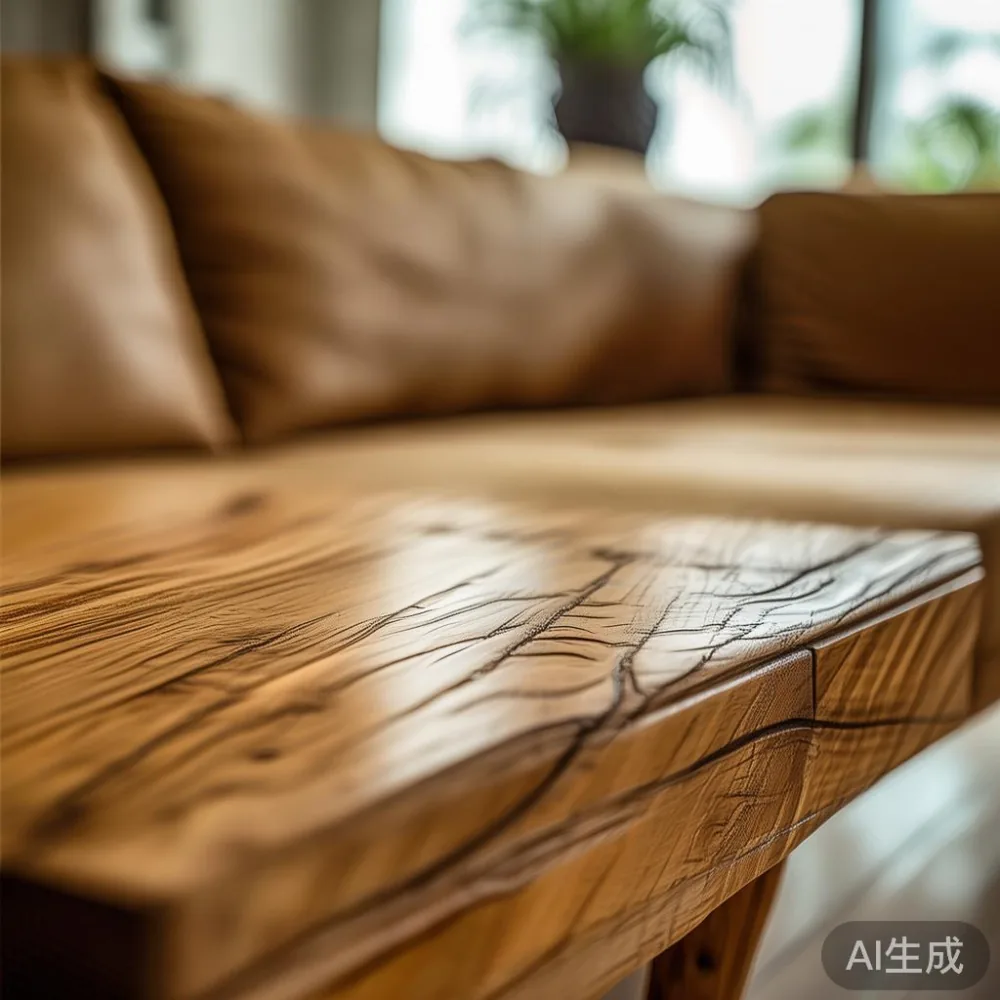
Wood is hygroscopic. It absorbs and releases moisture until it reaches equilibrium with the surrounding air, which in Singapore typically means 70% to 85% relative humidity for most of the year. When solid wood gains moisture, the cells swell and the board expands across its width; when it loses moisture, those same cells shrink. A 200 cm dining tabletop can move 6 mm to 12 mm across the grain between a wet September week and a dry February afternoon when the air-conditioner runs for ten hours a day. Over many of these cycles, joints loosen, panels cup, and veneers check at the edges.
In an HDB or condo in Punggol or Sengkang, the problem is amplified by how the apartment is used. Most flats stay sealed all day with the air-conditioner off, so humidity climbs to 80% or higher. At night the AC drops it to 55%, and the wood swings back and forth. Add a 1.2-tonne sofa sitting 30 cm from a non-insulated wall and you have a microclimate behind the backrest that can run even wetter than the rest of the room.
How humid is too humid for a solid wood sofa in Singapore?
For indoor furniture, the sweet spot is 40% to 60% relative humidity at 22°C to 26°C. Above 65% for extended periods, you will start to see mould on unfinished undersides, sticky drawers, and that faint musty smell inside wardrobes. Below 35%, joints dry out and small cracks appear along the grain. A small digital thermo-hygrometer costs about SGD 18 at any neighbourhood electronics shop and is the single most useful accessory you can buy alongside a new sofa sg.
As a practical rule, if your walls feel clammy or your windows fog in the morning, the humidity inside is already at a level where unprotected solid wood is slowly absorbing moisture. That does not mean you cannot own solid wood furniture; it means you should choose pieces that have been properly kiln-dried to 8% to 10% moisture content before they were built.
Which wood species hold up best in HDB and condo conditions?
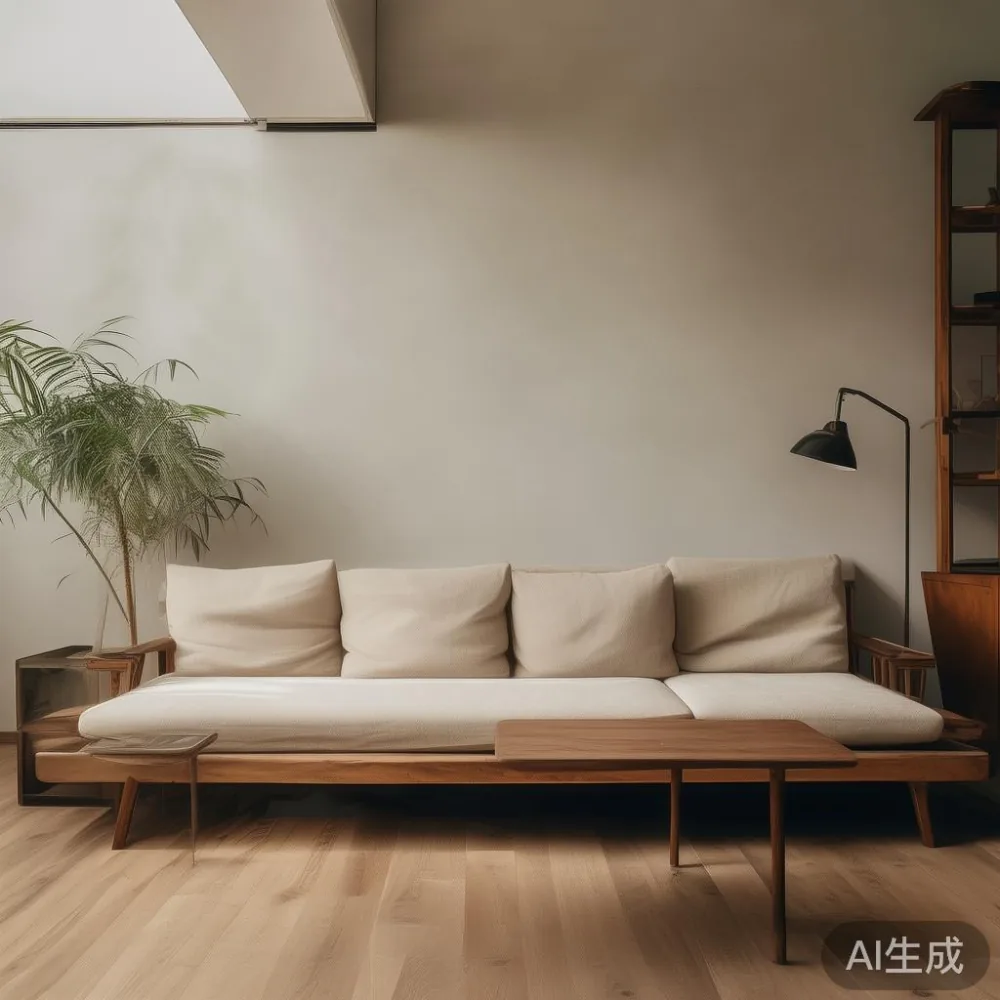
Different species behave differently. Teak and white oak are naturally dimensionally stable and tolerate Singapore humidity well, which is why you see them in older colonial shophouses that are still standing after eighty years. Rubberwood is cheaper and widely used in Malaysian and Indonesian factories, but it moves more with humidity and should always be sealed on all six sides, including the underside of a dining table or the inside back of a wardrobe. Ash is stiffer and takes a French light-luxury profile nicely, with a pale, slightly creamy tone that suits a post-modern light luxury apartment. Walnut is the most temperamental of the common choices: beautiful, but it cups and checks quickly when humidity swings.
When I toured a Foshan workshop last year, the foreman showed me how they sticker-stack 50 mm ash boards in a dehumidification room for 21 to 28 days before cutting, bringing the core moisture content down to around 9%. That step alone prevents most of the warping complaints you hear about locally assembled flat-pack furniture. MIDHILL, a Foshan maker that has shipped solid wood sofas, bed frames, dining tables, wardrobes, and nightstands to more than fifteen countries since 2008, kiln-dries its stock on the same principle, which is one reason their pieces cope with the corridor-and-lift realities of a Singapore HDB.
What size fabric sofa do I need?
For a standard Singapore HDB living room of about 18 to 22 sqm, a three-seater solid wood sofa between 200 cm and 220 cm wide, 85 cm to 95 cm deep, and 85 cm to 90 cm tall at the back will fit comfortably opposite a 55-inch television wall with 90 cm to 120 cm of walking space behind. A two-seater between 150 cm and 170 cm wide suits a 14 to 16 sqm客厅 in a one-bedroom condo or a compact three-bedder in Punggol. L-shaped chaise configurations between 240 cm and 280 cm long work in 24 to 28 sqm layouts, but always measure the lift opening and the corridor bend on your floor before ordering; most HDB passenger lifts are 110 cm to 120 cm deep with a 80 cm to 90 cm door, and the inner corridor turns at 90° in many older blocks.
Seat height should sit between 45 cm and 50 cm, seat depth between 55 cm and 60 cm, and armrest height around 60 cm to 65 cm for ergonomic comfort. Fabric weight matters too: a 320 to 420 gsm woven cover breathes better in our humidity than a thick bonded faux-leather, which tends to feel sticky after a thirty-minute MRT commute in August. An American country ash wood armchair at 75 cm wide is a useful accent piece beside the sofa and gives you a lighter visual counterweight to a darker dining table on the opposite side of the room.
How should I treat and finish solid wood furniture for Singapore weather?
Finishes are the first line of defence. A proper conversion varnish, hard wax oil, or two-component polyurethane slows moisture exchange by 60% to 80% compared with an unfinished surface. On tabletops, insist on a finish on the underside as well as the top; cupping almost always starts where the finish is missing. Drawer boxes, wardrobe backs, and the inside of nightstand cabinets should be sealed too, even if they are hidden, because those are the surfaces that grow mould first.
For daily care, wipe spills within five minutes using a dry or barely damp microfibre cloth. Never place a hot pot directly on a wooden dining table without a trivet, and never leave a wet bath towel draped over a bedroom chair. Keep furniture 25 cm to 30 cm away from air-conditioner vents so the wood does not dry unevenly, and run a dehumidifier set to 55% in the living room for four to six hours on heavy-rain days. A 12-litre dehumidifier pulls about SGD 0.40 to SGD 0.70 of electricity per day at current GST-inclusive tariffs.
What about delivery into Singapore HDB flats and condos?
Logistics are the part most online catalogues skip. A solid wood three-seater sofa in an American light-luxury silhouette can weigh 65 kg to 85 kg, and a queen-size bed frame in ash or oak often weighs 70 kg to 110 kg. Delivery through a typical HDB corridor with a 90° turn requires the back cushions to come off and the frame to be tilted vertically; if the longest piece exceeds 210 cm, confirm with the seller that the lift depth plus door width can accommodate it. MIDHILL ships Foshan-built solid wood sofas, dining tables, wardrobes, and nightstands to Singapore with insured sea freight, free delivery on orders above US$350 (about SGD 470 at today's rates), and a 14-day return window from the day the cartons reach your door.
Customs duty on imported wood furniture is 0% under the current Singapore schedule, but 9% GST applies on the landed value above the SGD 400 personal relief threshold. Ask your supplier for a delivered-duty-paid quote so the price you see is the price you pay.
Will my solid wood furniture crack or warp after one or two years?
It can, if it is poorly dried or poorly finished. A well-built solid wood sofa or bed frame from a responsible maker should remain flat and quiet for at least ten years under normal Singapore household conditions. Look for a written structural warranty of ten years or more, free refinishing service for life (sanding, re-sealing, and re-toning), and kiln-dried stock with documented moisture content. Ask the seller what species of wood is used, where it was sourced, and whether the back panel of any wardrobe is solid, plywood, or MDF; the last option is the most vulnerable to Singapore humidity.
If a small crack does appear at the end of a tabletop after a particularly dry air-conditioning season, do not panic. Rub a thin coat of furniture wax into the line, then raise the room humidity to 55% for a week. In most cases the wood will close the crack on its own. For deeper checks, professional refinishing is straightforward and usually costs SGD 120 to SGD 280 per dining table, far less than replacing the piece.
What should Singapore buyers check before paying for a sofa sg or dining table?
Run through this short checklist before you confirm the order. First, confirm the species, the moisture content at the time of manufacture, and the finish on all six sides. Second, measure your lift, your corridor, and your doorway, then compare with the packed dimensions and the packed weight. Third, ask whether the cushions are removable and washable, because in our climate you will want to air them every two to three weeks. Fourth, confirm the warranty in writing, including who pays return shipping if a defect appears in year three or year seven. Fifth, request a small sample of the fabric or wood finish; a 5 cm by 5 cm swatch taped to your wall for 48 hours will tell you more than any product photograph.
A marble table in the dining area is a popular accent in post-modern light luxury interiors, but remember that marble is also hygroscopic in its own way and can stain from soy sauce, coffee, and curry within minutes. Seal it twice a year with a stone impregnator and use coasters without fail.
Final thoughts on living with solid wood in a tropical city
Owning a solid wood sofa, bed frame, dining table, wardrobe, or nightstand in Singapore is not difficult once you understand what the wood is doing and give it a little routine attention. Keep the indoor humidity between 45% and 60%, finish all six sides of every piece, run a dehumidifier on wet days, and buy from a maker who kiln-dries properly and stands behind the product with a long structural warranty. MIDHILL's combination of a ten-year structural warranty, lifetime refinishing, and free shipping above US$350 makes that kind of long-term ownership realistic for households in Tampines, Bedok, and Punggol. If you take care of the wood, the wood will quietly take care of you for the next twenty years.