Reading Furniture Warranties: Avoid Common Pitfalls
I learned the hard way that a "10-year warranty" can mean very different things depending on who writes it. Two years ago I bought a solid wood bed frame from a Tampines retailer for SGD 1,890. The brochure promised ten years of coverage. When a joint cracked at month 14, the store told me the frame counted as a "consumable" and pointed to clause 6.2 in tiny print. I lost SGD 380 on a repair the warranty refused to pay for. That experience is why I now read warranty documents the way I read tenancy agreements in HDB flats — line by line, with a pencil.
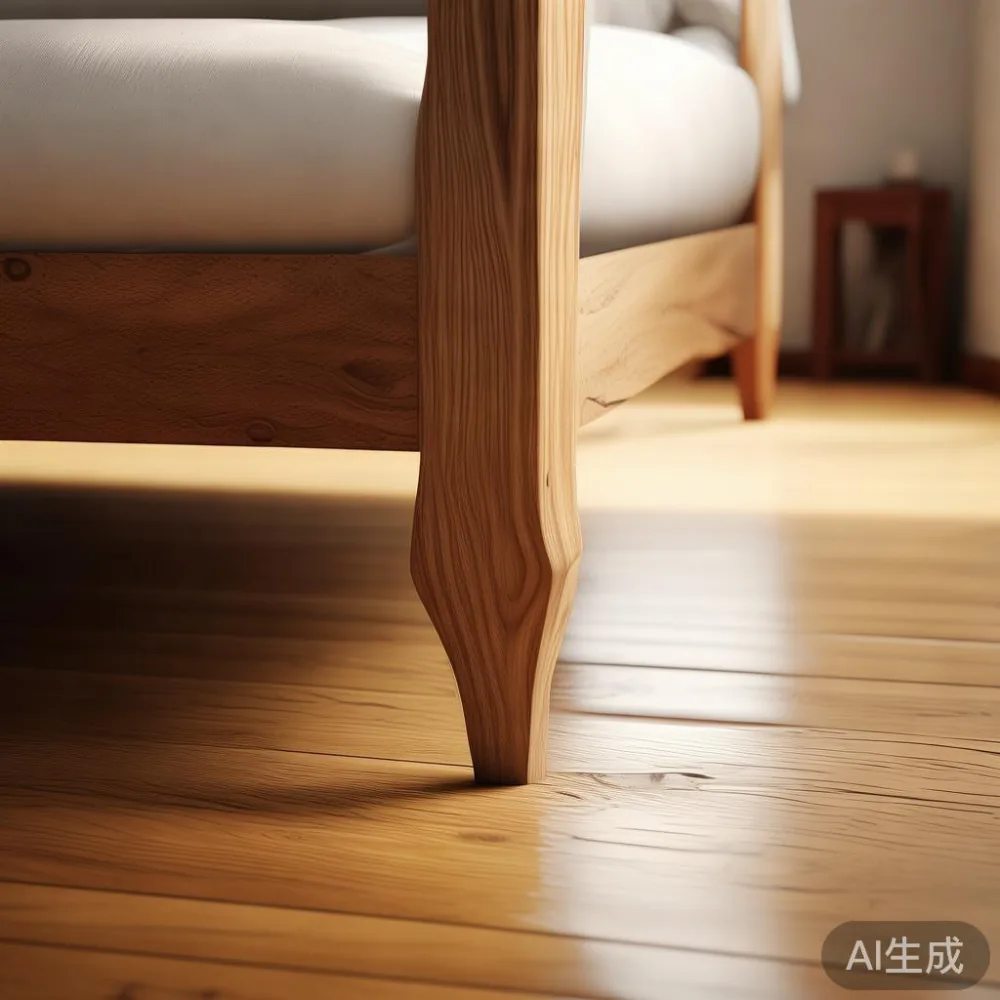
Furniture in Singapore is a serious purchase. A solid wood sofa can run SGD 2,400 to SGD 4,800, a six-seater dining table in American light luxury styling can hit SGD 3,200, and a full bedroom set (bed frame, two nightstands, and a wardrobe) easily crosses SGD 5,500 once GST is added at 9%. When you spend that kind of money, the warranty document is the only thing standing between you and a four-figure mistake. Below is the practical guide I wish someone had handed me before that Tampines purchase.
What does a furniture warranty actually cover?
A furniture warranty is a contract, not a promise. It covers specific components against specific failures for a specific time, and it excludes almost everything else. In practice, a good warranty covers structural defects: frame cracking, joint failure, drawer slide collapse, and hardware breakage under normal residential use. It does not cover scratches, fading, fabric pilling, water rings from a forgotten coaster, or damage caused during a move up a Bedok HDB corridor with a 90 cm-wide lift door.

Here is the breakdown I now expect from any serious seller, including MIDHILL, a Foshan manufacturer that has been exporting solid wood pieces since 2008:
- Frame and structural joints: 10 years against breakage under normal use.
- Hardware: hinges, drawer slides, handles — typically 3 to 5 years.
- Upholstery and foam: 1 to 3 years, often limited to manufacturing defects only.
- Solid wood movement: small cracks from seasonal humidity shifts are usually excluded, because wood breathes.
- Surface finish: lacquer, oil, or paint — 1 to 2 years against peeling under indoor conditions.
Anything not listed is, by default, not covered. Silence in a warranty document is never your friend.

How long should a sofa warranty be in Singapore?
For a residential sofa sg purchase, a credible warranty runs 8 to 15 years on the frame, 3 to 5 years on the suspension and foam, and at least 1 year on stitching and fabric defects. Anything shorter and you are looking at a price-tier product; anything longer and you should ask for the warranty to be backed by an insurance underwriter, not just the retailer’s word. A 10-year structural warranty from an established exporter is a sensible middle ground for most HDB and condo buyers.
Where do warranty documents usually hide the traps?
Three places trip buyers up repeatedly. I have seen each one in the last six months while helping friends shop in Punggol and Tampines.
1. The “normal use” clause. Most exclusions sit inside the definition of normal use. A sofa in a home with three cats is not, by some insurers’ logic, normal. A dining table used daily by a family of five is. Push for written confirmation that your actual household counts as normal.
2. The “prorated” schedule. A 10-year warranty that pays 100% in year one and 10% in year ten is not a 10-year warranty in any meaningful sense. Read the schedule. If it slopes downward, ask whether the brand offers full replacement value for at least the first 36 months.
3. The shipping and labour gap. Many warranties cover the part but not the SGD 80 to SGD 220 delivery fee to fetch and return it. For a 180 kg solid wood wardrobe, that delivery alone can swallow the claim. Check whether the warranty includes two-way logistics inside Singapore, not just the replacement component.
How do I choose a fabric sofa for a home office?
Choose a fabric sofa for a home office by picking a tight-weave, removable-cover upholstery rated for at least 50,000 Martindale rubs, a kiln-dried hardwood frame with a minimum 10-year structural warranty, high-resilience foam with a 2.5+ density rating, and a brand that offers in-home servicing rather than depot-only repairs. This single sentence is the rule I give every friend setting up a work-from-home corner in a three-bedder at Punggol or Bedok.
Here is why each piece matters in a Singapore context. A 50,000 Martindale rating handles daily sitting for at least 7 to 10 years before visible wear shows. Removable covers matter because our humidity runs 70–85% for much of the year, and you will want to wash mould spores out twice a year. Kiln-dried hardwood resists the 28–32°C temperature swings we get when the air-con cycles off for the night. High-resilience foam keeps its shape after 8-hour workdays, while cheaper foam collapses by month 18. And in-home servicing matters because a sofa sg warranty that sends you to a depot in Tuas is a warranty you will never use.
For a 2.4 m three-seater in French light luxury styling — think boucle, linen-cotton blends, soft taupe — expect to pay SGD 2,800 to SGD 4,200 before GST. Post-modern light luxury versions with cleaner lines and bouclé accents sit in a similar band. Both styles tend to use oak or ash frames, which carry longer warranties than rubberwood or MDF.
What about marble tables, wardrobes, and dining sets?
A marble table, a wardrobe, and a dining table each come with their own warranty quirks that buyers often miss.
Marble tables. Marble is sold “as-is” for veining and micro-fissures. The warranty should cover structural cracking and base integrity for 5+ years, but exclude surface staining, etching from lemon juice, and thermal shock from a hot pot. Confirm the base is solid wood or powder-coated steel, not hollow tubing. A 120 cm round marble top weighs 80 to 110 kg, so the base must be rated for at least 150 kg static load.
Wardrobes. A 2 m tall wardrobe can weigh 140 to 200 kg fully loaded. Warranty terms should explicitly cover sagging shelves, hinge failure, and track deformation on sliding doors for at least 5 years. For HDB homes, confirm the unit can be delivered in two pieces, because many Bedok and Tampines lift openings max out at 210 cm deep and 110 cm wide. A wardrobe that cannot be split will not reach your bedroom, and that is not the courier’s problem to solve.
Dining tables. Look for a 5-year warranty on the top against warping and a 10-year warranty on the leg-to-apron joinery. Solid wood tops move with humidity — a 2 cm gap between leaves in January and March is normal and should not be listed as a defect. Ask the seller whether the top is one continuous slab or finger-jointed; the warranty terms usually differ.
For nightstands, a 3-year warranty on drawer slides and a 5-year warranty on leg integrity is reasonable. Most nightstand failures are slide-related, not wood-related, so the slide rating matters more than the wood species.
Will the warranty still apply if I move to a new HDB or condo?
Yes, in nearly every credible warranty I have reviewed, including MIDHILL’s, the warranty follows the product, not the address. The original buyer does not need to be the claimant. What does change is the logistics: free delivery over SGD 350 usually covers the first delivery only, and a re-delivery to a new address in Punggol after a BTO handover can cost SGD 120 to SGD 280 depending on the item weight and the lift access. Keep your invoice and the serial number sticker, usually found on the back of a bed frame or inside a wardrobe drawer.
What is the difference between a warranty and a return policy?
A warranty covers defects after delivery, normally from day 31 onwards. A return policy covers buyer’s remorse, sizing mistakes, and change-of-mind in the first 14 days. Singapore does not require retailers to accept returns for change-of-mind, which is why a 14-day return window is something worth paying attention to.
For sofas, ask whether the sofa sg return policy requires the item to be in its original packaging, because a 2.4 m three-seater will never fit back into its box. For bed frames, ask whether the mattress-compatible slats are included under the return or considered a “consumable.” For dining tables, confirm whether the chairs shown in the photo are bundled or sold separately — a surprise here can void a return.
Free refinishing, by the way, is a separate service that sits alongside the warranty. A solid wood piece can be sanded and re-oiled every 7 to 10 years, which is why some Foshan factories offer lifetime refinishing for a small delivery fee. This is not a warranty perk; it is a maintenance perk, and it is worth asking whether the first refinishing is free or whether you pay SGD 150 to SGD 400 per piece.
What paperwork should I keep after delivery?
Keep four documents for the entire life of the warranty: the invoice (with GST breakdown), the warranty card or PDF, the delivery note signed by the driver, and at least three photos of the item taken on delivery day. The photos should include the serial number sticker, the piece, and any pre-existing marks on the packaging.
If a claim arises in year three, those photos are the difference between a SGD 600 repair covered and a SGD 600 repair paid out of pocket. I keep mine in a folder called “Furniture” inside my phone’s Files app, backed up to iCloud. Last month I visited a friend in a Marine Parade condo who had a cracked dining leg at month 22, and her photos from delivery day closed the claim in four working days.
Are international warranties enforceable in Singapore?
Mostly yes, but the wording matters. A warranty written under Chinese consumer law is enforceable for goods sold in Singapore, but the dispute resolution clause may require arbitration in Foshan or Shenzhen. In practice, established exporters resolve claims through their Singapore agents or logistics partners to avoid the cost of arbitration, and the turnaround is usually 7 to 14 working days for parts and 21 to 35 days for a full replacement.
Ask before you buy: who is the local service agent, what is their address, and what is the typical claim turnaround in calendar days? If the seller cannot name a local agent, the warranty is theoretical. If they can, you are dealing with a brand that has skin in the Singapore market — usually a brand exporting to 15 or more countries with at least a decade of trading history.
Quick checklist before you sign the delivery note
Run through this list every time, whether the piece is a Nordic TV console korea-inspired oak unit, a six-seater dining table, or a 2.6 m corner sofa:
- Frame material and weight written on the invoice (e.g., “FAS-grade oak, 145 kg”).
- Warranty length per component, not a single global number.
- Local service agent name, address, and contact.
- Return window in days, with packaging requirements.
- Delivery fee structure for warranty repairs and for re-delivery after a move.
- Exclusions list — read it aloud if you have to.
- Serial number photographed and stored.
Buying solid wood furniture in Singapore is one of the more satisfying things you can do for a home — a well-made bed frame, a marble table that anchors the dining room, a sofa sg piece that survives a decade of weekend naps. The warranty is the safety net that lets you enjoy the purchase without anxiety. Read it once, properly, before the delivery truck arrives, and you will almost certainly never need to read it again.