The True Cost of Comfort: Veneer vs Solid Wood in Singapore
Choosing a new sofa for a Singaporean home is a significant decision. It’s not just about finding a place to sit; it’s about selecting a centrepiece for your living room, a piece of furniture that will withstand the humid climate, the wear and tear of daily life, and the unique spatial constraints of our HDB flats and condominiums. The debate often boils down to two materials: veneer and solid wood. Both have their place in the market, but their long-term costs can diverge dramatically over five years. This article provides a detailed, numbers-driven comparison to help you make an informed choice for your next sofa sg.
Understanding the Materials: What Exactly Are We Comparing?
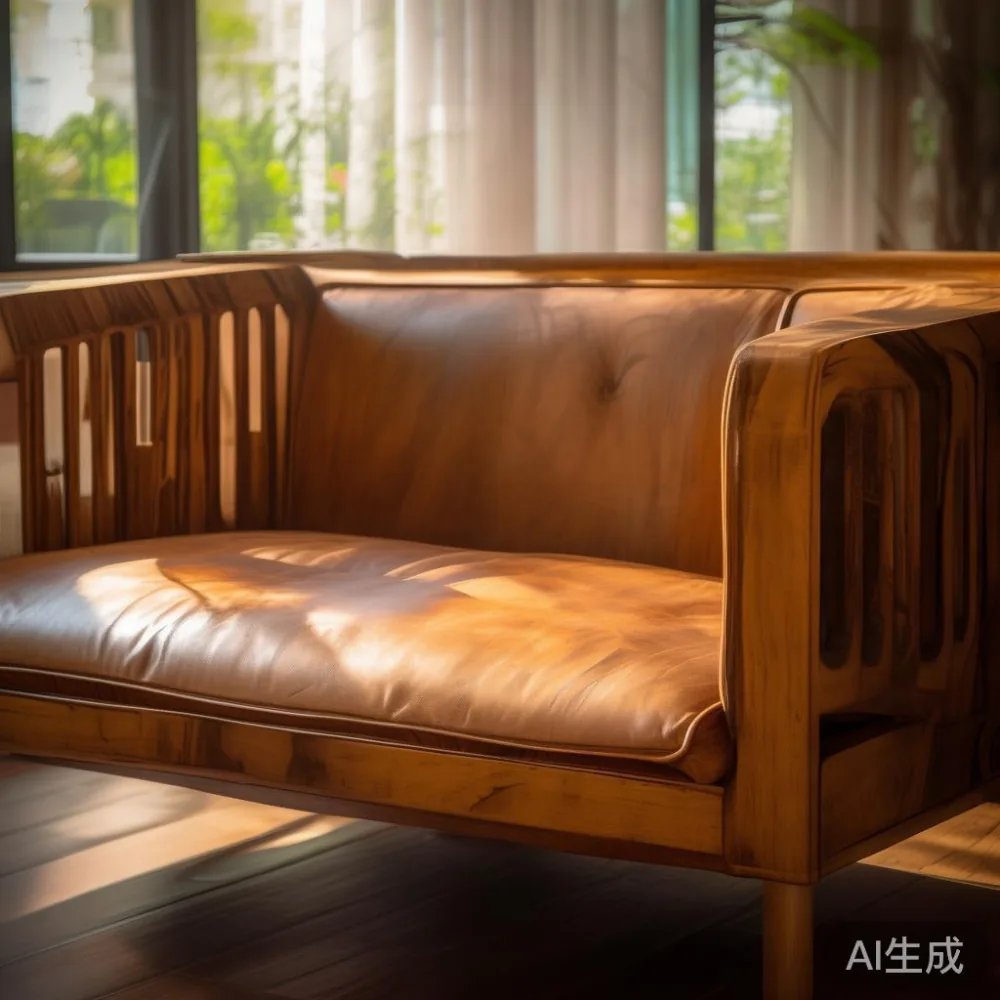
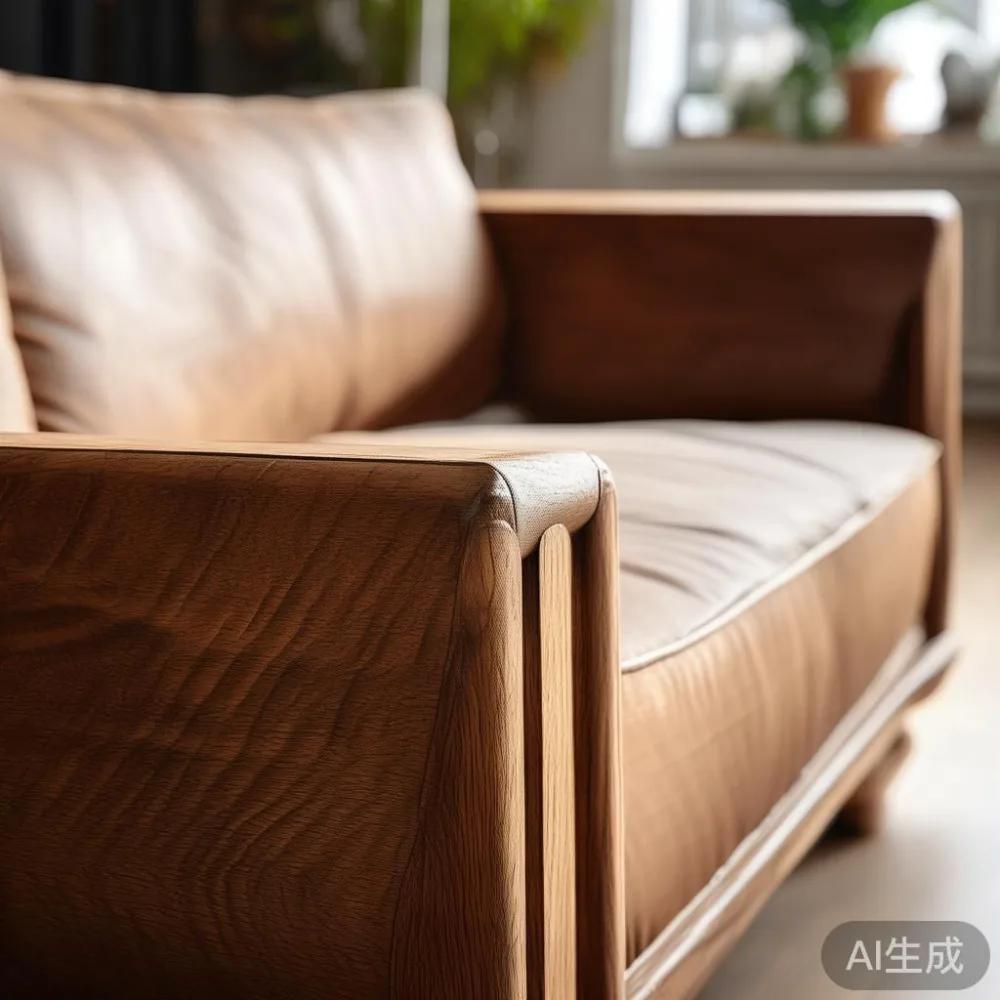
Before diving into costs, it's important to understand what veneer and solid wood actually are. Solid wood furniture is constructed entirely from genuine hardwood, such as oak, teak, or mahogany. A solid wood sofa frame is carved from a single piece of lumber or joined together with high-strength wood glue and dowels. The visible surfaces are solid wood, and the structure is built to last for decades. For instance, a typical solid wood sofa frame from a reputable maker like MIDHILL might use kiln-dried rubberwood to prevent warping in Singapore's humidity, with a thickness of 4-5 cm for the main supports.
Veneer, on the other hand, is a thin layer of real wood (typically 0.5-2 mm thick) glued onto a substrate, which is usually a less expensive engineered wood like MDF (Medium-Density Fibreboard), particleboard, or plywood. The idea is to provide the aesthetic look of solid wood at a lower material cost. A veneer sofa might have a beautiful oak finish on the outside, but its internal structure is made of a composite material. This difference in construction is the root of all subsequent cost variations. When you consider a sofa sg, you are investing in either the enduring integrity of solid wood or the immediate affordability of veneer.
The Initial Purchase Price: The Upfront Cost Difference
The most obvious difference between veneer and solid wood furniture is the initial price tag. In Singapore, a standard three-seater sofa in a veneer finish might cost between $1,200 and $2,000 SGD, depending on the brand and design. This price point often includes a standard fabric upholstery and basic construction. For example, a popular Scandinavian-style veneer sofa from a local retailer could be found at $1,580 SGD.
A comparable solid wood sofa sg, however, commands a significantly higher price. Using the same three-seater design, a solid wood sofa might range from $3,000 to $5,500 SGD. The price increase is due to the cost of the raw material, the more labour-intensive manufacturing process, and the higher quality of joinery. A solid wood sofa from a Foshan furniture specialist like MIDHILL, for instance, might be priced at $4,200 SGD for a model with American light luxury styling, featuring a sturdy rubberwood frame and high-density foam cushions.
To put this into perspective, let's look at the delivery cost. Free shipping over $350 SGD is a common offer. For a veneer sofa, which is lighter and often flat-packed, delivery might be straightforward. A solid wood sofa, being heavier and bulkier, might require specialised handling. A delivery from a warehouse in Tuas to a condominium in Tampines could take 5-7 business days for veneer, whereas a solid wood piece might take 7-10 days due to its weight of approximately 65-75 kg compared to a veneer sofa's 45-55 kg.
Longevity and Durability: How Long Will Your Sofa Last?
The initial cost is just the beginning. The true value of a piece of furniture is revealed in its longevity. A solid wood sofa is an investment in permanence. Its frame is built to withstand immense pressure. A 10-year structural warranty is a standard offering from reputable manufacturers, which speaks to their confidence in the product's durability. Solid wood can be refinished multiple times over its lifetime. A solid wood sofa that has seen some wear can be sanded down and re-stained or painted, effectively giving it a brand new look. This lifetime refinishing capability means a solid wood sofa could easily serve a family for 25-30 years or more.
Veneer furniture has a much shorter expected lifespan. The engineered wood substrate is susceptible to moisture damage. In Singapore's high-humidity environment, the MDF core of a veneer sofa can absorb moisture, leading to swelling, warping, and a breakdown of the internal structure. The thin wood veneer itself can also chip, peel, or delaminate over time. While a veneer sofa might look perfect for the first 2-3 years, the signs of wear often become apparent around the 5-year mark. At this point, the structure may become compromised, and refinishing is not a viable option because the substrate underneath is damaged. A veneer sofa's typical lifespan is often cited as 7-10 years, with significant degradation occurring in the latter part of that period.
Is a Veneer Sofa Cheaper in the Long Run? The 5-Year Cost Breakdown
To answer this question, let's create a hypothetical 5-year cost comparison for a family living in a Bedok HDB flat. We will factor in the initial purchase, potential repairs, and the cost of replacement if the item fails.
Scenario A: The Veneer Sofa
- Year 0 (Initial Purchase): $1,580 SGD for a veneer sofa. Delivery included.
- Year 1-3: Minor issues may arise. Perhaps a leg wobbles slightly and needs tightening, or a small part of the veneer peels at a corner. A handyman service might charge $50-$80 SGD for a repair call.
- Year 4-5: The sofa shows significant wear. The cushions may have lost their shape and sagged ($150-$200 SGD to replace the foam). The substrate in a high-stress area like the armrest begins to warp. At the 5-year mark, the family decides the sofa is beyond economical repair and needs to be replaced. The cost of a new sofa (even another veneer one) is another $1,500 SGD.
- Total 5-Year Cost: $1,580 (initial) + $80 (repair) + $200 (cushions) + $1,500 (replacement) = $3,360 SGD.
Scenario B: The Solid Wood Sofa
- Year 0 (Initial Purchase): $4,200 SGD for a solid wood sofa sg. Delivery included.
- Year 1-5: The sofa performs exceptionally well. The frame remains solid and stable. The cushions may soften, but this is normal and expected. The family might spend $150 SGD on new cushion inserts after 4 years to maintain comfort, but this is a maintenance cost, not a repair. The 10-year structural warranty covers any major frame issues, so there are no unexpected costs.
- Total 5-Year Cost: $4,200 (initial) + $150 (cushion refresh) = $4,350 SGD.
At first glance, the veneer option seems cheaper over 5 years ($3,360 vs $4,350). However, this calculation misses a critical factor: the hassle and inconvenience of replacement. Replacing a sofa means dealing with disposal, shopping for a new one, and another period of disruption. Also, the quality of the new veneer sofa is likely to be similar, meaning the family will face the same cycle again in another 5 years. The solid wood sofa, while more expensive upfront, is a one-time major purchase for this decade, offering peace of mind and consistent quality.
Resale Value and Aesthetic Timelessness
Another financial consideration is resale value. When moving from a Punggol apartment to a larger condo, a well-maintained solid wood sofa can be sold as a second-hand item. After 5 years, it might retain 40-50% of its original value, meaning the family could recoup $1,680-$2,100 SGD. A 5-year-old veneer sofa, on the other hand, has virtually no resale value. It's often difficult to give away, and disposal might even incur a small fee.
Aesthetically, solid wood furniture possesses a timeless quality. The natural grain of the wood, the heft of the frame, and the craftsmanship give it a character that doesn't fade with trends. A solid wood sofa fits smoothly into various design schemes, from post-modern light luxury to more rustic industrial styles. In contrast, veneer furniture can sometimes look dated as design trends shift, and the cheaper construction can become visually apparent over time. The search for the best French wardrobe for 2026 or the best Coastal sofa for 2026 often leads buyers to solid wood options for their enduring style, just as a light luxury bed vs French provincial bed debate hinges on the material's authenticity.
What About the Singapore Context: Space and Climate?
Singapore's living conditions add further weight to the solid wood argument. The standard corridor width in an HDB flat is about 1.2 metres. A bulky sofa needs to work through this space. A solid wood sofa, while heavy, is often designed with more solid joinery that allows for easier disassembly and reassembly for moving. Its sturdiness means it won't suffer from the structural weaknesses that can make moving a veneer sofa a nightmare.
The climate is a major factor. The 80-90% humidity can wreak havoc on cheap materials. A veneer sofa's MDF core is particularly vulnerable. Solid wood, especially when it's kiln-dried like the wood used by a specialist in Foshan furniture, is treated to resist moisture-induced warping. The investment in a solid wood frame is an investment in a piece of furniture that will not succumb to the local environment. For an industrial for small living room design, where the integrity of the furniture is part of the aesthetic, a solid wood frame is non-negotiable. Similarly, when considering European light luxury for hotel projects, the durability and longevity of solid wood are paramount for maintaining a high standard over years of heavy use.
Why Does a MIDHILL Sofa Cost More? A Look Behind the Scenes
Last month, I visited a furniture factory in Foshan to understand the production process. I watched as a craftsman worked on a solid wood dining table, a product that often receives a detailed MIDHILL dining table review. The process was meticulous. Each piece of wood was selected for its grain, then planed, sanded, and joined using traditional mortise and tenon techniques. This level of craftsmanship takes time and skill, and it's reflected in the price. The factory's quality control involved checking every joint, ensuring it was within 0.5 mm of tolerance. This precision prevents wobbling and ensures the table's stability for decades. A veneer table, in contrast, is assembled much faster, with the focus on applying the decorative outer layer rather than the structural integrity of the core. The difference in manufacturing philosophy is the primary reason for the price gap, and it directly translates to the difference between a sofa that needs replacing in 5 years and one that becomes a family heirloom.
When you choose a solid wood sofa sg, you are not just paying for the material; you are paying for the 10-year structural warranty, the lifetime refinishing promise, and the peace of mind that comes from knowing your furniture can handle the unique challenges of a Singaporean home. The free shipping over $350 SGD is a nice perk, but the real value lies in the product's ability to endure.