Lacquered Sofa Care for Singapore Homes
A lacquered surface can look calm and precise in a Singapore living room, yet it lives with constant heat, humidity, sunlight, and airborne dust. For a solid wood sofa, bed frame, or dining table, the finish is only 1 of several layers affected by the climate: the timber beneath it, the joints, and the hardware all need sensible care. This guide focuses on lacquered furniture in humid HDB flats and condos, from Tampines to Bedok and Punggol, where rooms often connect directly to air-conditioned space and polished floors.
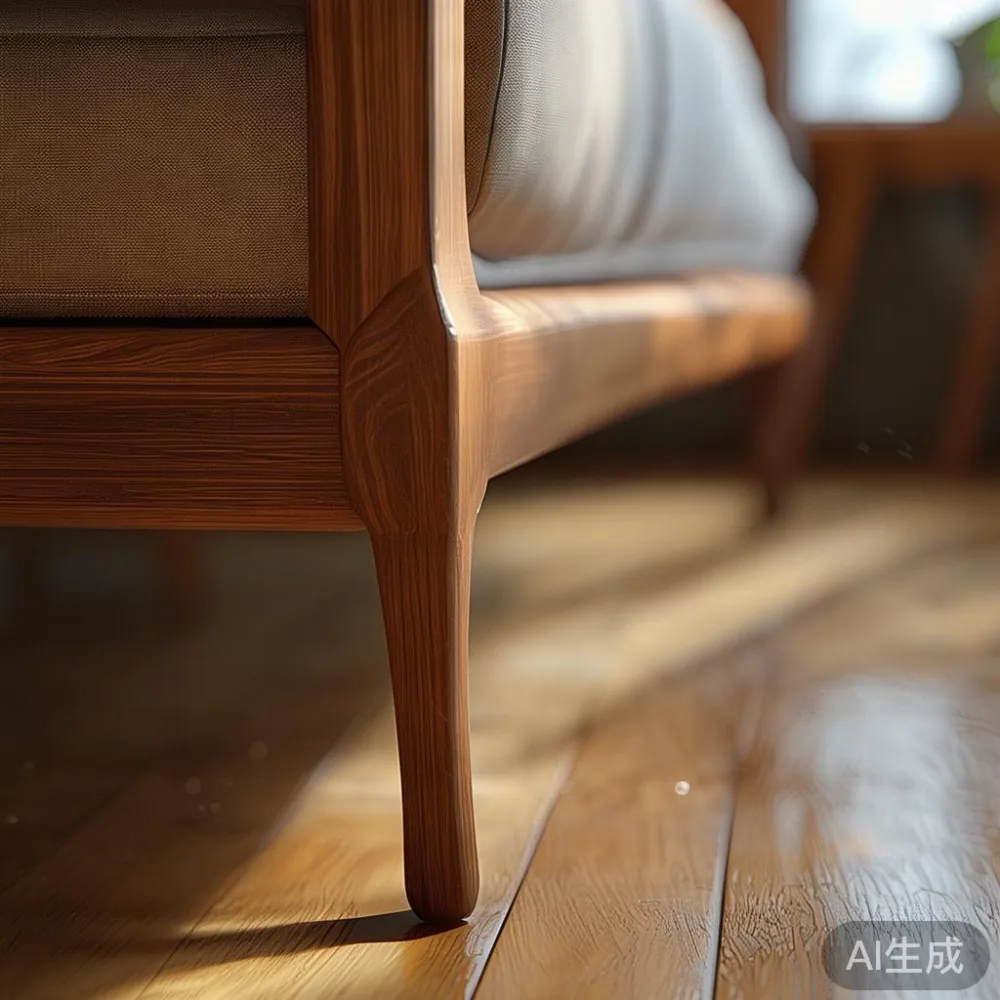
The aim is not to create a showroom that nobody can enjoy. It is to protect a well-made piece for 10 years or more while preserving the warm character of wood, the reflective depth of lacquer, and the clean proportions associated with French light luxury, American light luxury, and post-modern light luxury.
What does tropical humidity do to lacquered furniture?
Singapore’s outdoor air commonly carries 70–90% relative humidity, especially around monsoon periods. Indoors, air conditioning may reduce that figure to 40–60%, but doors opening onto a shared corridor or balcony can cause repeated changes within a single day. A finish may expand and contract as timber responds to moisture, while lacquer becomes less forgiving of scratches, fingerprints, and dull patches when it is warm.
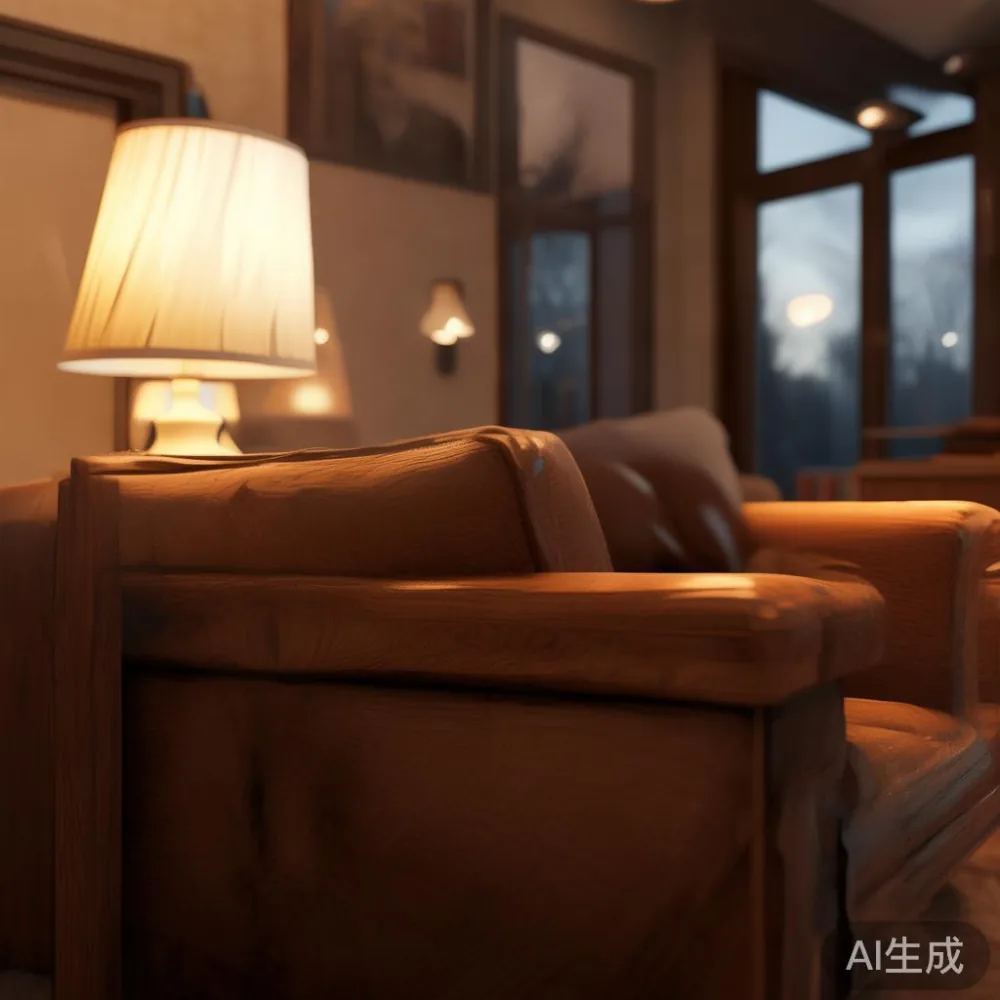
Place a lacquered sofa at least 30 cm from a wall, radiator, or window, and keep it out of direct afternoon sun. In a typical HDB living room, leave 60–90 cm between the sofa and coffee table for circulation. That space also allows you to wipe the floor and inspect the furniture without dragging it across tiles.
Lacquer should not be confused with an endlessly self-repairing coating. Fine abrasion may sometimes be reduced with careful polishing, but deep scratches, lifting edges, and water whitening need professional attention. For lacquered dining tables, use placemats and coasters. On a lacquered nightstand, avoid standing damp jars, tissue boxes, or electronic chargers that transfer heat.
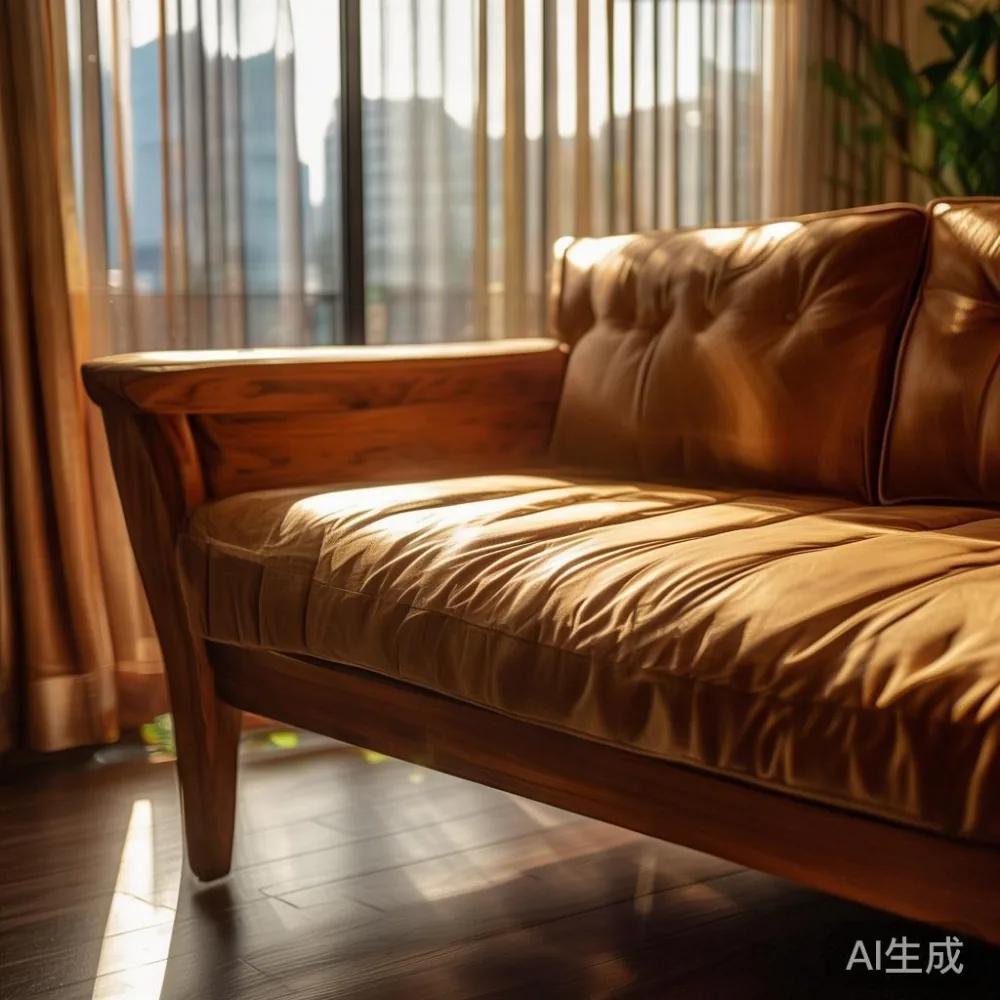
How should I clean a lacquered sofa sg without damaging the finish?
Vacuum before wiping. Use a soft brush attachment with suction adjusted to a low setting, then work along seams and under cushions. A full vacuum pass on a medium-sized sofa should take 8–12 minutes. Avoid beater brushes, which can catch threads and roughen a delicate lacquer film.
For routine cleaning, mix 1 teaspoon of mild, pH-neutral dish soap with 500 ml of lukewarm water. Moisten a microfibre cloth rather than the upholstery; the cloth should be damp, not dripping. Wipe in sections of roughly 50 × 50 cm, then remove residue with a second clean cloth. Test an inconspicuous 5 × 5 cm area first and allow it to dry for 20 minutes.
Never use bleach, ammonia, vinegar, alcohol, abrasive powder, or silicone furniture spray. These products can cloud lacquer, attack adhesives, or leave a sticky film. If a stain remains after 2 attempts, record its size, photograph it, and ask the furniture maker for a product-specific recommendation rather than experimenting with stronger chemicals.
Leather cushions and fabric backs need different methods. Apply leather cleaner sparingly to a cloth, never directly to the hide, and condition only if the manufacturer permits it. For fabric, check the care label and use water-based cleaner approved for the weave. A common sofa sg buyer mistakes “lacquered” for “washable”; the timber frame and lacquer finish require more restraint than a loose cushion cover.
How often should a lacquered surface be maintained?
A practical schedule is more useful than a complicated one. Dust the lacquered surfaces every 7 days, vacuum upholstered areas every 7–14 days, and wipe accessible wood with a barely damp cloth every 14 days. After meals, clear a dining table within 30 minutes so sauces and drinks do not remain overnight. Check silicone feet or felt pads every 3 months, particularly on tile or marble flooring.
In HDB flats, lift and corridor dimensions deserve attention before a large sofa arrives. Measure the lift door, lift car, landing, corridor turns, and staircase handrails rather than relying on the product’s packed width alone. A sofa 220 cm long may have a packed carton of 225 × 95 × 65 cm, so a 90 cm lift door can be tight even if the lift itself measures 110 cm wide. Add 5–10 cm of working clearance at corners.
For delivery, specify a 2-person or 3-person team and elevator reservation where needed. Protect floors with 2 mm cardboard or purpose-made felt, and use corner guards rated for at least 20 kg. Delivery to most Singapore addresses takes 3–7 working days after stock confirmation, but made-to-order pieces may require 6–10 weeks.
Can scratches, heat marks, and peeling lacquer be repaired?
Surface marks differ from structural damage. A fingernail that catches lightly can sometimes be reduced by very gentle polishing, while a scratch exposing brown timber needs filling and recolouring. Water rings may improve under controlled polishing, but the result depends on the lacquer chemistry. Never rub a mark with a coarse eraser or a kitchen scourer.
Place hot objects on a trivet or cork mat and maintain 2 cm of clearance between a table lamp and the lacquer. A 60 W bulb can raise the immediate surface temperature enough to haze a finish over repeated use. Use LED lamps where possible and avoid positioning a lamp directly above a dining table for more than 4 hours a day.
Peeling along an edge, bubbling, or a split that follows a joint is not a polishing problem. Photograph the affected 10 × 10 cm area, note indoor humidity with a hygrometer, and contact the maker. MIDHILL provides a 10-year structural warranty on qualifying products and lifetime refinishing support, so preserving the original order details and receiving condition photographs is important.
Are cooling, dehumidification, and air circulation enough to protect furniture?
They help, but they should work as a coordinated routine. Set a hygrometer near the furniture rather than beside an air-conditioner vent. A reading of 45–60% is manageable for most indoor settings; sustained readings above 70% invite mould and finish movement. Run dehumidification in enclosed rooms during humid evenings and use fans to move air across lacquered panels.
Air-conditioning alone can create a dry, dusty environment. Clean filters every 2–3 months and clean ceiling vents every 3 months. If a sofa sits against an external wall in a Tampines flat, move occasional cushions so trapped moisture does not remain hidden. For an air-conditioned bedroom, leave a 10–15 cm gap behind a lacquered bed frame and avoid pushing it tightly into a headboard recess.
Solid wood moves with seasonal changes even when protected. Small gaps of 2–4 mm at a floating side panel can be normal. Larger gaps, cupping, or jammed doors should be reported before applying moisture or forcing the joint. Do not use a humidifier to “correct” timber movement; it can create uneven swelling across the piece.
What should I know when matching lacquer to different furniture?
A lacquered dining table benefits from a matte or low-sheen finish in busy family homes because fingerprints are less conspicuous. A glossy surface is more demanding but can give a formal console a reflective French light luxury character. Keep the sheen consistent across drawer fronts, rails, and table edges; mixed batches may appear different under the same 4000K lighting.
A lacquered wardrobe should have ventilated openings and adjustable hanging rails positioned to prevent damp clothing from touching the back panel. If you are considering how to choose Japanese wardrobe options for a compact bedroom, compare the sliding or hinged opening clearance, internal bay widths, and moisture management rather than focusing only on the exterior. A 300 cm wide wardrobe may suit a 330 cm wall, but its doors need another 80–100 cm of opening space.
Shopping guides often describe the best Rustic wardrobe for 2026 as heavily grained or distressed, but a tropical home needs a finish that can be maintained without amplifying dust. For European light luxury for guest room arrangements, consider a lacquered bed frame with restrained storage, slim pulls, and a clear cleaning plan. The phrase Boho for guest room may suggest woven texture, yet the same room can use one solid wood sofa with a light textile layer and a lacquered nightstand.
For a small apartment, light luxury with storage can be achieved through a bed frame with drawers or a dining table designed with a 35 cm-deep centre section. Avoid forcing storage into every object. A practical room may need 1 wardrobe, 1 nightstand, 1 dining table for 4 people, and 1 coffee table rather than several bulky units competing for the same 45 cm of circulation space.
What did I learn during a recent Singapore showroom visit?
Last month I visited a client’s Bedok condo with 3 young children, a lacquered dining table, and a large solid wood sofa. The lacquer looked dull along one edge, and the family assumed it had been scratched. I checked under a side light and found a film of construction dust and skin oil rather than deep scoring. Cleaning with a pH-neutral cloth restored most of the sheen in 15 minutes; the edge still needed a 2-hour professional assessment.
My colleague then tested 3 common household products on a spare lacquer panel: one alcohol-based cleaner, one silicone spray, and one mild dish-soap solution. After 72 hours at 28–31°C and 75% humidity, the alcohol patch had visibly hazed, the silicone patch showed a residue, and the mild solution stayed uniform. That test reinforced a simple rule: mild, tested, and repeated beats aggressive and experimental.
Before delivery, inspect the lacquer under daylight and a neutral lamp. Photograph every side, corner, drawer, and leg. Note the date, room, delivery team, and any marks on the condition report. For a MIDHILL coffee table, this record helps distinguish a transit abrasion from a later household mark and keeps warranty discussions measurable.
How can you make a maintenance routine that lasts?
Put the care instructions in the same place as your warranty documents, not inside a rarely opened drawer. Keep 2 microfibre cloths, a soft brush, mild dish soap, and a hygrometer together in a 30 cm utility basket. Label products so an older family member or cleaner knows which formula is approved.
Review the furniture at the start and end of each quarter. Check lacquer edges, drawer runners, feet, and any moisture-prone joints. Wipe with a clean cloth, tighten only hardware that the maker instructs you to adjust, and photograph changes. Keep abrasive tools, paint thinner, and furniture wax away from children and pets.
For shoppers comparing an Italian light luxury dressing table, focus on the finish’s maintainability, storage dimensions, and delivery access. A 120 cm dressing table may need a 125 cm packed depth to clear a corridor turn, and a marble table may weigh 75–120 kg. Confirm the route, lift capacity, floor protection, and installation date in SGD terms before purchase.
In Singapore, good furniture care is a combination of restraint and consistency: dry surfaces, measured humidity, gentle cleaning, and prompt attention to damage. A lacquered solid wood sofa or bed frame can remain handsome through years of humid weather when the finish is treated as a living surface rather than an invisible layer. Prices are usually quoted in SGD, delivery over SGD 350 includes free shipping under the stated policy, and qualifying items can be returned within 14 days when their condition allows. These details make care planning easier, but they do not replace sensible daily habits.