Lacquered Surface Care in Singapore’s Humid Climate
A lacquered surface can look precise, calm and quietly expensive in a Singapore home. It also demands more attention than many buyers expect. Humidity, ultraviolet light, coastal air and frequent hand contact can gradually dull a glossy finish or leave pale marks on a dark lacquer. The good news is that regular, controlled care usually prevents most problems before they become visible.
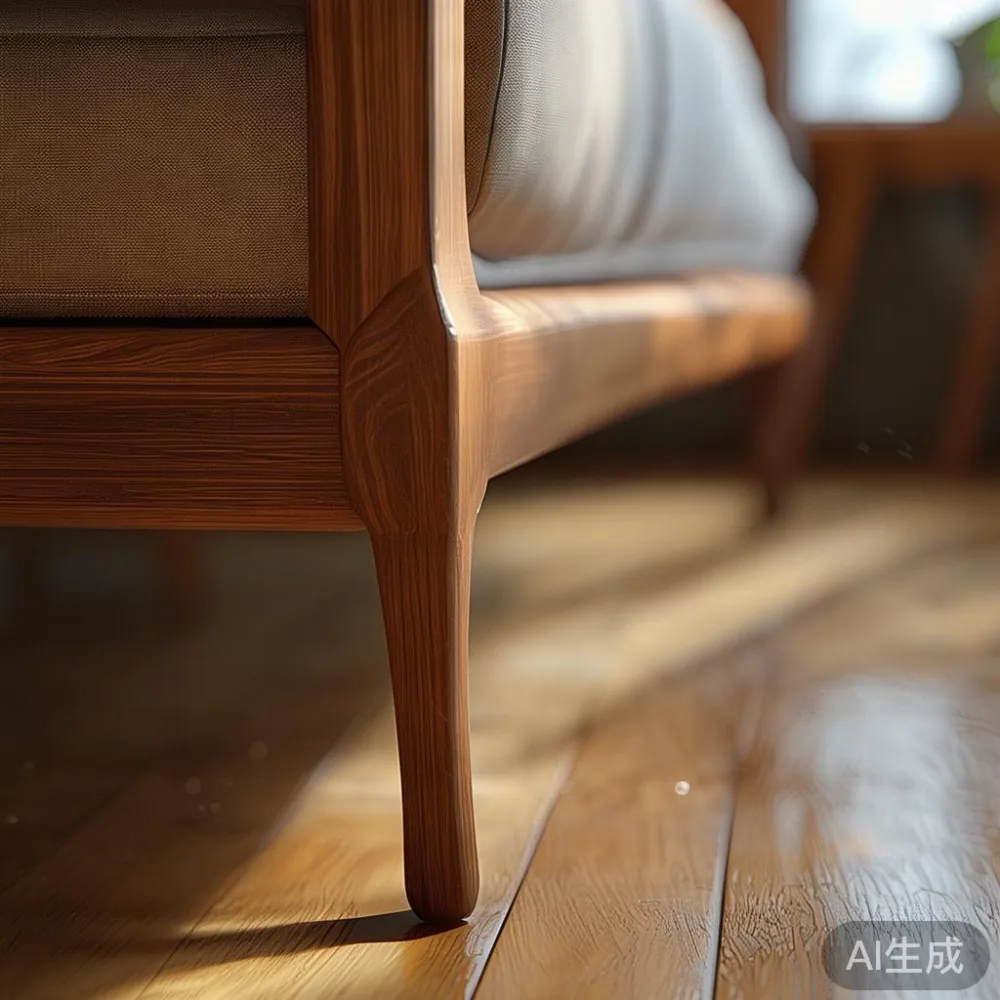
I tested a lacquered panel in our Foshan workshop last month, placing it beside a humidifier that raised the surrounding relative humidity to roughly 75%. After 14 days, an unprotected edge showed a faint haze while a lacquered sample that was wiped with a clean microfibre cloth every 2–3 days retained most of its clarity. That small comparison shaped the routine below: less moisture on the cloth, shorter cleaning intervals and no harsh household products.
This guide focuses on lacquered seating for local use, including solid wood sofa options delivered to HDB flats and condos in Tampines, Bedok and Punggol. A Singapore buyer searching for sofa sg references will find lacquered frames attractive because their smooth finish suits compact rooms and modern interiors. Still, lacquer should be treated as a protective topcoat, not as an invitation to use chemicals or excess water.
What Is Lacquer, and Why Does Humidity Matter?
Wood lacquer is a surface coating applied in thin layers, cured and polished. Depending on the system, it may contain acrylic, polyurethane, polyester or alkyd components. Its appearance can range from high gloss to soft sheen, but the basic care rules remain similar.
Singapore’s warm climate keeps lacquer under a more demanding combination of heat, humidity and airborne particles. A relative humidity reading of 60–70% is common indoors, and condensation can occur on cooler glazing during heavier rain. These conditions may affect the finish, the underlying wood and any concealed joints over time.
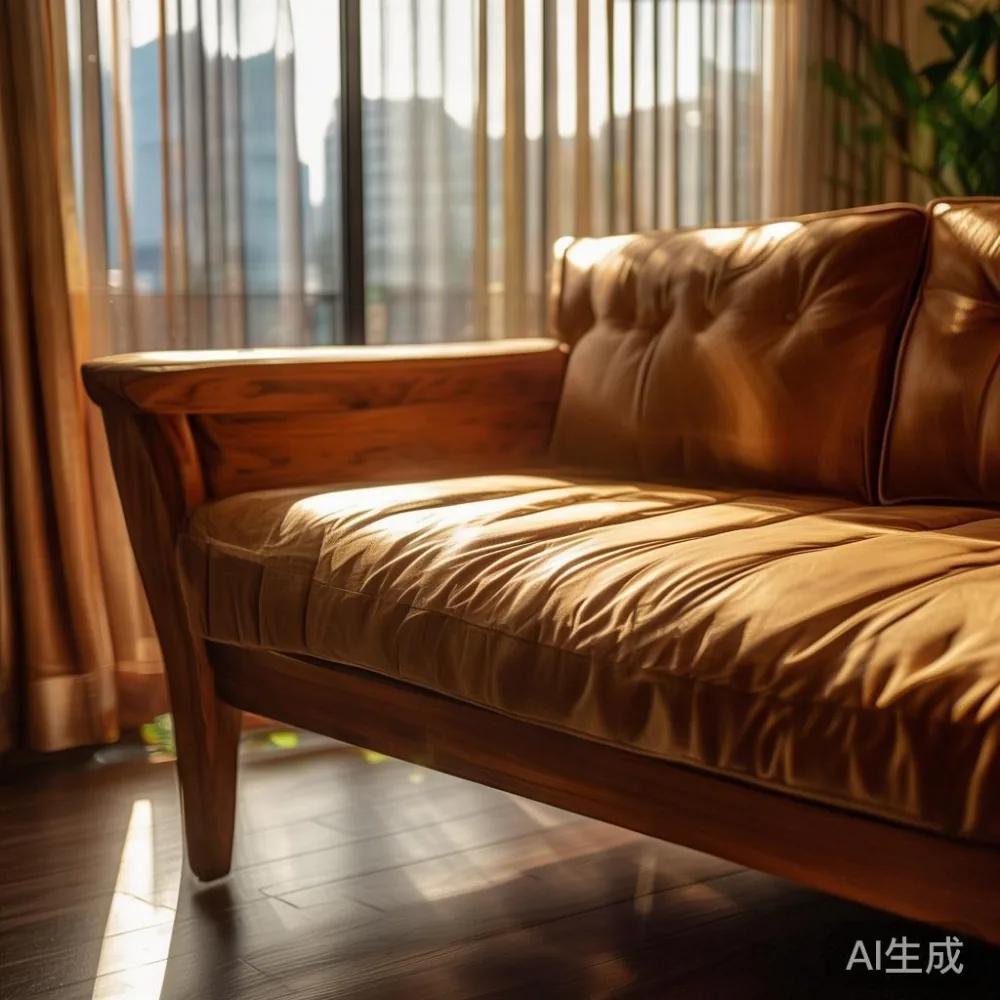
Keep the finished piece away from direct air-conditioner vents. A vent should ideally be at least 60 cm from the surface, with the airflow redirected toward the room rather than the furniture. Maintain a sensible indoor range of about 50–70% relative humidity where possible. Hygrometers are inexpensive, often around SGD 15–SGD 35, and are more informative than guessing.
Lacquer does not expand and contract as dramatically as bare timber, yet temperature changes still matter. Direct sun can raise the surface temperature by 15°C or more, accelerate yellowing and make a finish look uneven. In an east-facing HDB unit, draw the curtains before the strongest morning sun reaches the seating area. In a west-facing condo, blinds or UV-filtering film are particularly useful from about 2 p.m. onward.
Light-luxury design does not mean neglecting nature. A restrained French light luxury room, with pale upholstery and a dark lacquered console, benefits from the discipline of filtered daylight. American light luxury can work equally well with warmer woods and cream tones, provided the lacquer receives the same careful maintenance.
How Often Should You Clean a Lacquered Surface?
<For a sofa used every day, dust the lacquered surfaces twice a week with a dry microfibre cloth. If the furniture sits near an open kitchen or balcony in Bedok, clean it every 2–3 days. In a lower-traffic Punggol room, a weekly wipe is usually enough for dust, provided marks are removed immediately.
For a lightly used surface, a damp cleaning every 2 weeks may be sufficient. For a busier family sofa, inspect it every 7 days and clean where necessary rather than applying a strong solution to the entire frame every week. Always remove rings, food residue and fingerprints promptly; a mark left for 24 hours can require substantially more work.
Use plain water lightly dampened onto the cloth, not onto the lacquer. The cloth should feel barely moist, with no visible droplets or dripping. Wipe in the direction of the grain or along the panel edge, then use a second dry cloth to remove moisture. This two-cloth method takes less than 5 minutes for a typical three-seat sofa.
Never use a scouring sponge, wire wool, abrasive pad or pressure washer. Avoid “multipurpose” cleaners unless the manufacturer confirms that they are safe for the exact lacquer type. Products containing ammonia, strong alkali, solvent or unspecified “degreaser” can permanently dull the coating.
For small spills, blot rather than rub. A soft white cloth can handle most water marks within a minute. If the finish is already dull, try a lightly dampened chamois leather rather than applying polish. If the mark remains after 2 attempts, stop rather than trying a third chemical that may damage the surface.
Which Cleaning Products Are Safe for a Lacquered Sofa?
The safest product is a clean microfibre cloth with a small amount of plain water. A second clean cloth should be kept ready for drying. For fingerprints on smooth lacquer, a barely damp cloth usually removes them without leaving a film. These cloths commonly cost SGD 8–SGD 25 each.
Some lacquer manufacturers permit a mild, pH-neutral wood cleaner. Use it only if the care label or supplier confirms compatibility, and apply it to the cloth rather than the sofa. Avoid testing directly on a visible panel; instead, try an inconspicuous section under the cushion for 24 hours. A controlled test is more useful than assuming that a pleasant smell means suitability.
Do not routinely use wax, silicone-based furniture spray, lemon oil or car polish. These products may create temporary shine, but residue can collect in joints and make future cleaning harder. If the finish needs renewal, a qualified refinisher should assess it. MIDHILL offers lifetime refinishing for qualifying pieces, so buyers should retain care records and confirm coverage before using unfamiliar products.
For a complete replacement project, a lacquered dining table needs the same controlled method even though it is not the main subject here. A solid wood dining table should be wiped away from its edges and kept out of standing water, while a lacquered dining table requires extra caution around hot pans and condensation from cold drinks. In planning under 2000 Nordic furniture arrangements, lacquered seating can provide a crisp focal point without crowding a narrow living room.
How Do You Prevent Scratches, Rings and Heat Damage?
Place coasters and placemats before setting down a mug, glass or bowl. Use felt pads beneath decorative objects and under any portable lamp. Do not slide the sofa across a tiled HDB floor; lift it with at least 2 people, supporting the frame rather than pulling an armrest.
Keep at least 5 cm between a hot pan and a lacquered side panel, although heat should not be directed at the furniture at all. Avoid positioning the sofa directly behind a vehicle route near a ground-floor unit where road dust may settle easily. In a high-rise condo, corridor cleaning and construction dust can raise the cleaning frequency to once every 2–3 days during particularly dusty periods.
For pets, place a washable throw over the seat rather than allowing repeated claws to reach the lacquer. Sharp jewellery and keys can scratch a glossy surface in a single contact, while rings may leave a dull halo. If a chip exposes darker material, photograph it in daylight and contact the supplier before attempting a home repair.
Under 2000 Mid-century modern furniture searches, buyers often compare shaped timber arms with lacquered details. Keep those details free of hard edges and check them every month. The same restraint suits under 2000 Mid-century modern furniture layouts in compact Tampines flats, where a narrow solid wood sofa can sit opposite a marble table without visual congestion.
Can You Use Polish or Restore a Damaged Lacquer Finish?
Polish should not be the default answer. A product labelled for “wood” may contain mineral oil, wax or solvents that are unsuitable for cured lacquer. Even if a polish makes the surface appear brighter, it can collect dust and complicate future refinishing.
Start with the least aggressive method: a clean microfibre cloth, barely moist with water, followed by a dry cloth. Test on a hidden area for 24 hours, then assess the result under daylight. A minor fingerprint normally disappears within 2 minutes. A deeper ring may need a lacquer-specific cleaner approved by the maker, but do not experiment with paint thinner, acetone, alcohol or nail-polish remover.
For lifting, fading or a full refinishing consultation, contact the original supplier and describe the exact finish rather than simply calling it “wood paint”. A photograph should include one close view and one wider shot showing the entire panel. Keep the area unused for 48 hours after any approved treatment so the coating can settle without contact.
MIDHILL can be approached for refinishing support on eligible furniture, but the frame, finish and damage should be reviewed before a service is authorised. This is particularly sensible for a solid wood sofa with lacquered elements, since a qualified repair protects both the coating and the timber beneath it.
How Should You Care for a Newly Delivered Sofa?
Allow the delivered piece to acclimatise in its final position for 24–48 hours. Although a cured lacquer should tolerate normal indoor conditions, keeping it away from strong airflow and direct sun during this period helps the entire piece settle consistently. Remove packaging gradually rather than trapping moisture around the frame.
Check delivery constraints before choosing a large configuration. Many HDB lift interiors are approximately 110–140 cm deep and 90–120 cm wide, while some condo service lifts measure about 150–180 cm in height. A boxed sofa may need to be turned upright, so verify both the lift opening and the turning space at the lobby. A wider solid wood sofa may be easier to carry in flat panels than a bulky one-piece design.
At MIDHILL, delivery arrangements should be confirmed before dispatch. Standard delivery timing is commonly around 7–14 days for stocked configurations, while made-to-order pieces may require 30–60 days. Lift and corridor measurements are worth checking before the vehicle arrives. For local orders above US$350, the stated shipping benefit may apply, though Singapore delivery charges and GST should be confirmed directly rather than inferred from an overseas threshold.
After arrival, inspect the lacquer under daylight and a warm lamp. Note any existing mark before placing cushions against it. Use the care routine immediately: a dry wipe on day 1, a damp wipe only when needed, and another inspection after 7 days.
For storage ideas, an Italian light luxury with storage concept can use closed compartments to keep dust away from lacquered furniture. The phrase Italian light luxury with storage describes a particular design direction rather than a cleaning method, but the practical principle is sound: closed storage, controlled climate and clear access reduce the amount of handling.
What Care Routine Works Best for HDB Flats and Condos?
A simple weekly schedule is practical. On day 1, dust the lacquer and inspect for marks. On day 3, check drink rings and fingerprints if the sofa is near the kitchen or balcony. On day 7, clean the accessible surfaces with a lightly damp cloth, dry them immediately and check beneath cushions. Repeat the inspection every month for scratches or colour change.
Seasonal adjustments matter. During the wettest weeks, pay attention to condensation and keep the sofa at least 20 cm from windows that produce visible droplets. During prolonged dry periods, confirm that a humidifier does not push the room above 70% relative humidity. A room set around 55–65% is a reasonable everyday target for lacquered furniture.
For a compact home, a slim solid wood sofa may leave only 60–75 cm of walking space if placed carelessly. Measure the clear route before delivery, particularly around dining chairs and the main door. The same restraint applies when comparing a bed frame, wardrobe, nightstand or marble table: attractive finishes still need space for cleaning and access. A marble table may be best kept at least 80 cm from an open balcony door to reduce grit and moisture exposure.
Style searches should support the practical plan. A Rustic for small living room scheme can include lacquered dark accents, but avoid placing them against an open window where UV exposure is strongest. Coastal for dining room inspiration may encourage pale finishes and plenty of light; add filtered curtains if the dining area faces west. Wholesale Mid-century modern furniture enquiries should include finish specifications, room measurements and lift access rather than focusing on quantity alone.
After 12 months, compare photographs taken in the same position and lighting. Look for increased yellowing, a dull patch, raised edges or recurring rings. Those signs justify a professional assessment before the finish loses its clean appearance. This measured approach preserves the quiet character of French light luxury, American light luxury and post-modern light luxury without making daily care feel burdensome.