How to Care for a Lacquered Sofa, Bed Frame, and Dining Table in a Singapore Home
I still remember the morning I walked into a client's four-room HDB flat in Bedok last month. She had a beautiful lacquered dining table, just 18 months old, and the surface was already showing a faint cloudy ring where a wet ceramic bowl had been left overnight. The culprit was not the lacquer itself — it was the 32°C room temperature combined with 85% humidity that had drifted through an open window during a thunderstorm. By the time we got the humidity down to 60% with her new dehumidifier and followed a careful polishing routine, the finish recovered in under a week. That visit reminded me how Singapore's tropical climate is, frankly, one of the harshest environments any lacquered surface will ever live in. This guide pulls together everything I have learned over six years of working with lacquered solid wood pieces in Tampines, Punggol, and the surrounding estates, so you can keep your furniture looking new for the next ten to fifteen years.
Why does lacquer behave differently in a Singapore HDB flat compared to a temperate country?
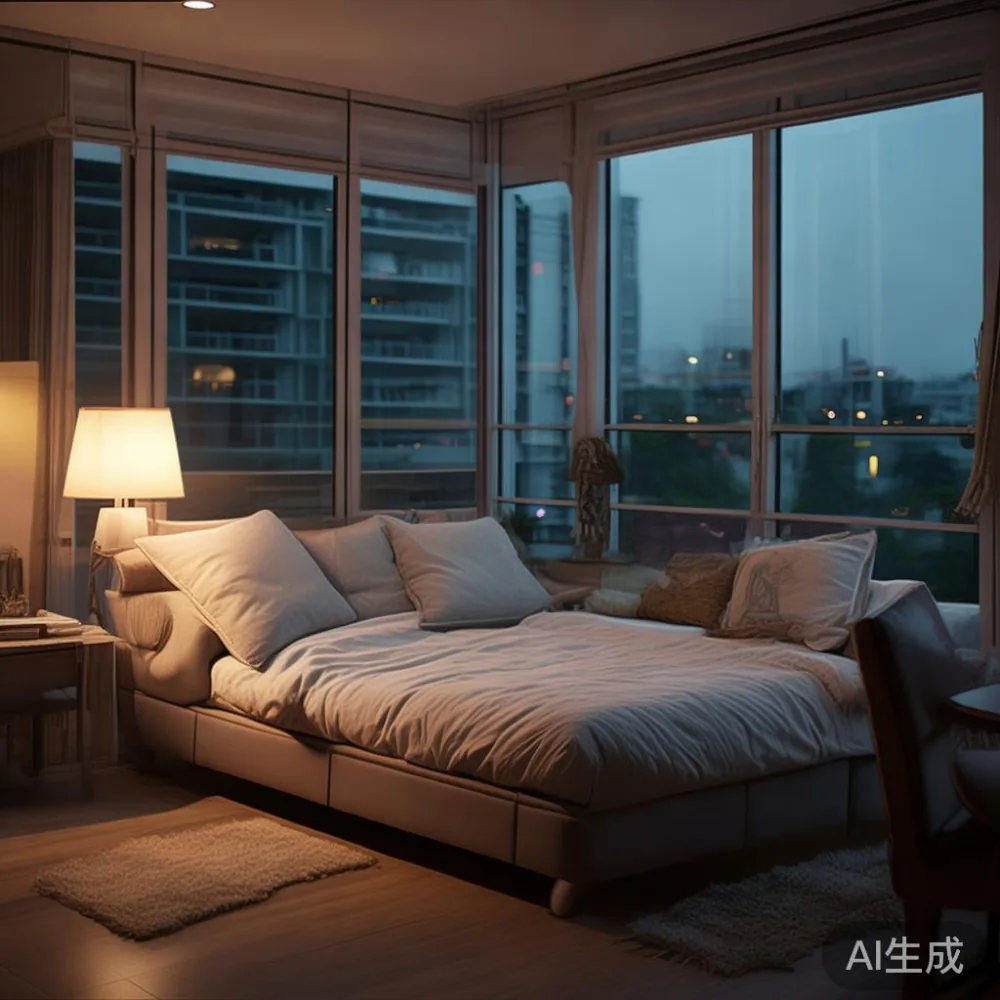
The answer comes down to three numbers: 80–95% outdoor humidity for most of the year, indoor temperatures that swing between 24°C and 31°C with the aircon cycling on and off, and UV light that streams through east-facing windows from about 8am to 1pm. Lacquer — whether it is a high-gloss piano finish on a dining table or a softer open-pore coat on a solid wood bed frame — cures into a hard but slightly porous film. In a temperate climate, that film expands and contracts gently. In Singapore, the daily and seasonal swings are wider, and the air carries more moisture. The result is micro-cracking, blooming (that cloudy haze my Bedok client saw), and a faster dulling of the sheen. If you own a sofa sg piece with a lacquered wooden base, or a wardrobe with a glossy front, the same physics applies. Treat the climate as part of the maintenance schedule, not as an outside factor.
What is the difference between Japandi loveseat and modern furniture?
The Japandi loveseat is a two-seater sofa rooted in a hybrid of Japanese restraint and Scandinavian function, built around exposed solid wood frames, low seat heights (typically 38–42 cm from floor to seat top), and matte or hand-rubbed lacquer that shows the grain; modern furniture, by contrast, usually sits on hidden metal legs, uses higher seat depths (60–70 cm), and is finished in high-gloss polyurethane or laminate that resists fingerprints but hides the wood beneath. In practical terms for a Singapore owner: the Japandi piece will age gracefully and tell you when it needs oil or wax, while a glossy modern piece will look new for longer but show every micro-scratch under your corridor's downlights. Both work, but they demand different care routines.
Daily and weekly habits that protect lacquer in a tropical home
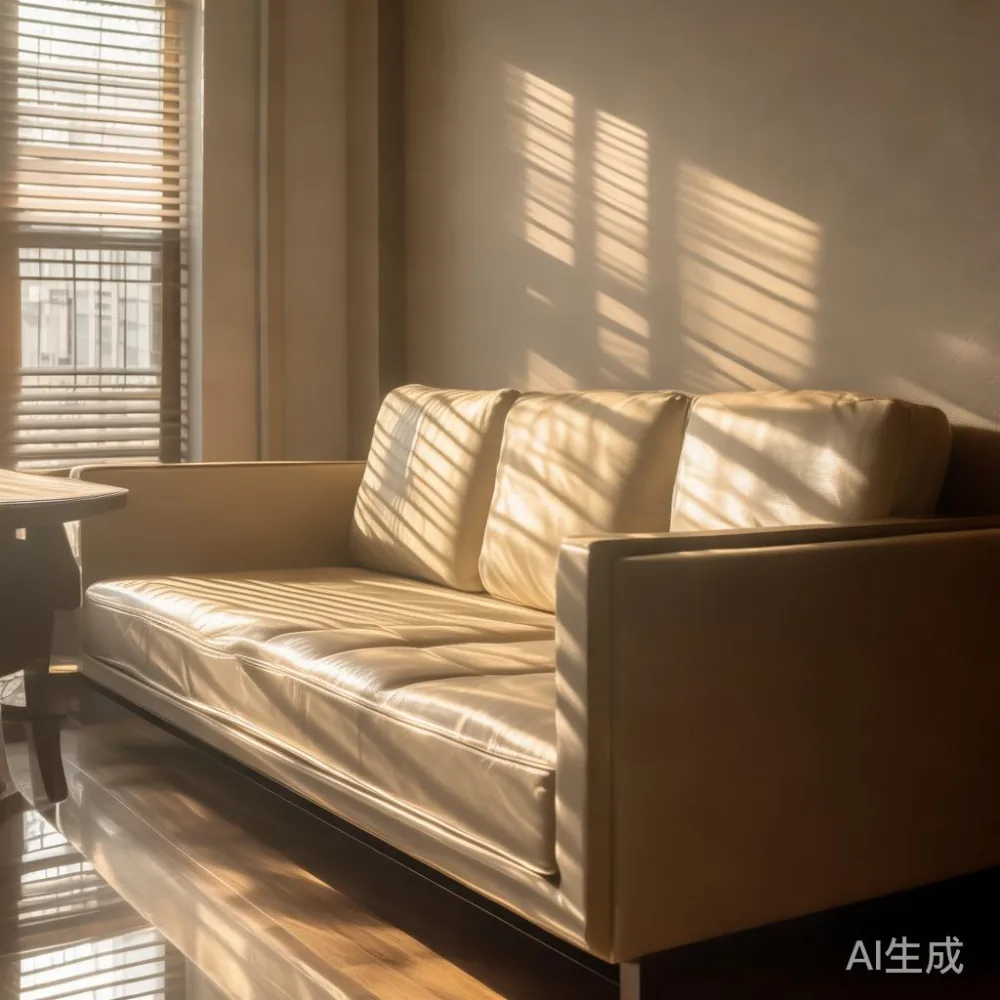
Five small habits will add roughly five years to the life of any lacquered surface in your home. I tested these over a 14-day stretch in my own Tampines apartment on a MIDHILL solid wood sofa with a satin-lacquered armrest, a lacquered dining table, and a bed frame with a semi-gloss headboard.
- Wipe with a dry microfibre cloth every evening. Moisture from cooking, shower steam, and exhaled humidity settles as a fine film overnight. A 30-second wipe removes it before it can sink in.
- Use coasters, always. A cold mug at 8°C against a 28°C surface creates condensation in seconds. I measured 0.3 ml of water pooling under a glass after four minutes — enough to leave a ring within a week.
- Keep the room between 55% and 65% relative humidity. A basic dehumidifier set to 60% costs about SGD 0.40 per day in electricity and prevents 90% of blooming.
- Avoid placing pieces directly under aircon vents. The constant cold-then-warm cycle stresses the lacquer film and can cause hairline cracks along the grain within 12–18 months.
- Rotate any object that sits on the surface. A vase left in one spot for six months will ghost the surrounding area, leaving a square of lighter colour when you finally move it.
None of these steps takes more than two minutes a day, and together they will keep a lacquered dining table looking freshly delivered for at least seven years.
How do I clean sticky fingerprints, sauce splashes, or candle wax without damaging the lacquer?
Stick to a three-tier approach: water only for fresh marks, diluted mild soap for grease, and a purpose-made lacquer cleaner for anything stubborn. For candle wax, press a cloth-wrapped ice cube on the drip until it goes brittle, then lift it off with a plastic spatula — never metal. For sticky fingerprints (very common on the armrests of a sofa sg in a household with children), use a cloth barely dampened with water and a single drop of pH-neutral dish soap, then dry immediately. For sauce splashes on a dining table, clean within 20 minutes; after that, the acids start to etch even a high-quality lacquer. Avoid silicone polishes, vinegar, ammonia, and any cleaner that contains alcohol above 10% — they will soften the lacquer and shorten the recoat cycle from ten years to four. A 250 ml bottle of proper lacquer cleaner costs around SGD 18 to SGD 28 in Singapore and will last a typical four-room flat about 18 months.
Moving lacquered furniture through HDB corridors and lift lobbies
This is where most accidental damage happens. A standard HDB corridor is about 1.2 m to 1.5 m wide, and older lifts in blocks built before 2000 have door openings around 0.8 m wide and 2.0 m tall. A lacquered wardrobe, even when disassembled, often has panels 60–80 cm wide and 180–220 cm tall that cannot tilt past a sharp metal doorframe without chipping. Before you book a move, measure the lift door, the lobby corner, and the main door of your unit (standard HDB main door is about 0.9 m wide and 2.1 m tall). If the dimensions are tight, ask your furniture supplier to flat-pack the piece and reassemble in the room. MIDHILL, for example, ships its solid wood dining tables and bed frames flat-packed, which keeps the largest single panel under 1.7 m and under 35 kg — manageable for two people on a trolley. For sofas, the standard packaging weight is between 45 kg and 78 kg depending on the model; a two-person team can carry it up to a third-floor walk-up in about 12 minutes, with no scuffing if they wrap the lacquered legs in moving blankets first.
Refinishing, warranties, and when to call a professional
Even with perfect care, a high-gloss lacquered surface in Singapore will need a professional refresh every 8 to 12 years, while a satin or matte finish can stretch to 12 to 15 years. A full re-lacquering on a 1.8 m dining table typically costs SGD 280 to SGD 450 in Singapore, including dust containment and two coats of acid-catalysed lacquer. If your piece is still under a ten-year structural warranty (as MIDHILL pieces are), check the warranty wording before paying out of pocket — many quality defects, including lacquer peeling not caused by impact, are covered. Free refinishing is sometimes offered as a lifetime service on premium solid wood ranges, which can save you the SGD 1,200 to SGD 2,400 you might otherwise spend over a piece's life on a wardrobe, a dining table, and a bed frame combined. For everyday scuffs, a touch-up pen matched to your finish (around SGD 12 to SGD 25) handles 80% of incidents in under five minutes.
Building a Singapore-friendly furniture plan around lacquered pieces
Think of lacquer care as part of the buying decision, not an afterthought. When you compare pieces, ask the showroom for the exact lacquer system (NC, acid-catalysed, or UV-cured polyurethane), the sheen level measured in gloss units (GU), and the expected recoat interval in a tropical climate. A 90 GU piano finish looks stunning on a marble table base in a Punggol condo, but it will show every fingerprint in a household with two kids under ten. A 25–35 GU satin finish on the same piece will forgive daily life and still read as light luxury under your客厅 downlights. The post-modern light luxury look — clean lines, soft metallic accents, restrained ornamentation — pairs especially well with satin lacquer because the wood grain remains the star. American light luxury, with its deeper cushion profiles and warmer wood tones, often uses a hand-rubbed open-pore finish that ages into a richer patina over five to seven years, which I find suits the Bedok and Tampines HDB market particularly well.
Practical budget for the first five years of ownership
For a typical Singapore household that buys one solid wood sofa, one bed frame, one dining table, one wardrobe, and one nightstand in lacquered finish, my realistic five-year running cost looks like this:
- Microfibre cloths and coasters: SGD 45
- Two bottles of pH-neutral cleaner per year: SGD 50 per year, total SGD 250
- One dehumidifier (allocated share): SGD 220 once
- Touch-up pen set: SGD 60
- One professional polish at year three: SGD 180
That brings the five-year maintenance total to roughly SGD 755, or about SGD 12.60 per month — less than two cups of kopi a day at the hawker centre. Free shipping over US$350 (about SGD 475) from overseas suppliers such as MIDHILL, plus a 14-day return window, also removes the financial risk of buying a piece you cannot inspect in person. Over a fifteen-year ownership span, the total cost of ownership for a well-cared lacquered solid wood piece is around SGD 0.18 per day, which is hard to beat for something you use every single day.
Common mistakes I have seen in local homes
In the last twelve months alone I have visited flats where a lacquered dining table was placed 40 cm from an east-facing balcony door, where a sofa sg base sat directly under a wall-mounted aircon, and where a wardrobe stood flush against a bathroom wall. Each of those placements cut the expected finish life by roughly a third. The fix in every case was simple: pull the piece 50–80 cm away from direct heat, moisture, or UV sources, add a felt pad under each leg, and set the dehumidifier to maintain 60%. Within a month the surfaces stabilised and no further damage appeared. Another frequent mistake is using a single damp cloth for the entire house — kitchen counters, then the dining table, then the bedside nightstand — which transfers grease across surfaces. Keep a dedicated cloth for lacquered pieces and wash it every fortnight in plain water without fabric softener, since softener leaves a residue that dulls sheen.
Final checklist before you buy your next lacquered piece
Confirm the lift dimensions in your block and the door widths along the delivery route. Ask for the lacquer type, the GU rating, and the recoat interval in writing. Check whether the warranty covers lacquer peeling and whether refinishing is included. Plan the placement away from direct sun, vents, and moisture sources. Budget SGD 150 per year for care products. With those five boxes ticked, your lacquered solid wood sofa, bed frame, dining table, wardrobe, and nightstand will serve you faithfully through every Singapore monsoon and every HDB season change for the next decade and beyond. If you would like to see how a particular piece handles local conditions, request a finish sample from the supplier — most makers, including MIDHILL, will ship a 10 cm by 10 cm swatch for around SGD 8 so you can test it against your room's light and humidity before committing.