decoding furniture warranties: A Singapore Homeowner's Guide
As homeowners in Singapore, particularly those living in HDB flats and condos in areas like Tampines, Bedok, and Punggol, finding the right furniture is a significant task. With limited space and specific dimensions, such as the standard 1.5m width of most HDB lift cars or the 1.2m corridor widths in older blocks, choosing pieces that fit is paramount. One aspect of furniture shopping that often gets overlooked, leading to future headaches, is the warranty. Understanding a furniture warranty can save you from potential pitfalls and ensure you get the most out of your investment in a solid wood sofa or a marble table. In this article, we'll explore how to read a furniture warranty without getting caught out, using the example of a reputable brand like MIDHILL.
What Exactly is a Furniture Warranty and Why Does it Matter in Singapore?
A furniture warranty is a formal guarantee from the manufacturer that the product will be free from defects in materials and workmanship for a specified period. In Singapore's humid climate, where wood can expand and contract, and in high-traffic homes, the structural integrity of a piece is tested. A warranty isn't just a piece of paper; it's a promise about the product's durability and the manufacturer's confidence in it. The importance is magnified when you consider the cost. A quality solid wood dining table can easily cost over SGD 3,000, and a comprehensive bed frame might set you back SGD 2,500. Protecting such an investment is not just prudent; it's financially sensible.
For Singaporeans, the warranty also speaks to the logistical challenges. Imagine buying a large wardrobe for your new Punggol apartment, only to discover a manufacturing defect after delivery. The process of arranging a return or repair can be a nightmare without a clear warranty. A good warranty, like the 10-year structural warranty offered by some brands, provides peace of mind, knowing that if a joint fails or a leg on your nightstand cracks, you have recourse. This is especially important for those who purchase designer Mid-century modern furniture, where both aesthetics and construction quality are high priorities.

What Does a Typical Furniture Warranty Actually Cover? The Fine Print
This is where most people get tripped up. Warranties are often filled with industry-specific language that can be ambiguous. Let's break down the core components in plain English, using concrete examples relevant to the Singapore market.
What's Not Covered? The Most Important Part of Any Warranty
Understanding what a warranty excludes is just as important as knowing what it includes. Manufacturers are very specific about what they won't cover, and these exclusions are where many claims fall flat. Here are the most common exclusions to watch out for:
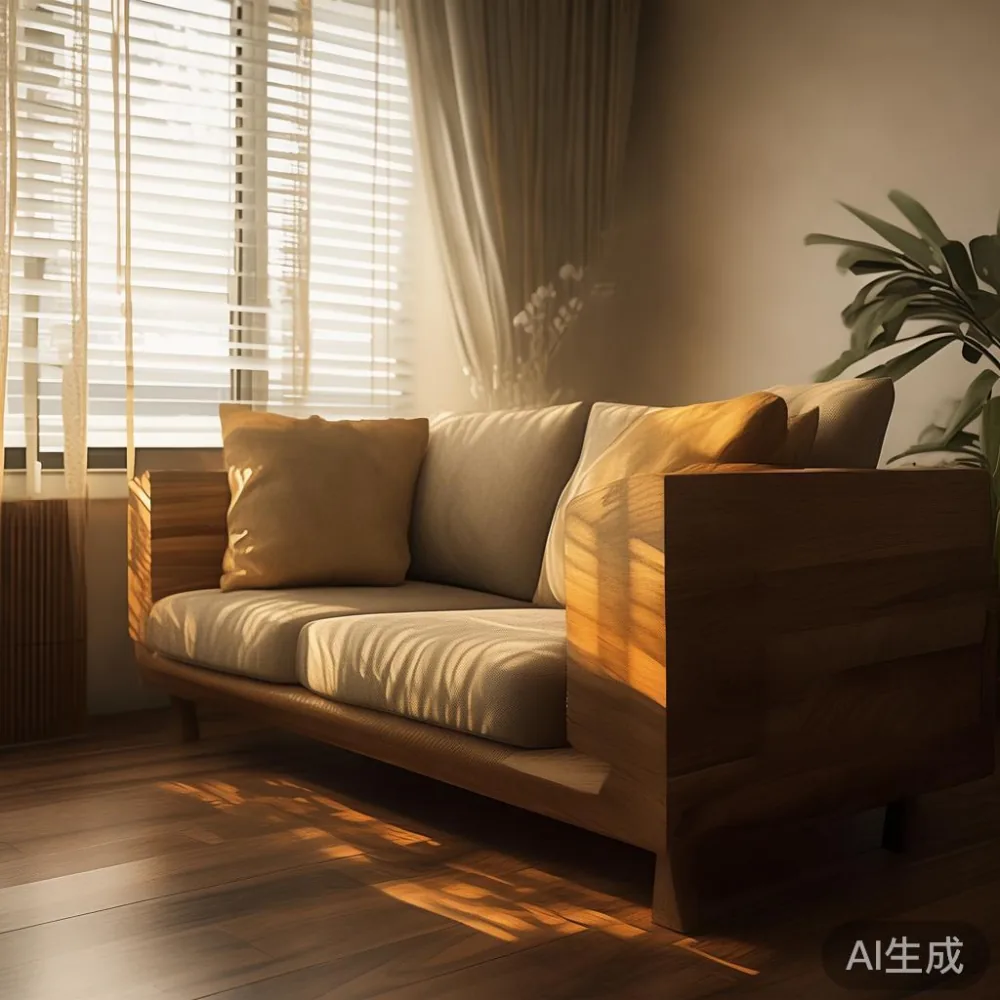
- Normal Wear and Tear: This is the most common exclusion. A warranty will not cover the gradual softening of a sofa cushion or the natural fading of fabric from sunlight exposure in a condo with large windows. For a Minimalist for small living room setup, where the sofa might see more daily use, this is a key point.
- Damage from Improper Use or Mishandling: If you stand on your marble table to change a lightbulb or your pet scratches the legs of a solid wood bed frame, this damage is not covered. This also includes moving the furniture without proper disassembly, which is a common issue when working through Singapore's narrow corridors.
- Environmental Damage: In Singapore, this can mean damage from excessive humidity, like warping or mould, if the furniture is placed in an unventilated bathroom or directly next to an air-conditioning unit that drips.
- Modifications or Repairs by Unauthorised Persons: If you hire a local carpenter in Bedok to repair a wobbly chair leg instead of contacting the manufacturer, you will almost certainly void your warranty.
- Acts of God: This includes damage from floods, fires, or other catastrophic events. While rare, it's a standard exclusion.
How to Spot a Red Flag in a Warranty Document
Not all warranties are created equal. Some are comprehensive and customer-friendly, while others are so restrictive they are practically useless. Here are red flags to watch for that indicate a warranty might not be as strong as it appears:
1. Vague or Overly Broad Language Warranties that say the company will "fix any problem" or "cover all defects" without specific definitions are a red flag. A reputable warranty will be precise. For example, instead of "defects in workmanship," it will specify "defective joinery causing structural failure."
2. Extremely Short Duration A one-year warranty on a solid wood dining table is a sign that the manufacturer may not have confidence in its long-term durability. For high-end pieces, a 5 to 10-year warranty is a more reasonable standard.
3. High Costs or Complicated Claims Processes If the warranty requires you to pay for shipping both ways, which can cost SGD 150 or more for a large item, or if it demands multiple forms of proof of purchase and professional inspection reports for a simple issue, it's designed to discourage claims.
4. Lack of Specifics on What is Covered A warranty that only says "covers the frame" but doesn't specify the springs, cushions, or wood components is leaving out critical details. A good warranty will itemise what is covered for each part of the furniture.
My Real-Life Experience: A Sofa Warranty in Action in Tampines
Last month, I visited a colleague who lives in a Tampines HDB flat. She had recently purchased a large sofa sg from a well-known brand. The sofa, an Italian light luxury with storage model, was delivered and looked stunning, but after a week, she noticed a significant dip in one of the main seating cushions. She sat on it and felt the support frame underneath giving way.
She was worried the process would be difficult. She contacted the manufacturer's customer service, provided her proof of purchase, and sent photos and a short video of the defect. To her surprise, the company acknowledged the issue was a manufacturing defect in the internal spring system. They arranged for a technician to visit her home within 5 days. The technician confirmed the fault and ordered a replacement cushion, which arrived and was installed 10 days later, all at no cost to her. This experience highlighted the importance of a clear warranty and a responsive local service network. For those looking for for sale Japandi furniture or other styles, knowing a similar support system exists is a huge comfort.
Comparing Warranties: A Side-by-Side Look
To illustrate the differences, let's compare two hypothetical warranties for a solid wood bed frame. This table breaks down the key aspects you should scrutinise before making a purchase.
| Warranty Aspect | Brand A (Standard Warranty) | Brand B (Premium Warranty) |
|---|---|---|
| Structural Frame | 1 year | 10 years |
| Wood Finish | 6 months | Lifetime (against peeling, cracking) |
| Hardware & Mechanisms | Not specified | 5 years (e.g., drawer slides, hinges) |
| Customer Cost for Warranty Service | Customer pays for transport of replacement parts | Free parts and labour for covered issues |
| Claim Process | Must submit a form via email with photos; response within 7 business days | 24/7 online claim portal; phone support; response within 48 hours |
As you can see, Brand B's warranty is far more comprehensive. It covers the frame for a decade, offers a lifetime guarantee on the finish (a major plus in Singapore's climate), specifies coverage for hardware, and promises no out-of-pocket costs for repairs. This level of detail and customer protection is what you should look for when investing in a significant piece of furniture like an European light luxury for bedroom set.
What to Do Before You Buy: Your Pre-Purchase Warranty Checklist
Don't wait until you have a problem to read the warranty. Do your homework beforehand. Here is a checklist to run through when you're considering a purchase, whether it's a sofa sg for your living room or a Mid-century modern dressing table for your bedroom.
- Ask for the Full Warranty Document: Don't just accept the summary on the product page or in the showroom. Ask the salesperson for the complete, official warranty document. A reputable brand like MIDHILL will provide this readily.
- Check the Duration Against the Product Type: A sofa's warranty on cushions will be shorter than the warranty on its frame. A marble table's warranty might cover cracks but not etching from acidic liquids. Ensure the durations match the product's expected lifespan.
- Inquire About the Service Network in Singapore: A warranty is only as good as the company's ability to service it. Ask: "If I have an issue in Tampines, who do I call? Is there a local technician or do I have to ship the item?" A brand with a strong presence in Singapore will have a local support system.
- Understand the Delivery and Installation Terms: Some warranties are void if the item is not installed by their certified team. For large items like wardrobes that need to fit into a specific HDB space, this can be an important consideration.
- Look for the GST Factor: Remember that the price you pay includes 9% GST. Ensure that any warranty service or replacement parts also do not incur additional GST charges, which would be an unexpected expense.
Ultimately, a furniture warranty is a reflection of a brand's commitment to quality and customer satisfaction. By learning to read it carefully, you can move beyond the marketing claims and make a truly informed decision. Whether you are furnishing a new condo in Punggol or upgrading your HDB flat in Bedok, a well-understood warranty is your best protection for years of enjoyment from your furniture. It ensures that the beautiful designer Mid-century modern furniture you choose today remains a source of pride in your home for decades to come.