Coping with Humidity: Solid Wood Furniture in Singapore's Climate
Singapore’s tropical climate can make solid wood furniture move, swell, check, or lose its fit if humidity is not managed carefully. The effect is especially noticeable in HDB flats and condos in Tampines, Bedok, and Punggol, where rooms may warm up quickly, receive little direct airflow, and contain tightly fitted furniture. Understanding how moisture enters and leaves timber helps owners protect a solid wood sofa, bed frame, dining table, wardrobe, or nightstand without sacrificing its appearance.
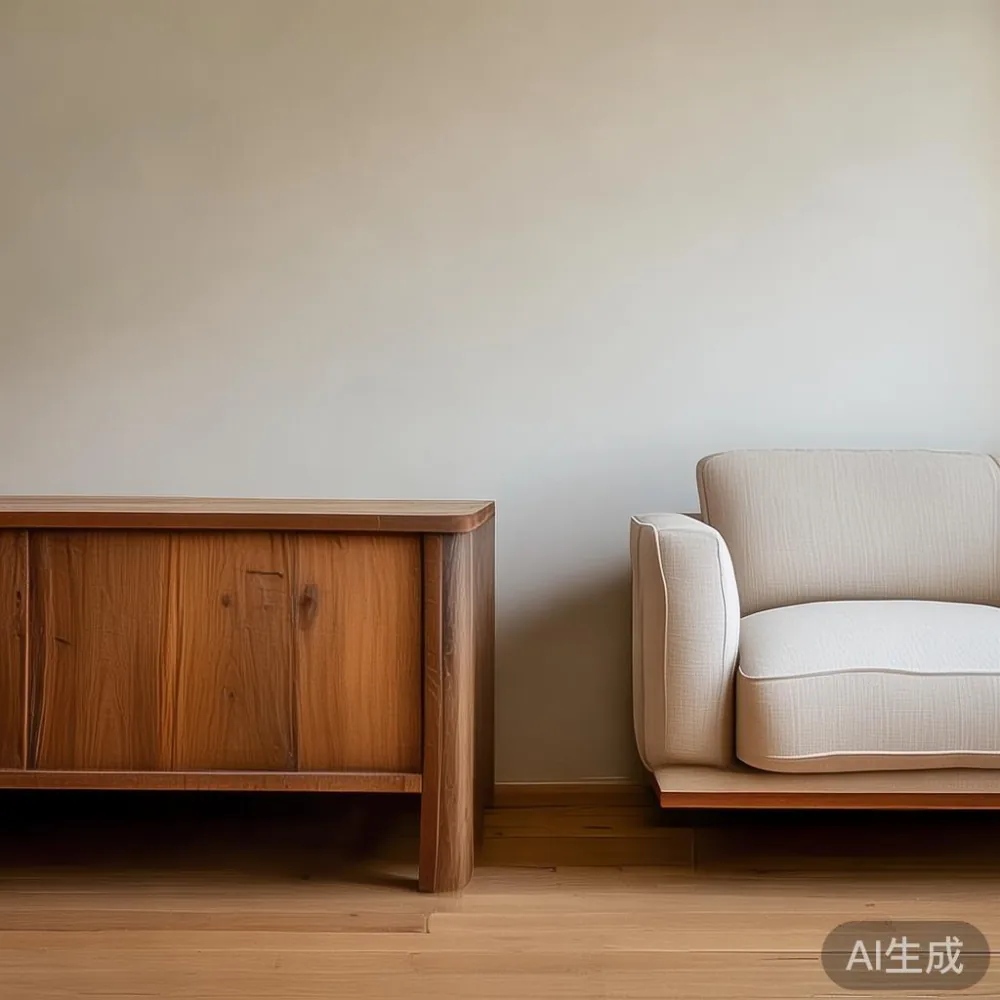
For Singapore households, the goal is not to keep wood perfectly motionless. It is to reduce rapid moisture changes, maintain sensible indoor conditions, and choose pieces made for long-term use. MIDHILL designs solid wood furniture with this tropical environment in mind, backed by a 10-year structural warranty and lifetime refinishing service.
Why does humidity affect solid wood furniture?
Wood is hygroscopic: it absorbs moisture from the surrounding air and releases it when the air becomes drier. In Singapore, outdoor relative humidity commonly reaches 80% or higher during wet periods. A timber dining table near an open balcony or a bed frame beside a frequently opened bedroom door can absorb moisture faster than a piece positioned away from air movement.
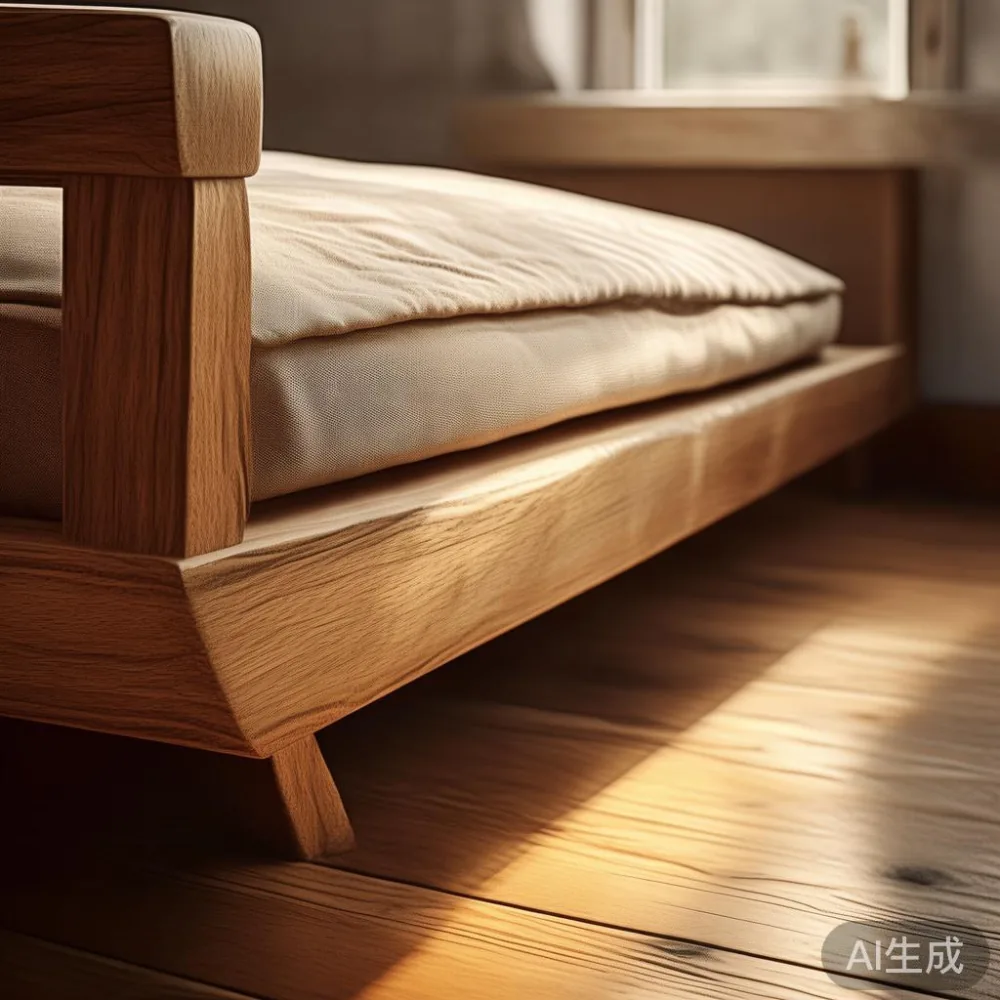
Expansion is not always visible. A 180 cm dining table may gain 2–4 mm across its width as humidity rises, while a 150 cm solid wood sofa frame may shift by 1–3 mm around its joints. Movement along the grain is generally more pronounced than movement across it. Small changes are normal; repeated swelling and drying can loosen joinery, cause surface checking, or make doors and drawers feel uneven.
Engineered panels and solid timber do not behave identically. A 25 mm solid wood top can expand and contract more noticeably than a thinner veneered panel with a stable core. Veneer may also show tiny lifts along its edges if moisture changes quickly. Solid wood offers repairability and a distinctive grain, but it still requires thoughtful placement and care.
Air-conditioning helps because it lowers both temperature and moisture. A room maintained near 24–26°C and 50–60% relative humidity usually gives wood more stable conditions than an unconditioned space at 29–32°C and 80–90% humidity. Exact readings vary by building, season, and level of use, so a simple hygrometer remains useful.
What humidity level is comfortable for Singapore wood furniture?
Try to keep occupied indoor areas between 50% and 65% relative humidity when practical. Short periods above 70% are less concerning than frequent swings of 20 percentage points or more. The key is consistency, not chasing a single number.
Place a hygrometer near the furniture rather than directly beside a vent. If the reading changes by more than 10% within 24 hours, move the piece away from the air-conditioning outlet, windows, bathroom doors, and balcony access. Aim for stable readings within a 10% band over several days.
Singapore homes frequently have limited corridor and lift dimensions, so furniture placement may involve tight routes. A solid wood sofa ordered for an HDB living room should be measured before delivery, including the lift door, common corridor, and turning space. MIDHILL can work from room dimensions, but owners should also verify whether the packaged item will fit through narrow turns and whether assembly can happen inside the flat.
How should I keep a solid wood sofa safe from moisture?
Keep a solid wood sofa at least 30–60 cm from an open window or balcony door where practical, and avoid placing it against an external wall that stays cold during heavy rain. Exterior walls in some HDB blocks can encourage condensation on nearby surfaces. Leave enough space behind the sofa for air to circulate and use a breathable fabric or washable cover rather than sealing the frame in plastic.
Leather and performance upholstery require a different response from bare timber. Wipe damp areas promptly and keep at least 20–30 cm from a humidifier or direct vent stream. For fabric seating, vacuum every 1–2 weeks and clean spills within 24 hours. If the frame has been exposed to dampness, dry it with airflow rather than a high-heat blower set above 40°C.
Buyers comparing sofa sg options should check frame construction, corner reinforcement, finish coverage, and after-sales support. A solid wood sofa with properly joined rails and a breathable finish is better suited to tropical conditions than one with excessive glue-heavy construction or an airtight lacquer layer. A MIDHILL sofa should be specified with the room’s ventilation and access constraints in mind, not only its colour.
For smaller apartments, searching for how to style Japanese sofa in apartment layouts can lead to low-profile seating that suits compact rooms. The Japanese-inspired approach emphasizes proportion and restraint rather than oversized proportions. A 180–210 cm sofa may suit a wider HDB living room, while a 140–170 cm model can work in a condo study. Leave roughly 60–75 cm for a primary walkway and 90 cm in front of seat cushions where people walk frequently.
How do bed frames and wardrobes respond to damp air?
A bed frame sits close to the floor, where humidity and trapped dust can affect the underside. For a typical queen bed measuring 150 × 200 cm, lift it 10–20 cm off the floor where possible and place it away from an exterior corner. Check that all levelling feet are fitted correctly; an uneven frame can place extra stress on joints as the wood moves.
Do not trap a bed frame in fitted sheet-plastic covers during humid months. Such covers can retain moisture around the timber. Use breathable bedding, rotate mattress position every 2–3 months, and inspect the frame twice a year for mould marks, dark spots, or swollen joints. If dampness appears within 24 hours of rain, increase ventilation and arrange a professional inspection rather than repeatedly sanding the surface.
A wardrobe needs airflow inside as well as around its exterior. Leave gaps behind movable panels and avoid pushing a freestanding unit tightly into a damp corner. Check door gaps every 3–6 months, because seasonal movement may require hinge adjustment. MIDHILL’s 10-year structural warranty provides reassurance for joinery, while the lifetime refinishing service supports the restoration of surface wear over the years.
Design comparisons such as Japanese bed vs Mid-century modern bed often focus on shape, but local conditions matter too. A platform-style Japanese bed may sit low and suit a compact Tampines flat, while a raised Mid-century modern bed offers easier under-bed inspection. Neither style solves humidity by itself; placement, finish, and maintenance determine how well either design ages.
Will a dining table warp near an open kitchen?
Singapore kitchens often combine cooking heat, washing humidity, and air-conditioning that switches on and off. A dining table near a doorway can experience wider swings than one in the centre of a conditioned living area. Keep a 200 cm dining table at least 1 metre from a sink or open balcony where feasible, and do not place hot pots directly on the timber. Use a heat-resistant trivet with a minimum 90°C rating and avoid leaving damp cloths on the surface for more than 15–20 minutes.
For apartment interiors, Nordic for dining room is a useful direction because pale timber and clean lines can make compact rooms feel more open. Pair a 140–160 cm table with 4–6 chairs in a typical HDB dining zone, allowing at least 75 cm behind each seated position. In a condo dining area with floor-to-ceiling glazing, curtains help limit direct sun and rain-driven humidity, but they should not press against the table.
Check the top annually for splits, cupping, or lifted edges. Tiny surface checks can sometimes be cleaned and oiled, but deep cracks that cross the grain need assessment. Never attempt to flatten a warped tabletop with heavy weight; that can fracture the fibres. Instead, identify the moisture source and consult the maker.
Is solid wood still practical in Singapore’s humid climate?
Yes, with realistic expectations and a few maintenance habits. Solid wood furniture is practical when owners allow seasonal movement, control direct moisture exposure, and arrange refinishing before wear becomes severe. A well-built solid wood sofa, bed frame, dining table, wardrobe, or nightstand can remain serviceable for decades because damaged timber can often be sanded and refinished instead of replaced.
Light-luxury design also fits humid interiors when it avoids overly glossy, moisture-sensitive finishes. French light luxury, with pale woods, gentle curves, and upholstered softness, works well in a bright HDB flat if fabrics are washable. American light luxury may use warmer oak tones and broader forms; post-modern light luxury can combine geometric frames with restrained detailing. In all three styles, the material still needs care.
For a home office, European light luxury for office interiors calls for controlled polish and practical finishes. A marble table introduces another material into the room: the stone itself is moisture-resistant, but its wooden base and metal fittings should be kept away from damp cleaning splashes. Use a coaster beneath drinks and wipe marble within 10 minutes, since acidic liquids can mark the surface.
Design comparisons such as American bed vs French provincial bed may involve ornate details, yet both need the same climate checks. Likewise, Japanese sofa vs Japandi sofa is mostly a matter of visual language, cushion height, and room proportion. The less glamorous questions remain the same: Is the frame solid wood? Are the corners reinforced? Can the piece be moved through the lift? Can scratches be refinished?
What should I do if a wooden surface feels damp or develops mould?
Do not bleach bare wood immediately. First remove loose dirt with a dry cloth, improve ventilation, and isolate the piece from carpets or skirting boards. For a lightly affected nightstand or table leg, a product labelled for wood-safe cleaning may be used sparingly; test it on a hidden area and follow the instructions. Never saturate timber.
Measure the room humidity before and after cleaning. If readings remain above 70% for several days, consider a dehumidifier rated for the room area. A bedroom of 12 square metres may need a unit with a practical water-removal capacity of 10–16 litres per day rather than a small model intended for a tiny cupboard. Empty the tank every 1–2 days and keep it away from furniture and walls.
Persistent black spotting, a musty smell, or swollen joints should be inspected by a professional. Do not use steam cleaners on solid wood, and avoid excessive pressure washing. If the damage is structural, contact the manufacturer before repairing it yourself.
How can Singapore buyers plan delivery, returns, and long-term care?
Measure the complete route before ordering: sofa carton width, lift door width, lift depth, corridor turns, and the receiving room’s narrowest opening. For example, a sofa packed in a 96 × 48 × 52 cm carton may fit a standard lift but fail at a tight 90 cm corridor turn. Add 5–10 cm of clearance when the package must be tilted. For stairs, check handrails, landings, and the number of movers required.
Delivery should be arranged for a 1–3 day window, ideally when someone can receive the furniture. Inspect visible surfaces, check the package for water marks, and photograph the condition before assembly. For a bed frame, confirm the slat spacing is no more than about 8–10 cm for common foam mattresses. For a dining table, check that all legs and fixings are included before tightening everything.
Under Singapore’s consumer framework, buyers should keep the invoice, warranty documents, and delivery records. MIDHILL provides a 14-day return window, free shipping for orders above US$350, and delivery arrangements based on the destination and product size. Prices shown to Singapore customers should be stated in SGD, including GST where applicable. For example, a SGD 2,400 dining table before GST becomes SGD 2,640 at the standard 10% rate; access charges, if any, should be confirmed before dispatch.
Last month, I visited a friend’s three-bedroom HDB flat in Bedok after several wet days. The timber nightstand beside the bedroom window showed a damp underside, while the wardrobe on an internal wall remained stable. We moved the nightstand 40 cm away from the window, reduced the daily shower humidity by keeping the bathroom door closed, and used a small hygrometer. Within 4 days, the reading settled from 76% to 64%, and the drawer began closing evenly again. The episode confirmed that placement often matters as much as the furniture itself.
Simple habits that protect wood for 10 years and beyond
Use a hygrometer, keep furniture 30–60 cm from open windows where practical, maintain 50–65% relative humidity when possible, and respond quickly to spills. Inspect sofa frames, table undersides, bed rails, wardrobe hinges, and nightstand feet every 6 months. Clean gently with a lightly damp cloth, dry immediately, and keep heat-producing appliances at least 30 cm from timber.
For bedroom choices, Japanese bed vs Mid-century modern bed can be evaluated alongside moisture exposure rather than style alone. For living areas, sofa sg search results should include the frame material, dimensions, finish type, and delivery route—not only appearance. MIDHILL’s 10-year structural warranty and lifetime refinishing reflect the idea that solid wood is a long-term relationship rather than a disposable purchase.
In Singapore, good furniture ownership means accepting that wood moves. With stable indoor conditions and sensible care, a solid wood sofa, bed frame, dining table, wardrobe, nightstand, or marble-topped accent piece can retain its structure and character through many humid seasons.