How Humidity Affects Solid Wood Furniture in Singapore
Singapore’s tropical humidity can quietly change the dimensions, movement and surface of solid wood furniture. A dining table near an open window may absorb moisture in the afternoon, then contract in an air-conditioned evening. Over 12 months, repeated swelling and shrinkage can loosen joints, raise veneer edges or leave small gaps around doors. In a Tampines HDB flat, a sofa sg with solid timber framing may remain stable while a lighter side table experiences more obvious movement near a balcony door.
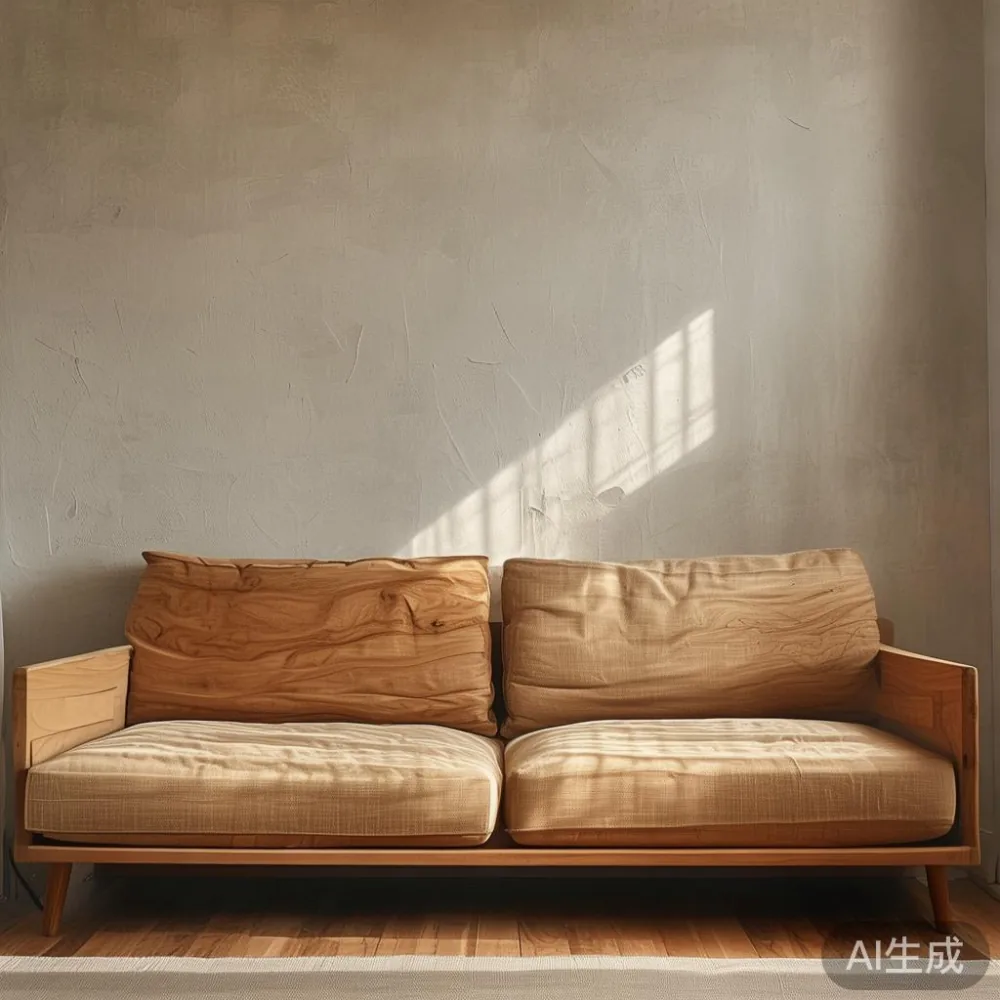
This guide explains how relative humidity affects wood, why HDB and condo interiors have different risks, and what Singaporean homeowners can do without turning their living spaces into museum rooms. It also considers lift access, corridor widths, GST and practical delivery planning when replacing or installing furniture.
What Is the Real Risk: Moisture in the Wood or Humidity in the Air?
Wood naturally adjusts to the relative humidity around it. At 60% RH, suitable indoor furniture timber usually reaches a stable moisture level of about 12%. At 80% RH, its moisture content may rise towards 16%, causing fibres to swell. When relative humidity falls to 40%, the same board can lose moisture and shrink by a small but visible amount.
The movement is not identical across a solid board. Solid wood sofa frames, bed frames and dining tables expand mainly along the grain, but panels, joints and finishes react differently. A 180 cm dining table may gain or lose roughly 2–4 mm across its width during seasonal changes. That movement matters when the table is tight against a tiled wall, fitted drawers need clearance, or a cabinet door closes against a flat carcass.
Humidity does not automatically ruin furniture. The harder problem is repeated cycling: warm, damp air enters in the morning, an air conditioner cools the room by 5–8°C before lunch, and the building’s dehumidification changes conditions again at night. Coastal wind, a bathroom doorway or a freshly painted room can make local conditions less stable than the weather app suggests.
MIDHILL selects solid timber and factory-finishes components with controlled moisture content for humid markets. That does not make the wood moisture-proof. It reduces the starting stress so the finished piece can respond more gently to Singapore’s indoor conditions.
Why Singapore HDB Flats and Condos Create Different Furniture Conditions
HDB flats often have limited airflow, compact rooms and strong dependence on air conditioning. In a typical 3-room flat, the main living area may be only 25–35 square metres, so one dehumidifier can have a noticeable effect. The door is frequently closed while the household runs the air conditioner, and the sofa sg may sit close to a shared wall that stays warmer than the middle of the room.
Condo owners face another pattern. High-rise windows often face prevailing wind, afternoon rain or a nearby swimming pool, while interiors may use floor-to-ceiling glazing. A 12 m² bedroom with sliding glass can develop higher humidity near the window than at the corridor-facing wall. A wardrobes fitted against that window should allow ventilation behind the carcass; a nightstand pressed directly against cold glass may show condensation on its underside.
Ground-floor homes and older walk-up blocks need separate attention because exterior walls and ground moisture can affect the perimeter of a room. Kitchen and bathroom connections add short, intense damp periods. In contrast, a ninth-floor Tampines unit with west-facing windows can heat up sharply at 3 p.m. Heat and humidity together are more demanding than humidity alone because they encourage finish softening and mould around nearby objects.
Rather than assuming every room should sit at one perfect number, use a hygrometer placed at sofa-seat height or beside a wardrobe. Check it at 8 a.m. and 8 p.m. for 7 days. A useful domestic target is 45–65% RH, with less than a 10-percentage-point difference between day and night.
Which Solid Wood Pieces Need the Most Attention?
A solid wood sofa should be treated as a long-term frame, not as an immovable installation. Leave 5–8 cm behind the back for inspection and airflow, especially along an exterior wall. Upholstery also deserves attention because damp foam can retain moisture inside the cover, even when the timber frame is sound.
Bed frames need clearance from floor-level moisture. Keep legs about 8–12 cm above a vinyl or tiled floor if the room regularly experiences dampness, and do not place the frame directly against a cold condensation surface. A mattress should not be trapped beneath a tightly fitted timber surround because it needs some ventilation.
Dining tables react visibly because wide tops contain long grain lines. Follow a French provincial dining table style with turned legs and a wide top only if the room has sufficient movement space. Leave at least 90 cm around a 160–180 cm table for chairs and circulation. The French provincial for dining room approach can suit a condominium, but carved details should not be positioned where condensation can settle.
Wardrobes are less tolerant of poor clearances. A 60 cm-wide wardrobe may need 3–5 cm of rear space for airflow and service access. In a compact HDB bedroom, an open rail can use the room more efficiently than a tightly fitted solid wood carcass. Doors need room to open without striking a skirting board.
Nightstands should stay away from bathroom doors and windows that fog in the morning. A marble table is less prone to dimensional change than timber because marble does not swell with humidity, although its setting should still be checked for levelness. Its weight also affects delivery planning: a 100 cm marble top may weigh 55–75 kg, so installers need 2 people and suitable lifting straps.
How Do You Choose Furniture That Can Handle Singapore’s Climate?
Ask for the timber species, moisture-content information, joinery method and finish compatibility. Kiln-dried hardwood with a stated 8–12% moisture content is generally more suitable for conditioned interiors than stock stored in a damp warehouse. The exact acceptable range depends on the local service condition, so inspection matters more than a species name alone.
Look for furniture that can tolerate small movements: drawers should run on wood slides or adjustable hardware, panels should have floating construction, and solid timber should not be glued permanently against masonry. If you are comparing a Japanese for small living room layout, prioritise dimensions and airflow before decorative grain. In a Punggol studio of 18–25 square metres, a 150 cm solid wood sofa can work with a 90 cm coffee table, while a 200 cm sofa can restrict a common passage to less than 60 cm.
Finishes also influence how moisture problems appear. Water-based polyurethane tends to remain clear and repairable, while oil and wax finishes can be periodically renewed. A matte surface may show moisture-related hazing more readily than a satin finish. Ask whether the coating can be recoated locally and avoid trapping an unventilated wardrobe against a shower wall.
For a larger project, the question “is European sofa worth it” should include delivery, access and climate performance, not only appearance. A European-inspired solid wood sofa may suit an open condo living room, but the frame still needs proper clearance. An American light luxury direction, with broad arms and pale timber, can work well in a contemporary HDB interior when restrained finishes keep the visual effect light.
How Much Space Do Delivery Teams Need in an HDB Lift or Condo Corridor?
Humidity protection cannot compensate for damage caused during installation. Before ordering, measure the lift door, lift car, turning corners, corridor and final doorway. A standard HDB lift may have a door opening around 90 cm and a car depth of 130–140 cm, but buildings vary. A dining table longer than 150 cm may need to be turned upright, while a solid wood sofa can block a narrow corridor even if it fits in the lift.
Useful measurements include the narrowest lift-door width, the internal lift diagonal, the corridor width, the staircase handrail clearance and the width at any 90-degree turn. For a 180 cm dining table, add 10–20 cm to the lift-car diagonal when assessing a vertical lift position. Record door-opening swing and the space required to manoeuvre the load on the landing.
Condo loading bays often require a booking, while freight lifts may have rules about protective wrapping and move-in timing. Confirm whether the supplier can deliver to the lobby, place the item in the room or assemble it beside the installation position. Add approximately SGD 80–180 for a second-person delivery service in Singapore, depending on distance and item weight. GST at 9% should be shown separately on the final quotation.
Protection is especially important in damp conditions. Wrapping keeps rain and handling moisture off the finish, but it should not remain around furniture for more than 24–48 hours after delivery. Remove cardboard and polyethylene from the room so trapped moisture does not settle against timber panels.
What Can You Do Indoors to Reduce Humidity Damage?
Start by measuring, not guessing. A digital hygrometer costing SGD 25–60 can record the difference between a sofa sg near the balcony and a bed frame beside an internal wall. If readings exceed 65% for several hours, improve air movement or run a dehumidifier. A unit rated for 15–25 m² may suit a compact HDB room, although actual capacity depends on temperature, seals and closed doors.
Use air conditioning for temperature control, but open doors or run controlled ventilation during drier periods. Close windows and curtains when outdoor humidity is high, particularly from late afternoon to night. Run the dehumidifier after showering, empty its tank every 24 hours, and clean the filter every 2–4 weeks. Position it away from walls so air can circulate across the room.
For a built-in wardrobe, keep 3–5 cm behind the unit and inspect skirting-level gaps every 6 months. Wipe condensation from nearby nightstands promptly and use felt pads under legs. Do not place fresh wood furniture against a damp wall or inside an enclosed balcony before the balcony’s relative humidity resembles the room.
Small objects can trigger musty odours before the furniture itself changes. Use desiccant packs in closed wardrobes and replace them once every 2–3 months in humid periods. Keep shoes, damp towels and laundry away from solid timber storage areas.
How Do You Maintain a Solid Wood Finish in a Tropical Climate?
Make maintenance calendar-based. Check the dining table surface every 3 months for open grain, lifting finish or white haze. Clean with a slightly damp cloth and dry immediately; avoid ammonia, silicone polish and soaking the top. Coaster use matters more than aggressive polishing because a 200 ml ring of water can darken a water-based finish before it evaporates.
For a wardrobe, inspect hinges and runners at 6-month intervals because seasonal movement can change alignment. Tighten screws gradually rather than forcing a swollen door. For an oil-finished nightstand, apply a thin maintenance coat every 6–12 months, following the coating supplier’s instructions. Test an inconspicuous area first and allow the finish to cure for the stated period.
Keep solid wood furniture away from direct air-conditioner outlets. A stream of cold air can increase surface-temperature variation, while a 16–20°C air conditioner in a 29°C room may encourage local condensation. Aim for a distance of at least 1 m when possible, and never aim airflow directly at a marble table or wardrobe side.
For premium oak bedroom or dining collections, the best Italian light luxury wardrobe for 2026 is not simply the most decorative option; it needs serviceable panels, suitable internal ventilation and a finish that can be maintained locally. A practical guide to how to choose Italian light luxury wardrobe should compare internal widths, hanging space, mirror-door tolerances, hardware warranties and moisture expectations in a Singapore bedroom.
What Should You Ask Before Ordering?
<Ask the supplier 7 specific questions: What moisture content did the timber have at dispatch? Which species and finish are used? How much clearance is required behind the piece? Is the item finished before or after assembly? What are the packed dimensions and weight? Can delivery include room placement? Which parts carry structural and finish coverage?
MIDHILL was established in 2008 and exports to more than 15 countries, with a 10-year structural warranty and lifetime refinishing service for eligible pieces. Its Singapore delivery terms include free shipping above US$350, although local quotations and GST treatment should be confirmed. The 14-day returns policy provides another route for buyers who can assess access and condition requirements, subject to the stated terms.
Allow 10–20 delivery days for a ready-stock order, but check whether the chosen finish, marble table or made-to-measure wardrobe changes the timing. A bulky dining table may need a separate two-person slot. Ask the seller to provide the lift-access checklist before dispatch rather than discovering a 74 cm corridor after a 180 cm table has arrived.
The most reliable furniture is not the piece that ignores humidity. It is the piece made with stable timber, practical clearances, serviceable construction and a finish that can be maintained. In Singapore, those details protect both appearance and longevity while allowing solid wood sofa, bed frame, dining table, wardrobe and nightstand collections to fit naturally into HDB flats and condos.