Caring for a Lacquered Surface in a Tropical Climate
Moving into a new apartment in Tampines, my partner and I were determined to furnish our home with pieces that would last. We chose a solid wood sofa with a deep, glossy black lacquer finish, believing its elegance would stand the test of time. However, after just six months in our HDB flat, we noticed something alarming. The beautiful, mirror-like surface had developed a network of tiny, hazy white spots, almost like a fine dust that wouldn't wipe away. The air conditioning in our 85-square-meter unit runs almost constantly, yet the problem persisted. It was a frustrating lesson in how a tropical climate, with its ambient humidity hovering around 80% and daily temperatures averaging 31°C, can silently wage war on even the finest finishes. Our beautiful sofa sg, the centerpiece of our living room, was losing its shine.
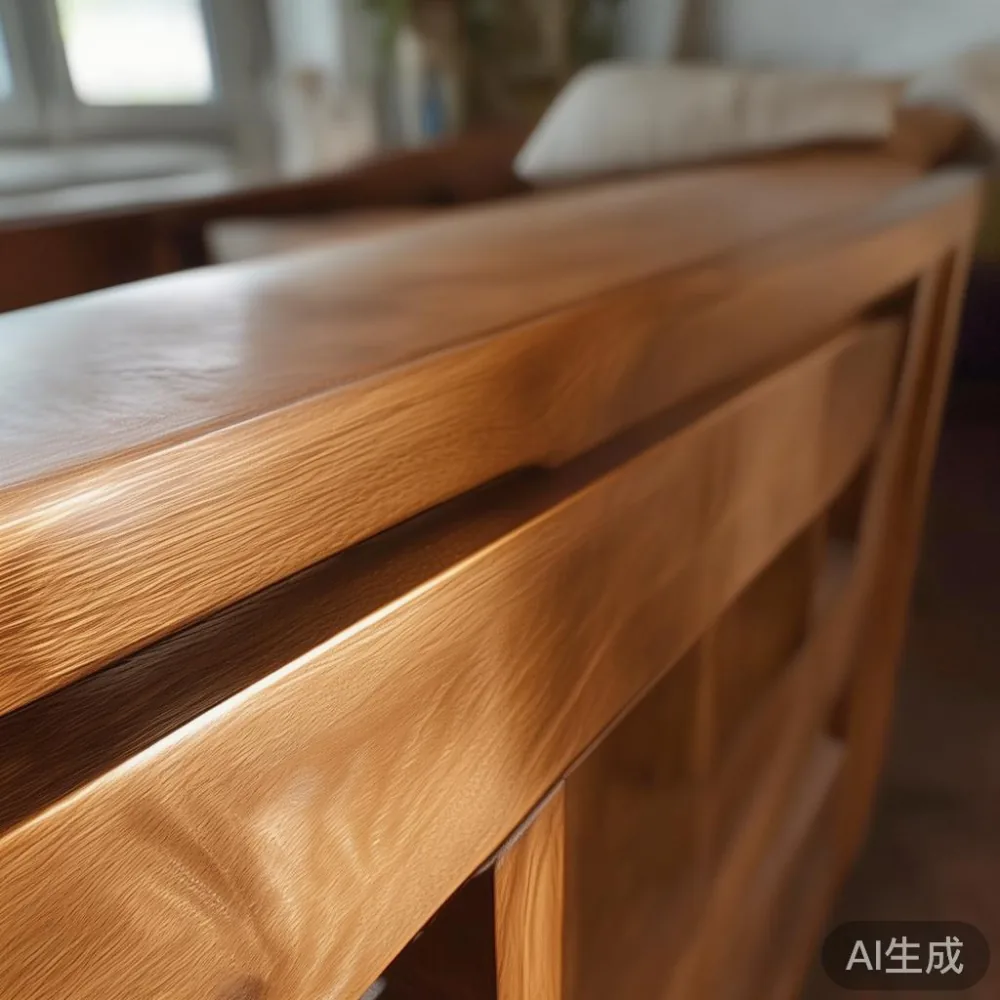
Why Does Singapore's Climate Challenge Lacquered Furniture?
Understanding the 'why' is the first step to solving any problem. Lacquer is a durable, high-gloss finish created by applying multiple layers of a clear, hard resin to a wooden surface. Each layer is sanded and polished to create an incredibly smooth, reflective barrier. This barrier is what gives lacquered furniture its signature depth and shine. In a controlled environment, like a climate-controlled showroom in Bedok, this finish can remain pristine for years. However, Singapore presents a unique and relentless challenge.
The primary enemy of lacquer is moisture. Our island nation's high relative humidity means that water molecules are constantly present in the air. These molecules are small enough to penetrate the microscopic pores in the wood grain, even beneath the protective layers of lacquer. When the temperature fluctuates—common when moving an air-conditioned room to a slightly warmer corridor or balcony—condensation can form on the cooler surface of the furniture. This trapped moisture creates a cloudy, white appearance known as 'blushing' or 'blooming'. It's not dirt, but rather water trapped within the finish, disrupting its clarity.
Another factor is thermal shock. Imagine placing a cold glass of water on a lacquered nightstand. The sudden temperature drop can cause the finish to contract slightly. In our humid climate, this contraction can draw in ambient moisture, leading to the same hazing effect. This is a particular concern for furniture placed near windows in Punggol apartments, where afternoon sun can heat a surface significantly before an air conditioner cools it down. The constant expansion and contraction, combined with humidity, can stress the lacquer over time, making it more susceptible to damage.
How Do I Clean My Lacquered Sofa sg Without Damaging It?
When you first notice the white haze on your beloved sofa sg, the instinct is to grab the strongest cleaner you can find. This is the single biggest mistake you can make. Aggressive chemical cleaners, especially those containing ammonia or alcohol, will strip away the lacquer's protective layers, causing permanent damage. The correct approach is gentle, consistent, and uses the right tools.
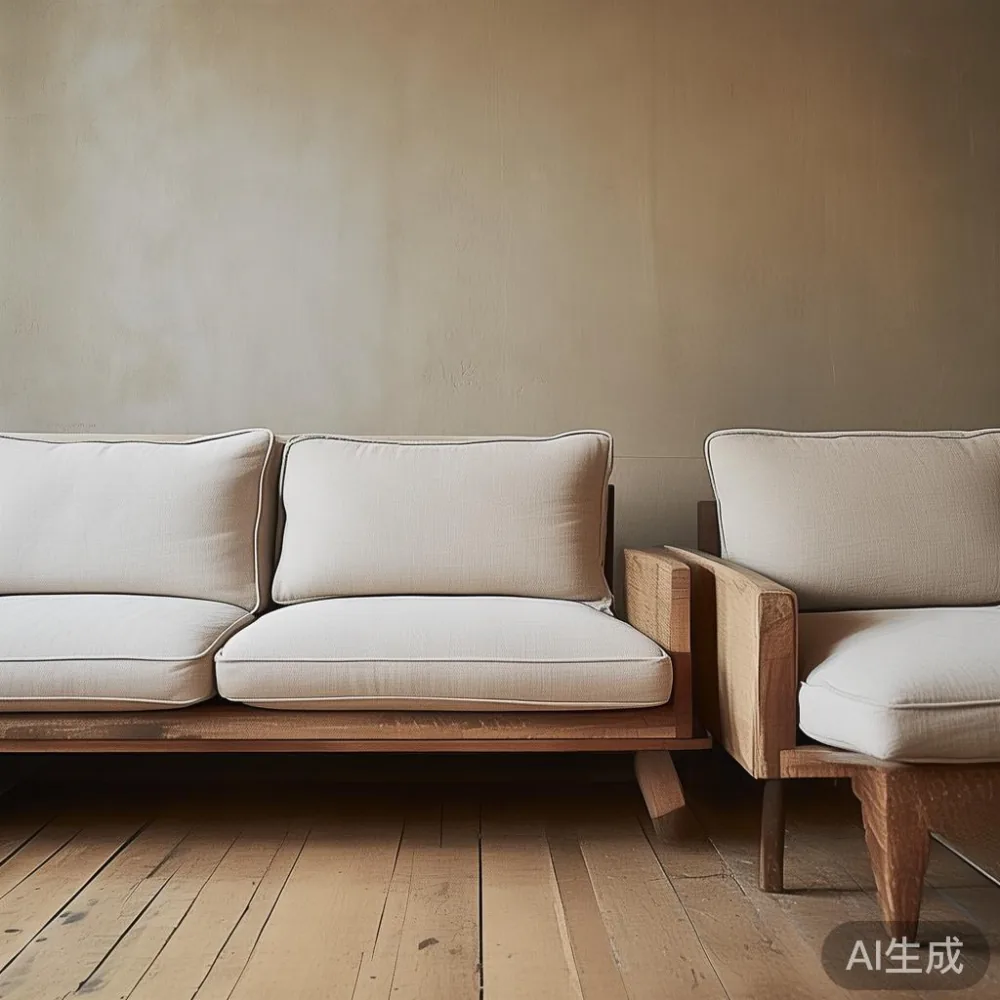
Your primary cleaning tool should be a soft, lint-free microfiber cloth. These cloths are designed to trap dust and particles without scratching the delicate surface. For a daily or weekly dusting, simply wipe the furniture with a dry microfiber cloth. This prevents abrasive dust particles from settling into the finish and being ground in during regular use. For a more thorough clean, lightly dampen another microfiber cloth with distilled water. Distilled water is preferred because it lacks the minerals found in tap water, which can leave behind spots and streaks on the lacquer.
Wring the cloth out thoroughly until it is only slightly damp, not wet. Using a circular motion, gently buff the surface. The key is minimal moisture. After wiping, immediately follow up with a dry microfiber cloth to remove any remaining dampness and polish the surface to a shine. Never use a feather duster, as its quills can scratch the finish. Avoid paper towels as well, as they can leave fine scratches and often contain wood pulp that can adhere to the surface. For my colleague's solid wood dining table, this simple two-step process with distilled water has kept his French provincial-style finish looking perfect for over 5 years in his East Coast condo.
Can I Use Furniture Polish on My Lacquered Surface?
This is a common question, and the answer requires a careful look at the product's ingredients. Many commercial furniture polishes contain silicones, waxes, or oils that are designed for unsealed wood. While they might provide a temporary shine, they are disastrous for lacquer. These substances can build up over time, creating a cloudy film that is difficult to remove and actually attracts more dust. The waxes can also fill the microscopic pores of the lacquer, diminishing its reflective quality and depth.
The safest and most effective solution is to use a polish specifically formulated for lacquered or high-gloss surfaces. These products are typically water-based and designed to clean without leaving a residue. When selecting a polish, read the label carefully. It should explicitly state it is safe for lacquer, polyurethane, or high-gloss finishes. Apply a small amount to a soft, clean cloth and buff it gently onto the furniture in a circular motion. Less is more; you only need a tiny amount to restore the shine. A high-quality polish can add a protective layer, helping to repel dust and light moisture, which is particularly useful in our climate.
For those who prefer a more natural approach, a mixture of one part white vinegar to ten parts distilled water can be used as a cleaning solution. The vinegar's mild acidity helps to dissolve any light grime without harming the finish. As with the damp cloth method, be sure to wring it out extremely well and always follow up with a dry, soft cloth to prevent any potential water spots. This DIY solution is a great option for regular maintenance between using a dedicated lacquer polish.
What About Placing My Lacquered Furniture Near Windows or Doors?
Position is paramount for preserving a lacquered finish in Singapore. The two biggest threats from placement are direct sunlight and rapid changes in temperature and humidity. A sofa sg placed directly opposite a large window in a Tampines HDB unit will be subjected to intense UV rays for several hours a day. UV radiation is a primary cause of finish degradation, causing lacquer to become brittle, discolored (often turning a yellowish or brownish tint), and eventually crack. The intense heat from the sun can also soften the finish, making it more susceptible to dents and scratches from everyday use.
Similarly, avoid placing lacquered furniture near air conditioning vents or frequently opened doors and windows. The blast of cold air from an AC vent can create significant thermal shock on a warm surface. The same goes for a door that opens to a humid balcony; the sudden rush of moist air when the door opens can condense on the cooler furniture. For optimal preservation, position your lacquered pieces away from direct sunlight and major air currents. If you must place a piece near a window, ensure it has a high-quality UV-protective window film installed. This can block up to 99% of harmful UV rays while still allowing light to enter, protecting your investment for years to come.
For smaller items like a nightstand or a marble table top, this is even more critical. These surfaces have less mass and can heat up and cool down much more quickly than a large sofa. A nightstand catching the morning sun for just 30 minutes can experience enough thermal stress to cause problems over time. In a condo with wide corridors and lift landings, be mindful of temporary placement during moves. Never leave a lacquered piece in a hot, stuffy corridor for extended periods, as the trapped heat and humidity can be just as damaging as direct sunlight.
How Can I Repair Minor Scratches on My Lacquered Furniture?
Despite the best care, minor scratches and scuffs are an inevitable part of life with furniture. The good news is that many light scratches on a lacquered surface can be repaired at home without professional help. The key is to use products specifically designed for the job. A high-quality scratch repair pen or polish for wood is formulated with compounds that can fill in the microscopic scratches and restore the surface's integrity.
The process is simple. First, ensure the surface is clean and dry. Apply a small amount of the scratch repair product to a soft cloth or directly to the scratch, following the product's instructions. Gently buff the area in a circular motion. The product will work to fill the scratch and blend it with the surrounding finish. For deeper scratches that have penetrated through the lacquer to the wood itself, the repair becomes more complex. You would need a clear lacquer touch-up pen to re-seal the area, followed by careful polishing. This requires a steady hand and should be done sparingly.
For more significant damage, such as deep gouges or large areas of blushing that cannot be buffed out, it is best to consult a professional furniture refinishing service. Attempting a DIY repair on extensive damage can often lead to a worse result. A professional can assess the depth of the damage and determine whether the piece can be spot-repaired or if it requires a full refinishing. A full refinishing involves stripping the old lacquer and applying new layers, which can restore the piece to its original glory. While this is a more significant investment, it can add another 5-10 years to the life of a quality piece of furniture.
What Should I Look for When Buying a New Lacquered Sofa sg in Singapore?
If our experience taught us anything, it's that prevention is far better than cure. When shopping for a new sofa sg or any lacquered piece, being an informed consumer can save you a world of future frustration. First, pay close attention to the type of wood used. Solid wood furniture, like a teak or oak frame, provides a more stable base that is less likely to warp with changes in humidity compared to engineered wood or MDF. A solid wood base will support the lacquer finish more effectively over the long term.
Ask the retailer about the specific type of lacquer used. A high-quality, multi-component polyurethane lacquer offers superior protection against moisture and UV rays compared to cheaper, single-component lacquers. While it might cost a bit more upfront, the durability is worth the investment. When I visited a showroom last month, I made sure to ask about the curing process. A properly cured lacquer, which involves a controlled drying and hardening period, is much more resilient and less likely to blush in our climate.
Consider the design and placement within your home. A post-modern light luxury design with clean lines might be easier to maintain than one with intricate carvings that can trap dust. Think about where you will place the furniture. If your living room gets a lot of sun, a darker lacquer might hide potential discoloration better than a lighter one. For those exploring options, finding a retailer that offers a 10-year structural warranty and a lifetime refinishing service provides significant peace of mind. It shows the manufacturer stands behind the quality of their craftsmanship and finish, ensuring your beautiful sofa sg remains a stunning centerpiece of your home for decades.