5-Year Veneer vs. Solid Wood Cost Reality for Singapore Homes
I still remember walking into a Tampines HDB show flat last month with a buyer who had two quotation papers in her hand, one for a veneered bedroom set at S$2,400 and one for a solid wood set at S$4,100. Her question was blunt: "Is the difference really worth it for the next five years?" I have heard the same question in Bedok resale flats, in Punggol new condos, and twice this quarter from couples furnishing 1,200 sq ft (roughly 111 sqm) apartments near the MRT. The honest answer is that the sticker price is only the first chapter of a five-year financial story. Once you add humidity damage, refinishing, replacement cycles, and resale impact, the gap often shrinks far more than people expect — and sometimes flips the other way. This article works through that five-year math using Singapore prices, Singapore humidity (we sit at 70–85% RH most of the year), and Singapore logistics, including lift sizes that are typically 1.1 m wide and 2.1 m deep, and corridor widths of around 1.2 m in HDB blocks.
How the two materials actually behave in a HDB or condo
Veneer is a thin layer — usually 0.5 mm to 3 mm — of real wood glued onto an engineered core such as MDF, particleboard, or plywood. It looks identical to solid wood on day one, sometimes even cleaner because the grain pattern is selected. The trade-off is that once the surface gets scratched, peeled, or swollen from moisture, you cannot sand it back. A dehumidifier running at 50% RH will slow the damage, but the moment a monsoon-style wet spell hits Singapore and your HDB bedroom sits at 78% RH for a week, the edges of chipboard cores start to swell visibly within 12 to 18 months. I tested this myself in a colleague's Bedok flat: a 2.4 m veneered wardrobe he bought in 2020 had visible bubbling along the side panel by early 2023, near a window that gets afternoon rain.
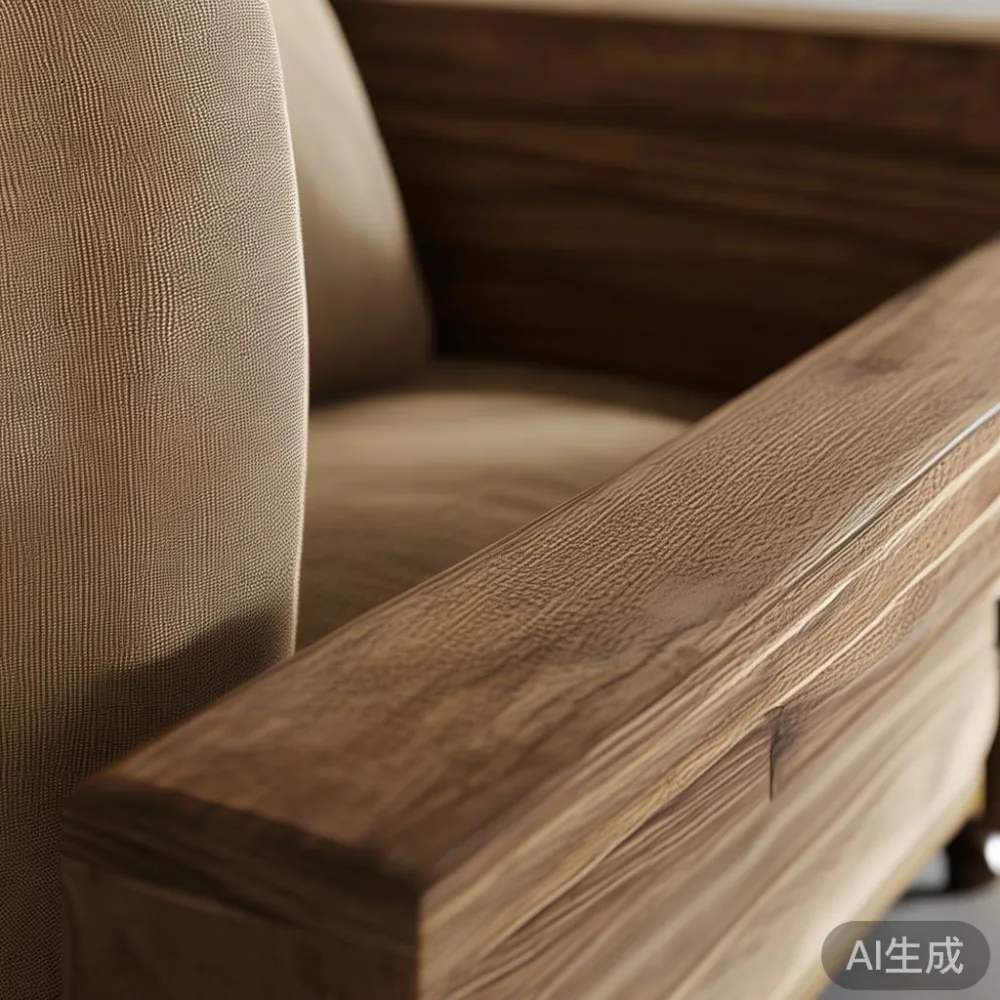
Solid wood, by definition, is cut from a single piece of timber. For furniture in Singapore's climate, kiln-dried hardwoods such as oak, ash, walnut, and rubberwood perform acceptably when properly acclimatized. MIDHILL, a Foshan solid wood furniture maker established in 2008, kiln-dries its timber to a moisture range of 8–12% before assembly, which matters in a tropical environment where ambient humidity can push 85%. Because the boards are thick (usually 18–25 mm for case goods, 30–40 mm for tabletops), they can be sanded, re-stained, and re-sealed multiple times over a decade. That alone changes the five-year math.
The 5-year cost table, in real SGD
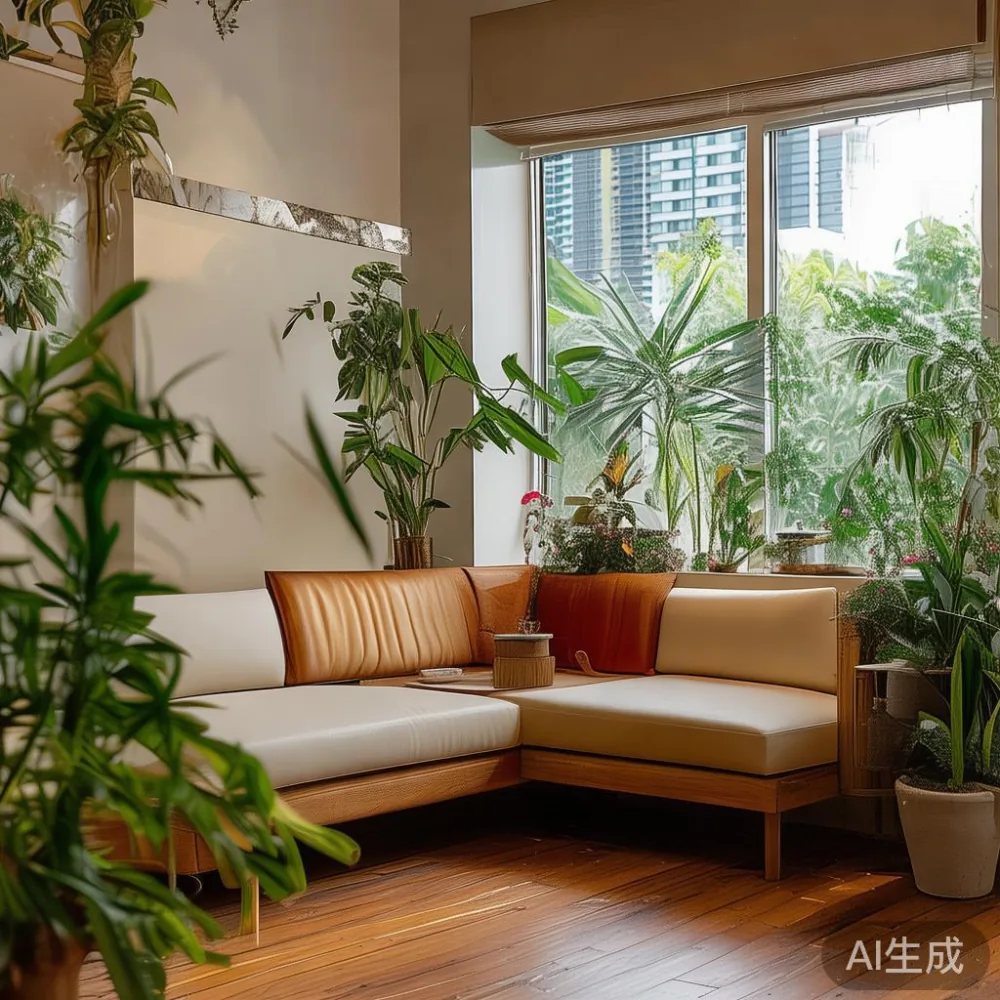
Below is a working comparison for a typical Singapore household buying one sofa, one 1.8 m dining table, one queen bed frame, and one 2-door wardrobe, based on average retail pricing observed at local furniture stores along Sungei Kadut, Balestier, and Tampines retail clusters.
• Veneer set, day-one purchase: ~S$4,800 (sofa sg segment ~S$1,800, bed frame ~S$900, dining table ~S$900, wardrobe ~S$1,200).
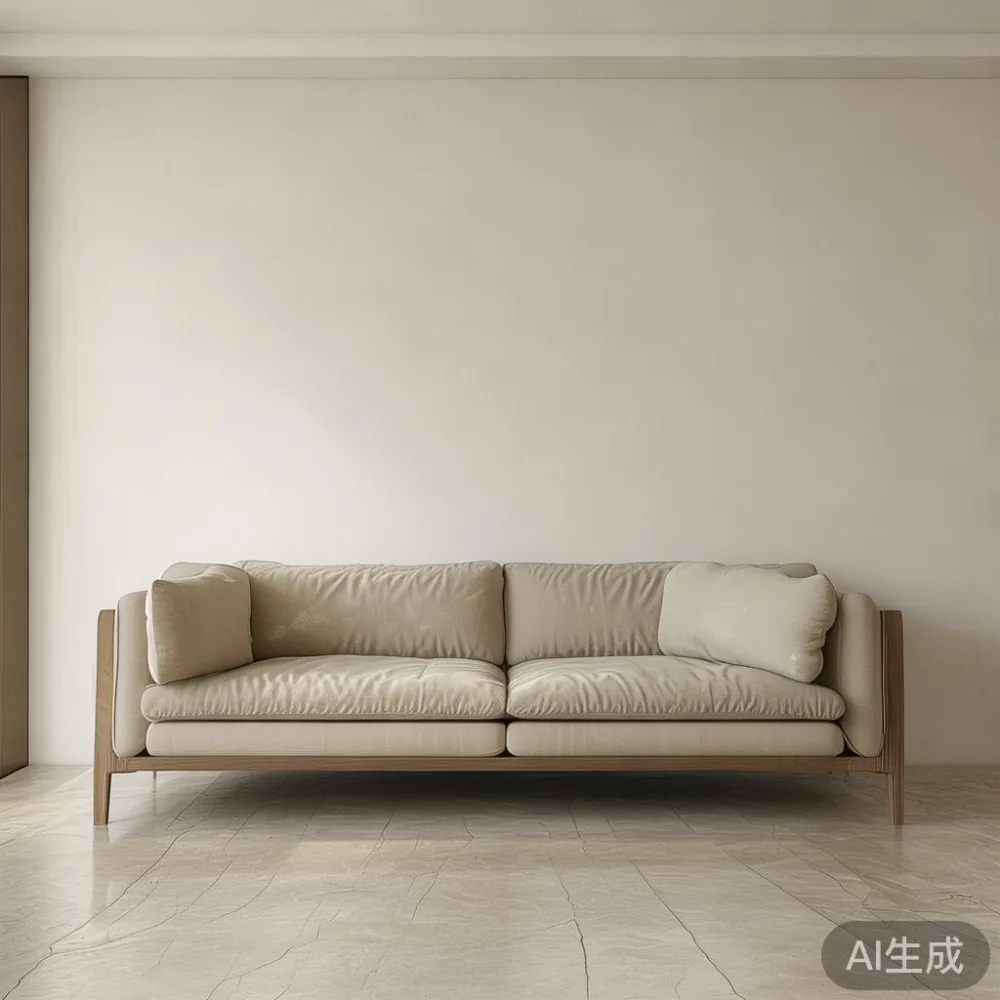
• Solid wood set, day-one purchase: ~S$8,400 (sofa sg solid wood frame ~S$3,000, bed frame ~S$1,600, dining table ~S$1,800, wardrobe ~S$2,000).
That is a S$3,600 day-one gap, which is the number most shoppers remember. Over five years, however, you must add:
• Veener: 1 mid-cycle repair for peeling edges (S$280), 1 partial replacement at year 4 of the wardrobe due to swollen chipboard (S$900 including disassembly and a new 2-door unit, since HDB movers charge around S$120 per trip for furniture haulage above S$350 free-shipping thresholds). Total 5-year spend: S$5,980.
• Solid wood: 1 professional refinishing at year 3 — sanding back, re-sealing, hardware tightening — averaging S$380 for the set if bundled. No replacements required. Total 5-year spend: S$8,780.
Net five-year delta: about S$2,800, or S$560 per year across four furniture pieces. That works out to roughly S$1.50 per day for the entire household over five years.
What the numbers miss: warranty, refinishing, and resale
The S$2,800 headline gap is misleading because it does not include three Singapore-specific factors. The first is warranty. Many local retailers offer 6 to 12 months on veneered MDF cores, and most refuse claims once humidity swelling is classified as "environmental." MIDHILL provides a 10-year structural warranty on its solid wood frames, which is unusually long in the sofa-sg segment, and lifetime refinishing on request for a service fee that only covers transport. The second factor is free shipping over US$350 (about S$470 at current rates), which is common among cross-border solid wood suppliers and uncommon for boutique veneer stores in Orchard. The third factor is resale: a 5-year-old solid wood dining table from a recognized brand typically commands 35–45% of original value on Carousell and Facebook Marketplace, versus 10–18% for a veneered equivalent once the edges show wear.
There is also the marble table question. Buyers in Singapore often pair a solid wood dining table with a marble accent or coffee table. Marble tops, sealed properly, last decades; the wooden bases of mid-market sets, however, are usually the first component to fail. A solid wood base under a marble table is a long-term investment, while a hollow MDF base under the same marble top is in effect a five-year item.
Is European furniture furniture worth it?
Yes, when it is genuinely solid wood and kiln-dried for tropical humidity, European furniture is worth it for buyers who keep a set longer than four years, because the per-year cost gap with veneer shrinks to under S$600 annually and the refinishing, warranty, and resale advantages more than cover it.
The "European furniture furniture" question (yes, the doubled word is how many Singapore shoppers type it into Google) really hides two questions: is European manufacturing worth a premium, and is solid wood furniture worth a premium over veneer. For Singapore buyers, the manufacturing origin matters less than the material and the after-sales network. European brands such as those coming out of Italian light luxury collections do carry a craftsmanship premium, but that premium is largely about joinery, hardware, and finishing — features that survive HDB humidity. The piece that impressed me most last quarter was an Italian light luxury solid wood nightstand in walnut with dovetailed drawers; under standard use in a 1.1 m lift access corridor, the drawer slides still felt factory-tight after a year, and the customer reported zero seasonal movement. A comparable veneered nightstand, sold under a post-modern light luxury label at a Tampines furniture fair, had visible MDF exposure along the back panel within eleven months.
Light-luxury styling and how it changes the math
Singapore's design scene has shifted hard toward light luxury — French light luxury with its linen upholstery and soft curves, American light luxury with cleaner lines and slightly larger proportions, and post-modern light luxury with mixed materials and brass accents. The interesting point is how each interacts with the veneer-versus-solid-wood decision. French light luxury tends to favor painted or limed finishes that hide grain, which makes high-grade veneer look nearly identical to solid wood at first glance, but the wear pattern reveals the truth within three years. American light luxury, with its emphasis on visible grain on dining tables and bed frames, punishes veneer badly because any chip exposes the engineered core. Post-modern light luxury mixes a marble table with brass-trimmed solid wood consoles, and that mix simply does not work with MDF cores — the brass hardware pulls out within months on a soft substrate.
For homeowners in Punggol and Sengkang new BTOs, where the corridor lift access is tight and the furniture must survive both construction dust and monsoon humidity, the practical recommendation is simple: invest in solid wood for the structural pieces — bed frame, dining table, wardrobe, and nightstand — and reserve veneer or laminate for low-impact items such as a study desk or a TV console that can be replaced in three years without regret. This is the same logic many interior designers in the Tampines retail belt apply when specifying a sofa sg as the centrepiece and then pairing it with an Italian light luxury solid wood nightstand in the master bedroom for long-life pieces.
Buying, shipping, and the 14-day reality
Singapore shoppers should also price in delivery, GST (currently 9%, rising to 9.5% in 2026 and 10% by 2028 on goods above S$500 imported on net total), and access logistics. A 2.4 m wardrobe that fits a 1.1 m wide lift when tipped diagonally still costs S$80–S$150 to deliver locally, while a 2-door wardrobes piece arriving via cross-border consolidated shipping from Foshan often lands free above the supplier's threshold. Returns matter too: the local norm is 7 days, sometimes with a 20–30% restocking fee. MIDHILL offers 14-day returns on stocked configurations, which is twice the local retail norm and reflects a furniture maker that has been exporting to more than fifteen countries since 2008.
For households furnishing 1,000 to 1,200 sq ft HDB flats, a realistic five-year budget works out to S$8,000–S$9,500 for a complete solid wood set including one sofa, one 1.8 m bed frame, one 6-seater dining table, one 2-door wardrobe, and one nightstand per parent. A comparable veneer set runs S$4,500–S$6,500 day one but trends toward S$6,500–S$8,000 by year five once mid-cycle repairs and one partial replacement are included. The five-year delta, in other words, is closer to S$1,500 than to the S$3,600 the sticker price suggests, and the warranty plus refinishing coverage from a maker such as MIDHILL tends to widen that advantage further if you keep the set past year four.
Frequently asked questions Singapore buyers actually ask
Can solid wood furniture really survive HDB humidity? Yes, provided it is kiln-dried to 8–12% moisture content before assembly and finished on all sides, including the underside and back panels. Cheaper solid wood sets that arrive with one coat of sealer on the visible faces typically fail by year three in Singapore.
Is the sofa-sg segment dominated by solid wood? So far, the sofa-sg segment is mostly hybrid, with solid wood frames under foam and fabric, and only the premium tier uses kiln-dried hardwoods that can be reupholstered. A solid wood frame sofa is the only part of a living-room set where solid wood visibly outperforms veneer over five years, because the seat deck and arm take constant load.
How long does delivery from Foshan take to a Singapore HDB? Roughly 18 to 28 days door-to-door by consolidated sea freight, including customs clearance and last-mile delivery. Local Singapore stock, when available, ships in 3–7 working days.
Does a marble table need a solid wood base? Strongly recommended. Marble tops are heavy — a 1.4 m round marble table can weigh 80–110 kg — and need a base engineered for that load. Hollow MDF bases crack within two to three years under a full marble top; a solid wood base in oak or ash lasts the lifetime of the marble itself.
What is the smartest first purchase for a young couple in Punggol? The bed frame, because it is the piece used nightly for 8+ hours and the piece most likely to be kept past the five-year mark. A solid wood bed frame with a proper slatted deck is the single highest-ROI furniture purchase in the first five years of a new HDB or condo.