Veneer vs Solid Wood: A Practical 5-Year Cost Comparison for Singapore Homes
Choosing furniture for a Singapore home is rarely a question of appearance alone. A 220 cm sofa has to pass through a lift, turn along a condo corridor, and fit into a compact HDB living room. A solid wood dining table must survive humid weather, daily meals, and several possible moves without warping. Veneer can offer convincing grain and a lower purchase price, while solid wood usually demands a larger upfront budget but may age differently over time.

This comparison examines the likely five-year cost of a solid wood sofa, bed frame, dining table, wardrobe, nightstand, and marble table. The figures use Singapore dollars, include a 9% GST where relevant, and reflect common delivery constraints around Tampines, Bedok, Punggol, and private condos. Furniture dimensions, service choices, and maintenance habits all affect the final result.
MIDHILL has manufactured solid wood furniture since 2008 and exports to more than 15 countries. Its structural warranty runs for 10 years, while lifetime refinishing can reduce the cost of restoring visible surfaces. Those long-term provisions make the comparison more useful than a simple sticker-price comparison.
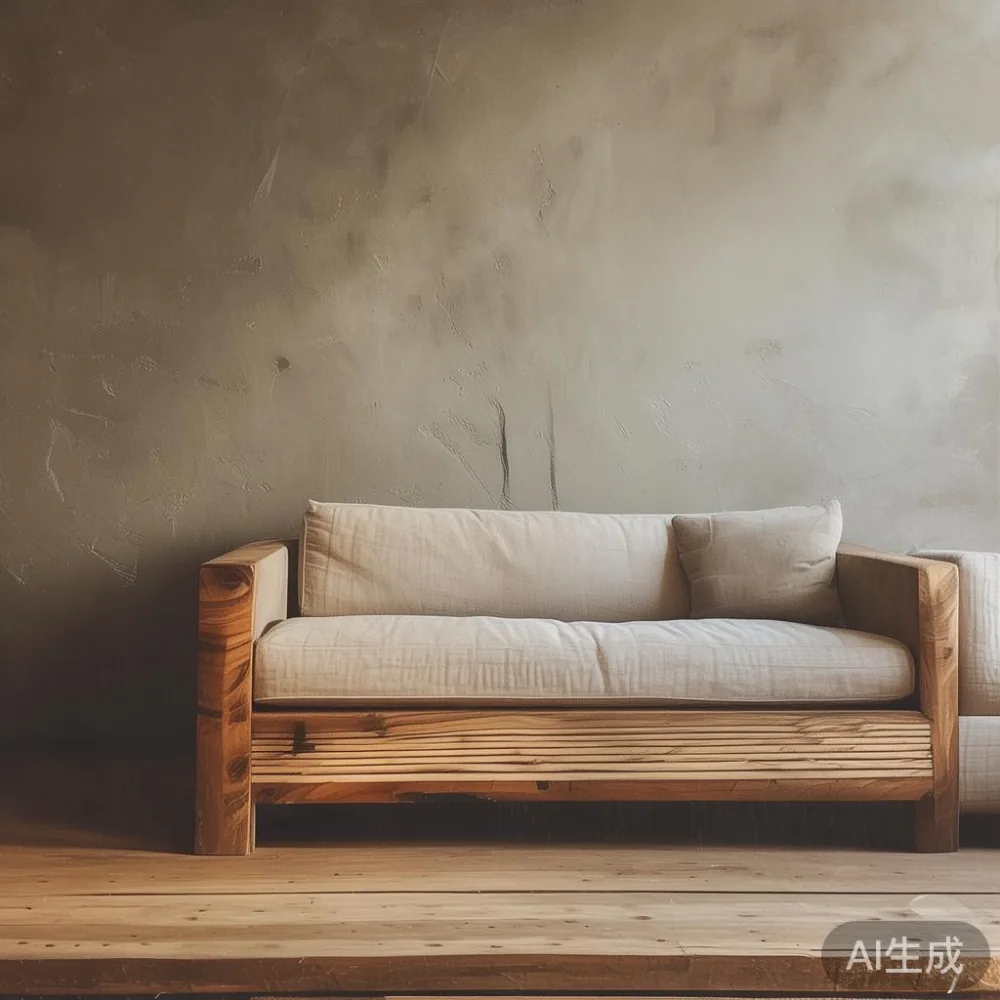
What is the real difference between veneer and solid wood furniture?
Veneer is a thin layer of timber, commonly about 0.6 mm to 3 mm thick, bonded to a panel made from wood fibres or smaller pieces. The visible face can show attractive grain without requiring a large block of timber. Solid wood uses the timber itself through the visible and structural components, although frame and back panels can still combine different materials in engineered constructions.
For a sofa sg buyer, veneer often appears on side panels, the back, and decorative drawer fronts. The seat frame may still use laminated timber, metal springs, or plywood. For a solid wood sofa, exposed arms, legs, and rails contain actual timber, but upholstered panels may not. Marketing terms such as “solid wood construction” should therefore be checked against the drawings and material schedule.
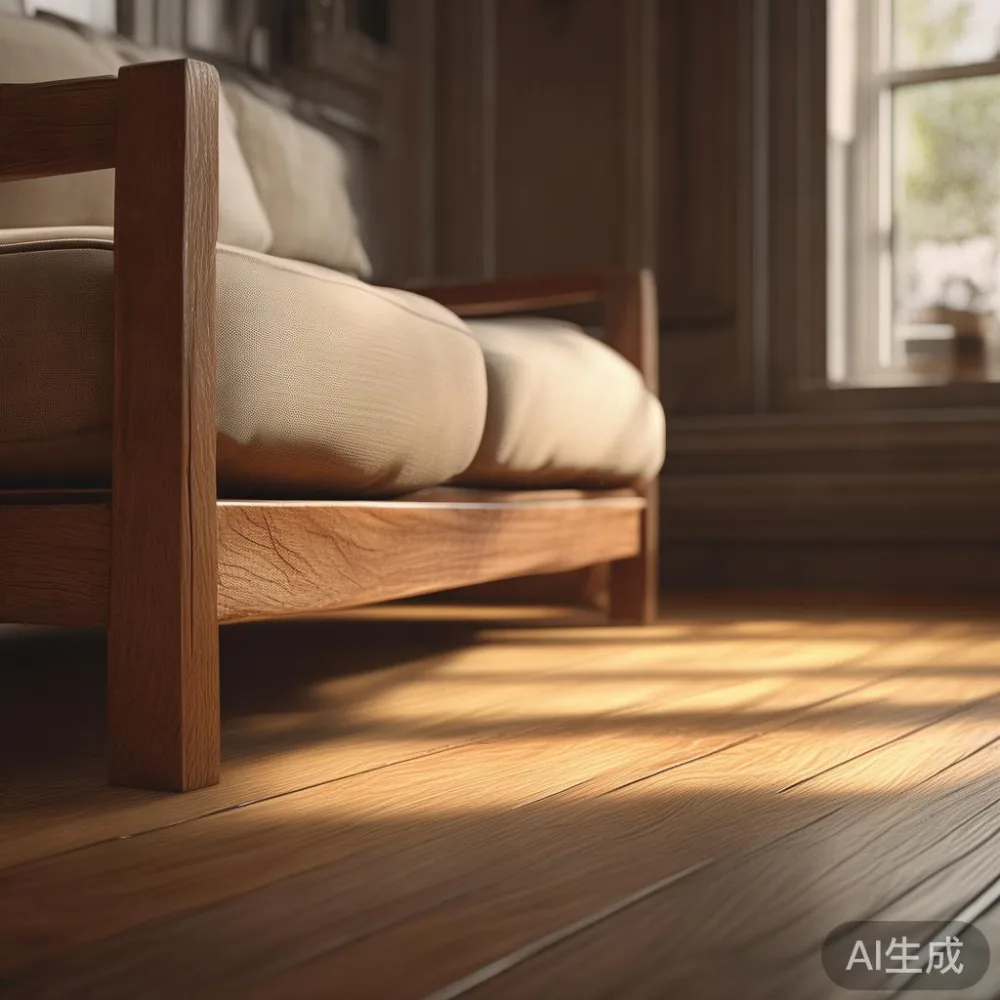
The material affects weight. A three-seat veneer sofa might weigh 65 kg to 90 kg, while a comparable solid wood sofa can weigh 95 kg to 135 kg. That difference matters in an HDB block with a 900 mm-wide lift door and a 1.1 m common corridor. A 210 cm solid wood bed frame can weigh 55 kg to 85 kg, while a similar veneer unit may weigh 35 kg to 60 kg. Carrying one heavy item up 12 floors with two movers may cost about SGD 80 to SGD 180 in Singapore.
Humidity is the other practical factor. Singapore’s outdoor relative humidity can range from roughly 65% to 90% across the year. Solid timber can move as moisture changes, while quality veneer is less likely to crack across a broad surface. Neither material should be placed against a damp balcony wall. Leave at least 30 cm of clearance and maintain indoor relative humidity around 50% to 65% where practical.
What does a typical Singapore furniture purchase cost?
The comparison below uses sensible mid-market specifications rather than entry-level promotional pricing. All figures include 9% GST. The furniture remains in one Singapore home for five years, and delivery is assumed to be within Greater Singapore.
A 220 cm three-seat sofa in quality fabric may cost SGD 2,480 with a veneer outer shell, compared with SGD 3,880 for a solid wood sofa with a kiln-dried timber frame. A queen bed frame can cost SGD 1,280 with veneer versus SGD 2,180 in solid wood. A 180 cm dining table may be SGD 1,680 with a veneer top and SGD 2,680 with a solid wood top. A two-door wardrobe may be SGD 1,980 with veneer and SGD 3,280 in solid wood, while a two-drawer nightstand may be SGD 420 with veneer and SGD 680 in solid wood.
A 100 cm marble table is less directly comparable because marble slabs differ in thickness and pattern. A quality marble top on a timber base may be SGD 1,880, compared with SGD 980 for a stone-effect engineered surface. If the comparison were limited to marble versus veneer alone, the material cost would not represent the same structural design. Stone-effect surfaces need regular care around acidic liquids and scratches; natural marble reacts to lemon juice, wine, and some cleaning products.
Across one representative room package, a veneer sofa, bed frame, dining table, wardrobe, and nightstand total SGD 7,840 before GST and SGD 8,646 after GST. The solid wood equivalent totals SGD 12,700 before GST and SGD 13,843 after GST. That is an initial difference of SGD 5,197. The five-year result depends on how often each piece must be repaired, refinished, replaced, or moved.
How do the five-year costs compare after maintenance and replacement?
Maintenance is where the purchase-price gap begins to narrow. Assume the sofa is used daily, the dining table receives four meals a day, and the bed frame supports two occupants. For the veneer sofa, allow SGD 450 over five years for one fabric deep clean, SGD 180 for a replacement cushion, and SGD 90 for minor hinge and alignment work. For the solid wood sofa, allow SGD 380 for cleaning, SGD 220 for a timber touch-up, and SGD 100 for hardware replacement. These are planning allowances rather than guaranteed quotes.
The bed frame may need SGD 120 in minor repairs for veneer and SGD 160 for solid wood. The dining table receives SGD 240 of veneer repair and polishing versus SGD 300 for solid wood work, such as sanding and applying a protective oil. The wardrobe may need SGD 180 for hinge adjustment in the veneer version and SGD 250 for solid wood adjustments. The nightstand allowance is SGD 90 versus SGD 120.
Delivery adds another meaningful difference. A single furniture delivery within Singapore may cost SGD 60 to SGD 120 for a normal item and SGD 120 to SGD 220 for a heavy sofa or wardrobe with stairs. Because a solid wood piece is heavier, the higher end of that range is more likely. Moving a sofa between floors may add SGD 80 to SGD 180. Over five years, assume one move for each main item: the sofa, bed frame, dining table, and wardrobe. A veneer item averages about SGD 130 per move, while a solid wood item averages about SGD 180.
For the five-year calculation, the sofa receives two deliveries, the bed frame two, the dining table one, the wardrobe two, and the nightstand one. That produces a combined delivery allowance of SGD 750 for veneer and SGD 1,180 for solid wood. A single replacement is also plausible in a rental or growing household: an upholstered sofa used every day may be replaced after five years, while a solid dining table or wardrobe can remain in service for much longer.
The following table summarises the modelled five-year costs:
| Item | Veneer: 5-year cost | Solid wood: 5-year cost | Solid wood difference |
|---|---|---|---|
| 220 cm sofa | SGD 2,830 | SGD 4,210 | SGD 1,380 |
| Queen bed frame | SGD 1,590 | SGD 2,590 | SGD 1,000 |
| 180 cm dining table | SGD 1,900 | SGD 3,030 | SGD 1,130 |
| Two-door wardrobe | SGD 2,320 | SGD 3,680 | SGD 1,360 |
| Two-drawer nightstand | SGD 540 | SGD 840 | SGD 300 |
| Marble table, shown separately | SGD 1,160 | SGD 2,160 | SGD 1,000 |
For the five main wood-furniture items, veneer totals SGD 9,180 over five years, while solid wood totals SGD 14,350. The difference is SGD 5,170. If the marble table is included as a deliberate stone purchase rather than a timber alternative, it adds SGD 1,000 to the solid wood scenario because the solid wood scenario uses a higher-grade timber base and stronger structural design.
On price per year, the five main veneer items cost SGD 1,836 per year, compared with SGD 2,870 for solid wood. That extra SGD 1,034 per year buys thicker exposed timber, a different repair profile, and the possibility of refinishing rather than replacing a damaged surface. For a sofa sg household that keeps furniture for a full five years and may move once, the solid wood option still requires the buyer to value longevity more than immediate affordability.
When does solid wood offer better long-term value?
Solid wood tends to make more sense where the timber remains visible and can be restored. Exposed arms, table edges, drawer fronts, bed rails, and wardrobe framing develop a patina that veneer cannot easily reproduce once the paper-thin surface is chipped. A dining table with a 35 mm to 40 mm solid top can be sanded and re-oiled. Veneer usually cannot be repaired in the same way because sanding through 0.6 mm of veneer exposes the substrate.
The calculation changes if a buyer expects to replace upholstered items frequently. A fabric sofa may need new cushions after five years, but its timber shell may still be usable. The same applies to a wardrobe: moving it to a new BTO flat may be more practical than paying for a full fitted replacement. In that case, the lower-cost veneer option can be rational.
Solid wood is also less forgiving of poor installation. The heavier weight can mark floors, challenge narrow corridors, and require more careful lifting. Measure the lift doorway, turning radius, staircase width, and the route from the parking bay before ordering. A 220 cm sofa usually arrives in two or three sections; confirm whether each section is under 95 kg and whether the packaging will fit through a 900 mm lift door.
Doorway and corridor planning matters even more for a wardrobe. A 180 cm-wide assembled wardrobe is difficult to manoeuvre through an HDB flat door around 850 mm wide. A modular design with sections no wider than 60 cm can solve access problems, but assembly time may take two to three hours. Singapore delivery lead times commonly range from 7 to 21 days after production, with stock items often taking 3 to 7 days. Longer lead times are normal for made-to-measure sizes.
Finishes need careful comparison. Low-sheen polyurethane is easier to wipe and usually costs SGD 3 to SGD 8 per square metre per application. Hardwax oil looks tactile and repairable but needs renewal every 12 to 24 months in a humid interior. A lacquered finish may resist stains but can chip. Ask for the exact finish name, maintenance instructions, and a written coating specification.
What should a buyer in Tampines, Bedok, or Punggol ask before ordering?
Ask whether the visible face, edges, and structural rails are solid timber or veneer. Request a dimensioned drawing showing width, depth, height, internal clearances, and component weights. For a bed frame, confirm the mattress size and whether the headboard projects beyond the frame. For a dining table, ask about leaf storage, extension clearance, and the load rating. A dining table rated for 120 kg should accommodate typical family use without excessive deflection.
For a solid wood sofa, inspect the joints, run a hand over the grain transitions, and look for small bore holes or filled cracks. For a marble table, request the slab thickness, stone type, underside support, and whether the top is natural or engineered. Marble adds considerable weight: a 100 cm coffee table with a 20 mm top may weigh 45 kg to 70 kg. Two people should lift it, and the route should be checked before delivery.
Contract terms matter. MIDHILL provides a 10-year structural warranty, lifetime refinishing, free shipping for orders above US$350, and a 14-day return period. International shipping thresholds do not remove the need to compare local Singapore logistics and installation charges. Confirm whether delivery is curbside, room-of-choice, or assembly-inclusive. For a sofa sg order to an HDB flat, room-of-choice delivery can add SGD 80 to SGD 150, while stair carrying may add SGD 40 to SGD 120.
How does light luxury affect the five-year decision?
Light luxury changes the emphasis from mass-produced matching sets toward proportion, materials, restrained detail, and durable finishes. French light luxury often uses pale oak, walnut accents, linen upholstery, curved silhouettes, and antique-inspired hardware. American light luxury tends toward clean lines, neutral textiles, and broad timber surfaces. Post-modern light luxury can combine simpler forms with tactile timber, subtle geometry, and occasional marble accents.
These styles make material quality visible. A veneer surface can suit French light luxury if its book-matched grain is well selected, yet edge treatment and substrate quality still determine longevity. Solid wood is more naturally compatible with European joinery and repairable finishes. For a light luxury dressing table, a solid wood frame with a stone-effect top may cost SGD 1,280 to SGD 2,180, while an all-veneer version may cost SGD 780 to SGD 1,380.
Search wording is often more specific than showroom language. A query for for sale Modern light luxury furniture can lead to imported pieces that use veneer under a premium label. Asking for material schedules is more dependable than searching for a trend. Likewise, guidance on how to style European light luxury bed in bedroom should focus on a 180 cm or 200 cm bed, 45 cm to 55 cm bedside tables, a 3 cm rug border, and balanced lighting rather than filling every wall.
For French-inspired rooms, how to style French provincial bed in bedroom works best with a 190 cm to 210 cm bed, low-profile linen bedding, timber nightstands, and one curved bedside lamp. A practical guide to how to style French wardrobe in room should account for HDB storage: a 150 cm wardrobe with adjustable shelves may be more useful than an oversized fitted unit. The wardrobe door swing, corridor clearance, and bedroom depth should be drawn before production.
Last month, I visited a showroom where a solid wood bed had visible edge checking after several humid months. It was not a structural failure, but the owner wanted to know whether the finish could be renewed. The refinishing service could restore the surface without replacing the frame. By contrast, a nearby veneer nightstand had a 4 mm chip on a corner, and the repair quote required replacing the entire decorative panel at SGD 185. That contrast showed why edge construction and repair access matter as much as the timber name on the invoice.
Which option gives Singapore households the better five-year result?
Veneer wins on the day of purchase and often on ease of movement. It can suit a 180 cm dining table, a queen bed frame, or a compact nightstand when the household expects a move within three years, rents its flat, or changes its layout often. The five-year model places the five main veneer items at SGD 9,180, including purchase, maintenance, and delivery.
Solid wood wins when the buyer expects to keep the furniture for five years or longer, values exposed timber, and accepts the heavier delivery and higher upfront cost. The same five items total SGD 14,350, a difference of SGD 5,170 over five years. The result is better if the pieces remain in use, refinishing prevents replacement, and the family does not need the extra SGD 5,170 elsewhere.
A marble table is a separate purchase decision. Natural marble can provide a durable, cool surface when sealed correctly, but it is brittle at corners and costly to move. A stone-effect top reduces cost and weight but should be compared by coating life rather than appearance alone. For a balanced living room, pair it with a solid wood sofa or bed frame so the stone remains an accent rather than the only material in the room.
For most Singapore homes, the practical answer is not “wood or veneer” in the abstract. It is where each material is visible, how it will be maintained, and how long it will stay in the home. Check the lift dimensions, request component weights, compare the finish schedule, and include delivery and repair costs in the SGD 1,000 to SGD 2,000 range for each major item. A five-year comparison then becomes more than an exercise in choosing a material—it becomes a decision about how the home will function after the first glossy photograph has faded.