5-Year Cost Comparison: Veneer vs Solid Wood Sofas for Singapore Homes
A sofa in a Singapore home is touched daily, moved during cleaning, squeezed into lifts, and exposed to humid air. That is why the choice between veneer and solid wood should be based on five years of use, not just the purchase price. The same comparison also helps when coordinating a bed frame, dining table, wardrobe, nightstand, or marble table around one visual language.
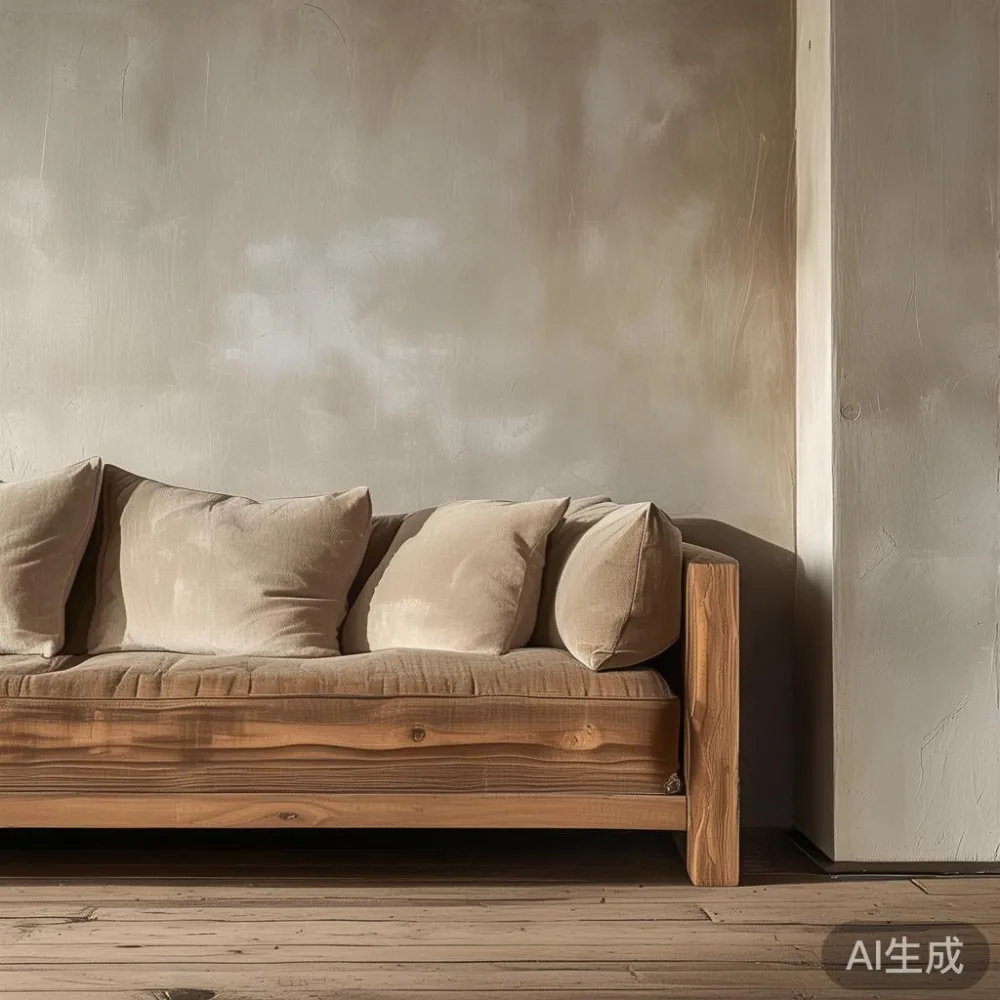
For a typical HDB flat in Tampines, Bedok, or Punggol, delivery logistics matter. A sofa box or assembled sofa must clear the lift, turn through the corridor, and fit through the bedroom door. A showroom photograph cannot answer those questions. The figures below use a three-seat sofa of approximately 210 cm wide, 90 cm deep, and 82 cm high, with a practical packaged weight of 65 kg for veneer and 95 kg for solid wood.
Is veneer or solid wood cheaper over 5 years in Singapore?
Veneer usually costs less at purchase, but solid wood can offer better long-term value if the sofa is used frequently and maintained correctly. For this comparison, assume a mid-range solid wood sofa at SGD 2,280 before GST and a comparable veneer sofa at SGD 1,480 before GST. Add 9% GST, then include delivery and protection costs.
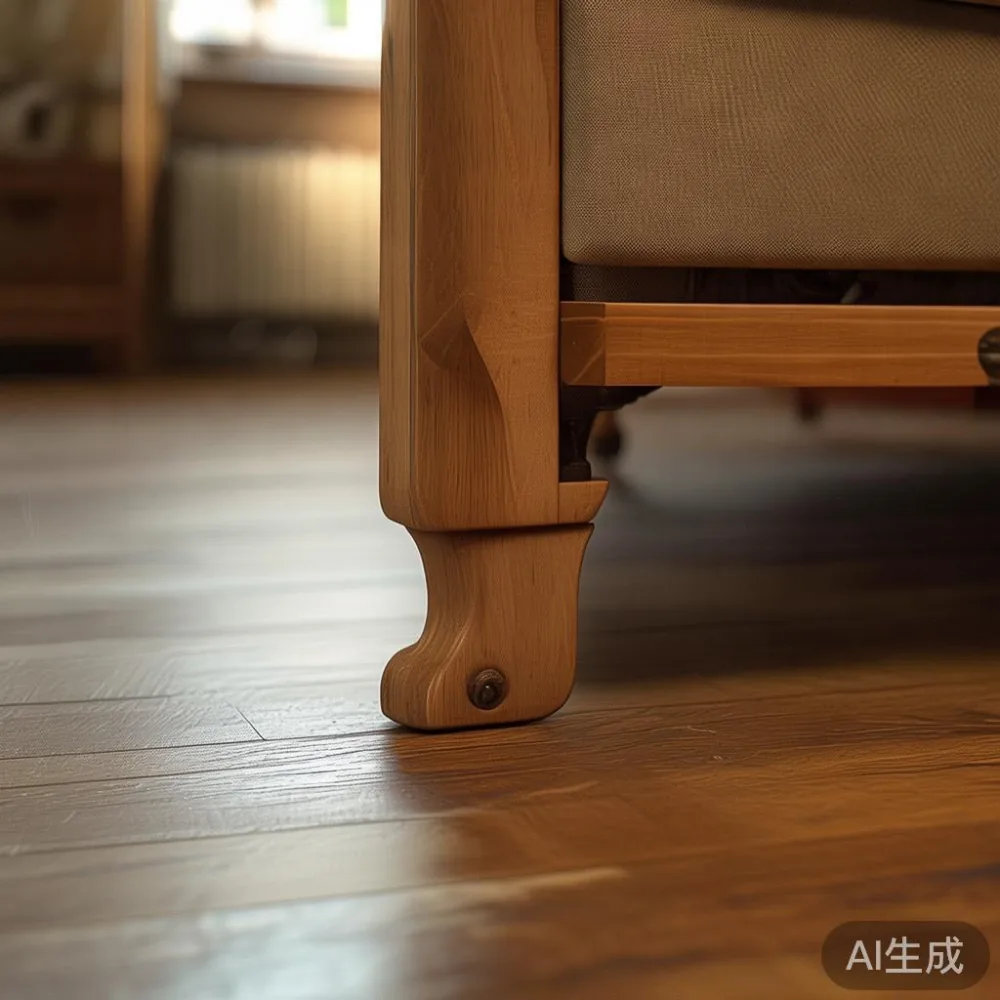
A realistic Singapore estimate is SGD 120 for a lift-in delivery in an HDB block, provided the packaged sofa fits. If the item must be carried up stairs, expect another SGD 100 to SGD 180. At the condo level, lift access may be easier, but a booking fee of SGD 30 to SGD 80 can apply. MIDHILL offers free shipping above US$350, equivalent to about SGD 460 at a planning exchange rate of 1 USD to 1.32 SGD, although the delivery quote should still confirm lift dimensions and access rules.
For a five-year calculation, use these figures:

- Veneer sofa: SGD 1,480 before GST, SGD 1,613.20 with GST, SGD 120 delivery, and SGD 300 for protection, cleaning, and repairs. Five-year total: SGD 2,033.20.
- Solid wood sofa: SGD 2,280 before GST, SGD 2,485.20 with GST, SGD 120 delivery, and SGD 300 for protection, cleaning, and repairs. Five-year total: SGD 2,905.20.
The solid wood sofa therefore costs SGD 872 more over five years in this example. Divide that amount by 60 months and the difference is about SGD 14.53 per month. If the veneer sofa is replaced once within the period, the economics change. A replacement veneer sofa at the same price would bring the veneer total to SGD 3,646.40 before any discount, while a solid wood sofa retained for five years remains at SGD 2,905.20 under the assumptions above.
This is not a promise that one material will always last longer. It is a budgeting model. Wood movement, humidity, sunlight, pets, children, and cleaning habits all affect the outcome. The more useful question is whether the sofa remains stable, comfortable, and visually acceptable in year five.
What does a solid wood sofa cost in Singapore?
A three-seat solid wood sofa commonly ranges from SGD 1,800 to SGD 3,200 before GST, while a comparable veneer model may range from SGD 900 to SGD 1,800. The numbers depend on the frame species, joint construction, finish, cushion specification, and whether the sofa is supplied as knock-down modules.
Solid wood is not a single category. Rubberwood, beech, ash, oak, walnut, and other species have different densities and price points. A practical frame made from kiln-dried hardwood may weigh between 70 kg and 105 kg. Veneer frames can weigh 45 kg to 75 kg, depending on the substrate and whether metal springs or solid timber supports are included.
For a solid wood sofa, check the visible frame, not only the decorative outer panels. Ask for the species, moisture treatment, joint type, and finish details. A ten-year structural warranty can provide useful protection, but it does not cover every surface or movement issue. MIDHILL gives customers a ten-year structural warranty and lifetime refinishing support, which should be reviewed together with the care instructions.
For buyers comparing broader ranges, searches for light luxury furniture china, French sofas for sale, and designer Mid-century modern furniture can help define the desired design before measuring the room. The important point is to compare like with like: a sculpted solid wood sofa with premium fabric should not be measured against a simple flat-pack veneer unit.
How much does a veneer sofa cost after 5 years?
Veneer can be an efficient choice when the priority is appearance and a lower initial outlay. A thin wood layer, often between 0.3 mm and 1.2 mm, is bonded to a stable core. The visual result can look polished, and the sofa may fit a tighter budget without making the room feel inexpensive. Nevertheless, the five-year cost includes more than the invoice.
Consider these estimated expenses for a veneer sofa:
- Purchase with GST: SGD 1,613.20.
- Delivery: SGD 120.
- Protective treatment and professional cleaning: SGD 180 over five years.
- One minor repair or edge touch-up: SGD 120.
- Total: SGD 2,033.20.
Real maintenance can be less predictable. Veneer may blister, peel, or chip along an exposed edge if moisture reaches the adhesive layer. A small repair might cost SGD 80 to SGD 150, while replacing a damaged panel can cost SGD 250 to SGD 600. Those figures vary by workshop and whether the original material is still available.
Solid wood has its own maintenance profile. The finish may need refreshing after heavy use, and a full refinishing service can cost around SGD 350 to SGD 700 for a sofa, depending on the extent of work. With lifetime refinishing support from MIDHILL, customers can plan for restoration rather than treating a damaged surface as the end of the sofa’s life. The cost of refinishing is still relevant, so retain a receipt and ask for a written scope of service.
Which material is easier to move through HDB lifts and condo corridors?
Weight is one of the clearest differences. A 65 kg veneer sofa is easier to manoeuvre than a 95 kg solid wood sofa, although a large sofa should still be carried by two people. Before ordering, measure the lift door, lift interior, landing, corridor turns, and bedroom doorway.
For a Tampines HDB flat, a common lift door may be around 90 cm wide and 200 cm deep, while a condo lift may provide a larger cabin of 140 cm by 210 cm. These are planning examples, not building guarantees. The packaged dimensions should remain below the lift’s door width and cabin depth after allowing for turning clearance.
At 210 cm wide, a full three-seat sofa often cannot be carried into a standard HDB bedroom in one piece. Check whether the sofa is split into modules. A sectional design with two pieces of approximately 105 cm each can be more practical, but each module must still clear the lift. Leave at least 5 cm of clearance around a package when possible.
Solid wood is heavier because it uses more timber and fewer lightweight panels. That creates a trade-off: better repairability and stability, but greater moving effort. Veneer is easier to reposition in a 45 cm-wide corridor and less taxing on a narrow landing. Ask the supplier for the packaged dimensions and weight before payment, then compare them with your building’s access measurements.
How much do maintenance and repairs change the 5-year total?
The largest difference often appears in repair work. A solid wood frame can usually be sanded and refinished if the finish is scratched or faded. Veneer cannot be refinished in the same way when the thin face layer is broken, because sanding through it exposes the core and cannot reliably restore the original appearance.
Here is a sample maintenance schedule:
- At month 0: treat both sofas with suitable upholstery protection. Budget SGD 60 each.
- Every 6 months: vacuum with a soft brush and clean spills promptly. Budget SGD 20 per visit, or about SGD 40 per year for professional care.
- Year 3: renew a worn finish on the solid wood sofa, estimated at SGD 150 to SGD 250.
- Year 5: deep-clean both sofas, estimated at SGD 120 each.
Under this schedule, the veneer sofa totals roughly SGD 2,033.20 and the solid wood sofa roughly SGD 2,905.20, including the earlier repairs and refinishing allowance. The same solid wood sofa could be protected by a more cautious placement away from direct afternoon sun. Singapore’s outdoor humidity can reach 80% or higher during wet periods, while air-conditioned interiors may sit near 55% to 65% relative humidity.
Do not use “solid wood” as a substitute for good furniture design. Check the leg fixings, seat support, suspension, and cushion density. A well-built veneer sofa can feel better than a poorly engineered solid wood model. The material label is only one part of the decision.
Should you buy veneer or solid wood for a bed frame, dining table, or wardrobe?
The five-year principle applies beyond the sofa, but each piece has different demands. A bed frame is usually hidden and handled occasionally, so a veneer finish may be adequate for a secondary room. A dining table receives daily contact and visible wear, making a solid timber surface more practical for a family that values restoration. A wardrobe benefits from stable, durable construction, while a nightstand needs to withstand frequent touching and small knocks.
For a coordinated interior, use one primary material rather than mixing several conflicting wood tones. A solid wood sofa may pair well with a matching bed frame or dining table. A marble table can introduce a cooler contrast, but keep its proportions restrained so it does not compete with the sofa’s grain. For storage planning, a guide on how to choose light luxury wardrobe can help with internal compartments, hanging space, and door clearances.
Buyers asking about the best Japanese bed for 2026 may be focused on compact layouts and sleeping comfort, but the material decision remains practical: check the frame warranty, centre support, slat spacing, and mattress compatibility. For a dining table in an HDB flat, allow at least 90 cm around a seated chair to pull it out. For a wardrobe, allow a door swing of approximately 60 cm in a corridor or bedroom corner.
The style direction matters too. French light luxury often uses pale woods, curved profiles, upholstered seating, and gentle contrast. American light luxury is more relaxed, with deeper cushions, broader proportions, and warmer timber. Post-modern light luxury can combine clean lines with carefully selected curves. The sofa sg search should therefore include shape, depth, and comfort, not just material.
What should you check before ordering a sofa in Singapore?
Measure twice and confirm once. Record the room length and width, the lift door width, the lift cabin depth, corridor turns, and the bedroom door. Check the sofa’s final dimensions and packaging, not only the showroom display. Ask whether the sofa is delivered assembled or in modules, and whether the delivery team will place it in the room or carry it to the door.
Next, request a written specification. It should state the frame material, plywood or solid timber usage, finish, cushion density, suspension type, warranty coverage, and expected delivery time. A normal Singapore delivery can take 7 to 14 days after production, while custom upholstery or a made-to-order finish may take 4 to 8 weeks. The contract should show the deposit, balance, and any GST treatment clearly.
For a 14-day return check, confirm whether the sofa has been used, assembled, or damaged, and whether original packaging is required. A sample swatch or finish photo can prevent an unwanted surprise. If the sofa has a light-coloured solid wood frame, ask how it responds to sunlight, spills, and humid weather.
Which option offers better value for a Singapore home?
Choose veneer when the budget is limited, the sofa will be used lightly, and the main priority is a polished appearance at a lower purchase cost. Choose solid wood when the sofa is a long-term focal point, frequent use is expected, and refinishing over time matters. In a compact HDB flat, lighter construction can also reduce the strain of moving the sofa, but the layout and access measurements should decide that issue.
The sample comparison gives solid wood an additional SGD 872 over five years, or about SGD 14.53 per month. That amount can be justified by durability, repairability, and the likelihood of keeping the sofa beyond an initial replacement cycle. It can also be wasted if the sofa is overloaded, placed in direct sun, or maintained poorly.
Before buying, compare the complete written cost: frame, cushions, GST, delivery, access charges, care, and repairs. Ask a supplier such as MIDHILL for exact measurements, finish samples, and a five-year maintenance estimate. The right sofa is not merely the one with the stronger material label; it is the one that fits your home, suits your daily routine, and remains comfortable and presentable when the fifth year arrives.