Singapore Furniture: Managing Humidity with Solid Wood in HDB & Condos
Singapore’s tropical climate can change solid wood furniture more than many buyers expect. Humidity, air-conditioning, balcony rain, and coastal salt all affect timber movement in different ways. In a compact HDB flat or condo, those effects become easier to notice because furniture often sits close to windows, corridors, and air-conditioned living rooms.
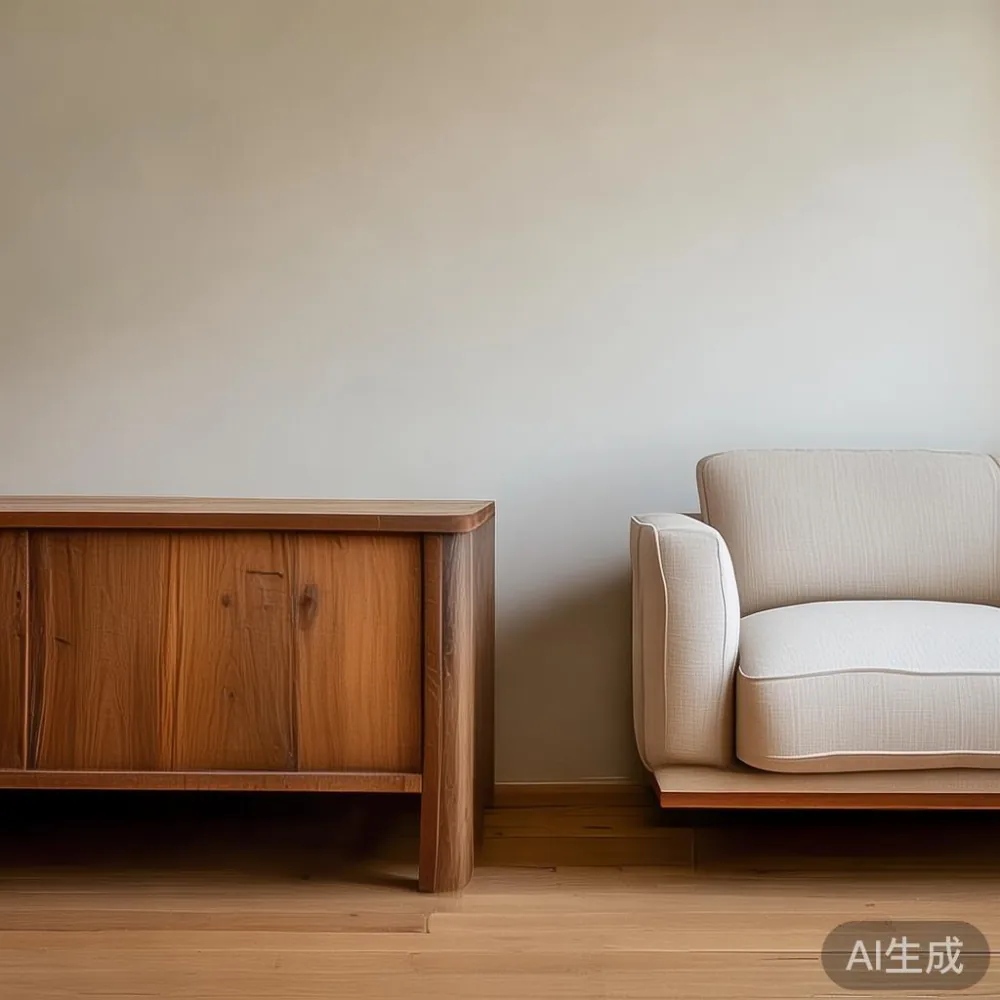
This guide explains how moisture affects a solid wood sofa frame, bed frame, dining table, wardrobe, or nightstand, and what Singaporean homeowners can do to protect their furniture for years.
How does humidity affect solid wood furniture in Singapore?
Wood is hygroscopic: it absorbs moisture when the surrounding air is humid and releases moisture when the air becomes dry. That movement changes the width, thickness, and length of timber. In practical terms, a solid wood dining table may expand by several millimetres across its width during a humid period. A wardrobe door may swell slightly, a bed frame may develop minor surface checks, and a nightstand drawer may feel tighter or looser.
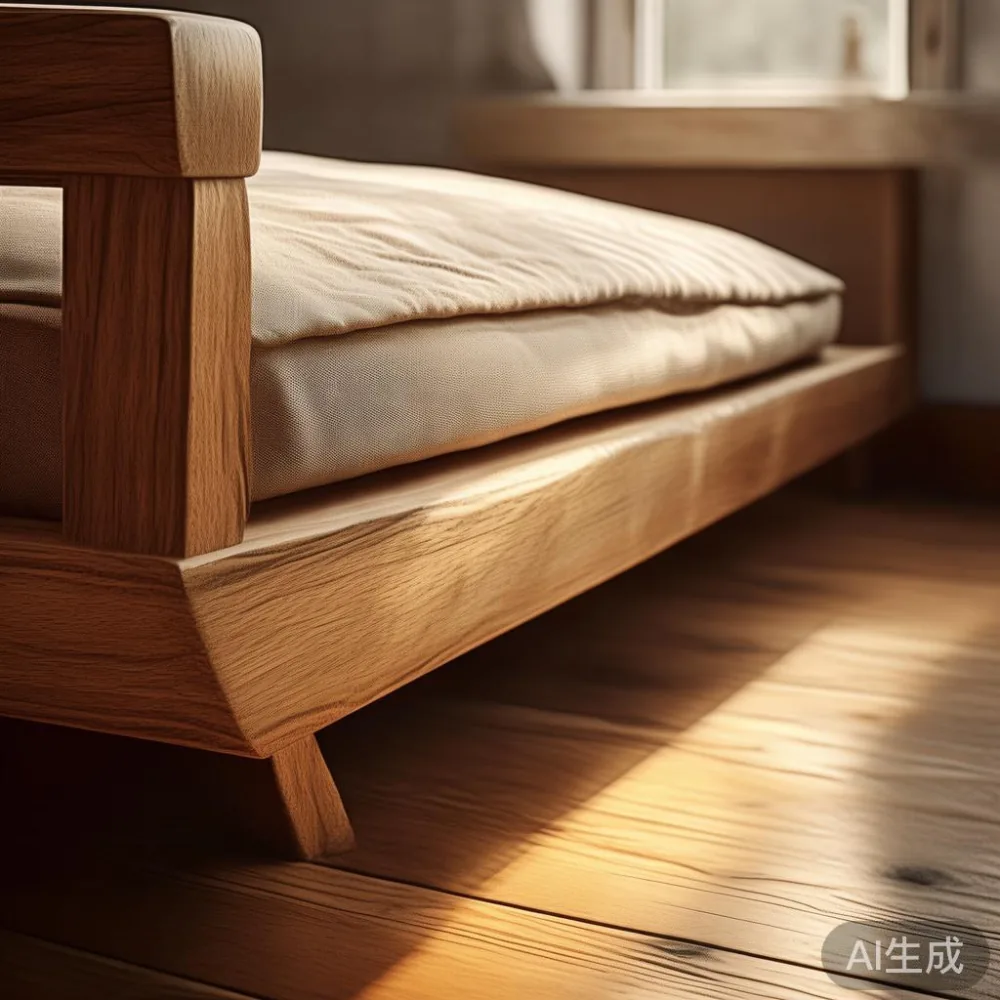
Singapore’s relative humidity commonly ranges from about 65% to 85%, with higher readings during the monsoon periods and rainier afternoons. Air-conditioned interiors can become much drier, sometimes dropping below 50%. Repeated movement between these conditions places more stress on joints, veneer, lacquer, and finishing coatings than stable conditions do.
Temperature matters too. A timber surface near a west-facing window in Tampines can reach 40°C while the room remains around 27°C. That temperature difference can cause moisture to move from one face of a board to another. The surface may dry while the interior remains damp, creating small checks that are often mistaken for manufacturing defects.
The damage is usually gradual rather than dramatic. Nevertheless, controlling the environment is inexpensive compared with replacing warped boards or refinishing several large pieces.
Which furniture pieces need the closest attention?
A solid wood sofa needs stable support because its frame connects many separate parts. During humid weather, rails and seat supports can move slightly. If a sofa has been assembled inside a cramped HDB living room and then squeezed through a narrow lift, loose joints may also appear at the same time. Consumers comparing a European sofa vs Modern sofa should look beyond upholstery and ask how the timber frame is joined, whether the panels are kiln-dried, and whether the supplier offers a long structural warranty.
A solid wood bed frame experiences moisture changes along its headboard, side rails, and slats. Slats made from thinner timber can cup slightly when humidity rises. Bedding traps moisture against the frame, so airflow beneath the bed is useful. A frame finished with a breathable oil or hardwax coating generally handles seasonal variation more gracefully than a heavily film-forming finish.
A dining table has broad surfaces that can show movement clearly. In a Punggol dining area with an open kitchen, cooking moisture and steam may raise local humidity around the tabletop. Wipe spills promptly, keep hot cookware on a trivet, and leave a gap of at least 20 cm between the table edge and a sheer curtain.
A wardrobe requires attention to doors, drawer fronts, and the back panel. High humidity can cause a door to catch at the lower corner. Bedok and Tampines homes near open-air corridors may also experience air-pressure changes caused by wind and exhaust systems, while air-conditioned bedrooms remain dry. Check that the wardrobe can be fixed to the wall where tipping restraint is required.
A nightstand may be the clearest indicator of indoor humidity changes because drawers move frequently. Keep it at least 30 cm from an exterior wall if ventilation is limited, and do not place damp laundry directly on its top. For a marble table, humidity affects the timber base or cabinet, while marble itself is not hygroscopic. However, moisture in the supporting joinery can still cause movement, so the same indoor care applies.
What makes Mid-century and light-luxury furniture worth careful care?
Light-luxury furniture often uses clean profiles, exposed timber, pale finishes, and carefully aligned joints. These details reveal movement quickly, which makes stable humidity more important. French light luxury may pair a solid wood bed frame with rounded upholstery, while American light luxury commonly combines generous proportions and darker solid wood tones. Post-modern light luxury can use flatter planes and mixed materials, including marble table tops.
Style does not determine humidity resistance; construction and finish do. Look for kiln-dried timber with a documented moisture target around 8% to 12% for normal Singapore interior use. Confirm that the supplier uses sound joinery rather than relying only on short screws. MIDHILL was established in 2008 and exports to more than 15 countries, giving its production process experience across several climate zones. Its 10-year structural warranty also provides useful context when comparing frames and construction.
Buyers searching for top 10 Modern light luxury furniture should check the moisture and construction information for each piece, not simply the photograph. Measurements matter in compact apartments too. A sofa selected for a narrow living room should be checked against the building’s lift door, lift car, staircase, corridor, and turning space.
How should you measure a sofa before delivery to a Singapore flat?
Measure the complete packed sofa, not only the showroom dimensions. Add at least 10 cm of clearance in a standard HDB lift car if the box can be tilted, and confirm whether the lift has a usable rectangular opening on both sides. Some older blocks provide narrower doors or shallow cars, so the delivery company should inspect or receive accurate measurements before dispatch.
Corridor width can determine whether a sofa can be turned safely. A 220 cm corridor with a right-angled bend may still prevent a large boxed sofa from turning, even if its narrowest width appears sufficient. Measure the landing, ceiling height, door handles, and any fire hose reel that projects into the route.
For a condo, check loading bays, service lifts, parking-garage ramps, and the route from the truck to the unit. Leave at least 60 cm of working space around the intended sofa position. Near a window, avoid placing the sofa where rainwater can reach it or where direct afternoon sun can heat the timber above 35°C.
These delivery details protect the furniture as much as humidity control does. A forced entry can loosen a solid wood sofa frame, scratch a bed frame, or chip a dining table edge. Ask the supplier to confirm delivery timing in days, whether stair carry is included, and what happens if the access route fails inspection.
How can Singapore homeowners control indoor humidity?
A household hygrometer is useful. Place one in the living room and another in the bedroom, then record readings at about 8 a.m. and 8 p.m. for 7 days. A reasonable target for wooden furniture is around 45% to 60% relative humidity, with less than 5 percentage points of fluctuation over a day. Air-conditioning often creates the driest conditions, particularly when the doors and windows remain closed.
Use exhaust fans in bathrooms and kitchens, but keep exterior doors shut while air-conditioning is running. This prevents the unit from pulling in humid outside air. Clean air-conditioner filters every 2 to 3 months during heavy use because restricted airflow can increase condensation and local moisture problems.
Keep solid wood furniture at least 20 cm from exterior walls where space permits. Use curtains during heavy rain and direct afternoon sun. A hygrometer placed near a bedside nightstand is particularly useful in a new condo, where fresh plaster and paint can release moisture during the first 6 to 12 months.
Do not rely on a small tabletop dehumidifier for a whole flat. It may help within a closed wardrobe or cabinet, but room-sized moisture control requires adequate capacity and sensible airflow. Dehumidifiers consume power, so a 2.5 kW model running 8 hours a day may add roughly SGD 2 to SGD 5 to monthly electricity costs, depending on local tariffs and conditions.
What care products and routines are suitable for solid wood?
For routine cleaning, use a soft microfibre cloth lightly dampened with water. Wipe in the direction of the grain and dry the surface immediately. Avoid silicone-heavy sprays, ammonia, bleach, and furniture polish containing a strong wax build-up. A teaspoon of mild dish soap in a bowl holding about 1 litre of water is enough for most dusty surfaces.
Coating schedules depend on the supplied finish. A hardwax-oil surface may need attention every 12 to 24 months in a humid home, while lacquer may require inspection every 6 to 12 months. Lift any dulled coating with a fine scraper or 320-grit abrasive before applying a compatible maintenance product. Test an inconspicuous area first and allow at least 48 hours before placing cushions or tableware on it.
For designer Mid-century modern furniture, preserve the original finish rather than applying a thick new layer that changes the colour and texture. For light luxury for apartment layouts, choose a restrained palette with lighter timber and fewer surface changes, but still consider the west-facing window exposure in a Tampines or Punggol unit.
For Italian light luxury dining table options, ask about the exact top, edge, base, and finish combination. Confirm whether re-oiling or refinishing is available and whether it affects the warranty. MIDHILL offers lifetime refinishing, which can be useful after years of tropical humidity exposure, although damage from direct water ingress or poor storage may require a separate assessment.
How do lifts, corridors, GST, and delivery terms affect furniture purchases?
Price comparisons should include GST. Singapore’s GST is currently 9%, so a solid wood sofa listed at SGD 1,800 before tax becomes SGD 1,962 with GST. A dining table listed at SGD 2,400 becomes SGD 2,616. These figures show why comparing showroom stickers without the receipt can distort a budget.
Delivery normally takes several days after the item is ready, but access constraints can add 1 to 3 working days. Ask for a firm dispatch estimate, the packed dimensions, the gross weight, and the delivery fee in SGD. A 95 kg sofa in a 3-door lift may need two handlers; a heavier dining table or wardrobe may require a hoisting service if the service lift cannot take the carton.
Check the building’s booking rules, loading-dock restrictions, and protection requirements for common corridors. Some estates require moving carpets, elevator pads, or corridor clearance during peak hours. Free delivery over US$350 is useful for international purchases, but local SGD shipping terms still matter because the final-mile service in a tower may be priced separately.
MIDHILL provides a 14-day returns period, but confirm the condition rules for solid wood furniture, especially for made-to-order upholstery and custom dimensions. Photograph the piece at delivery, retain the packaging, and record every wall or floor marking. This evidence makes any claim process clearer.
What should you check before ordering furniture for a humid apartment?
Ask 7 practical questions before paying:
1. What is the timber species and documented moisture content for Singapore use?
2. How are panels, drawers, and frames joined?
3. What finish is applied, and how often should it be maintained?
4. What are the packed dimensions and weight of the item?
5. Has the lift and corridor route been checked?
6. Are GST, delivery, assembly, and returns included in the quoted SGD total?
7. What warranty covers structural movement or finish defects?
For a Post-modern for guest room project, the last question may include wall anchoring for a tall wardrobe or a compact storage unit. For a marble table, ask how the top is secured and how moisture is kept away from the support cabinet. For a bed frame, confirm slat spacing, centre support, and headboard fixings.
Can humidity damage a solid wood sofa sg?
Yes, sustained high humidity can cause wood to swell, joints to loosen, and lacquer to spot or check. The severity depends on the timber, construction, finish, and indoor conditions. A well-made solid wood sofa in a climate-controlled room with stable humidity can last for decades, especially when maintained on schedule.
Singapore does not require shoppers to treat every piece as though it will be exposed to rain. The better approach is controlled care: stable indoor humidity, prompt spill removal, suitable finishes, careful delivery, and timely maintenance. A dining table, wardrobe, bed frame, nightstand, and solid wood sofa will all benefit from the same disciplined environment, while careful planning protects the investment and the appearance of the home.