Caring for a Lacquered Solid Wood Sofa in Singapore’s Tropical Climate
A lacquered surface can look almost architectural under the warm, diffuse light of a Singapore home. Its pale sheen reflects off a HDB living room in Tampines or a glass-walled condo in Punggol, giving a solid wood sofa a precise, collected feel. Lacquer also creates a useful barrier against everyday marks, but Singapore’s humidity, UV exposure, and sticky summer air mean that care must be deliberate. The goal is not constant scrubbing. It is a simple routine that protects a 10-year structural warranty without allowing the finish to look tired after 3 or 4 years.
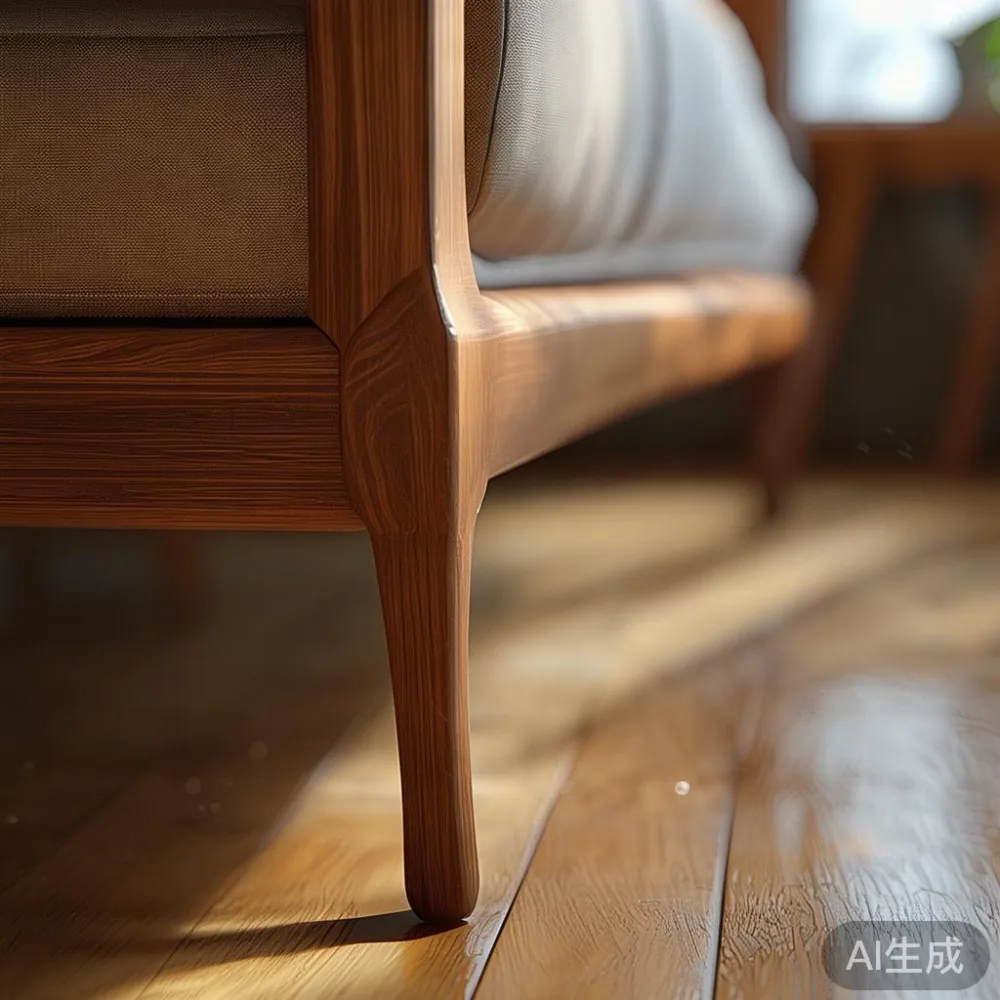
MIDHILL has made solid wood furniture since 2008 and exports to more than 15 countries. That experience matters in Singapore because a finish tested in Foshan’s seasonal conditions still meets different demands in a corridor facing the afternoon sun or a lift lobby with little ventilation. The practical advice below focuses on lacquered seating, especially a sofa sg purchased for an apartment where every centimetre affects daily movement.
What makes lacquer different in Singapore?
Lacquer is a cured surface layer applied to prepared timber. Depending on the production method, it may be a solvent-based film, waterborne coating, or a layered finish combining primer, colour, and topcoat. The film can develop a glass-like depth, while the solid wood below gives the piece warmth and visible grain. On a sofa with timber legs and lacquered panels, the finish typically receives contact around elbows, knees, and the outer arm, where oil and abrasion collect.
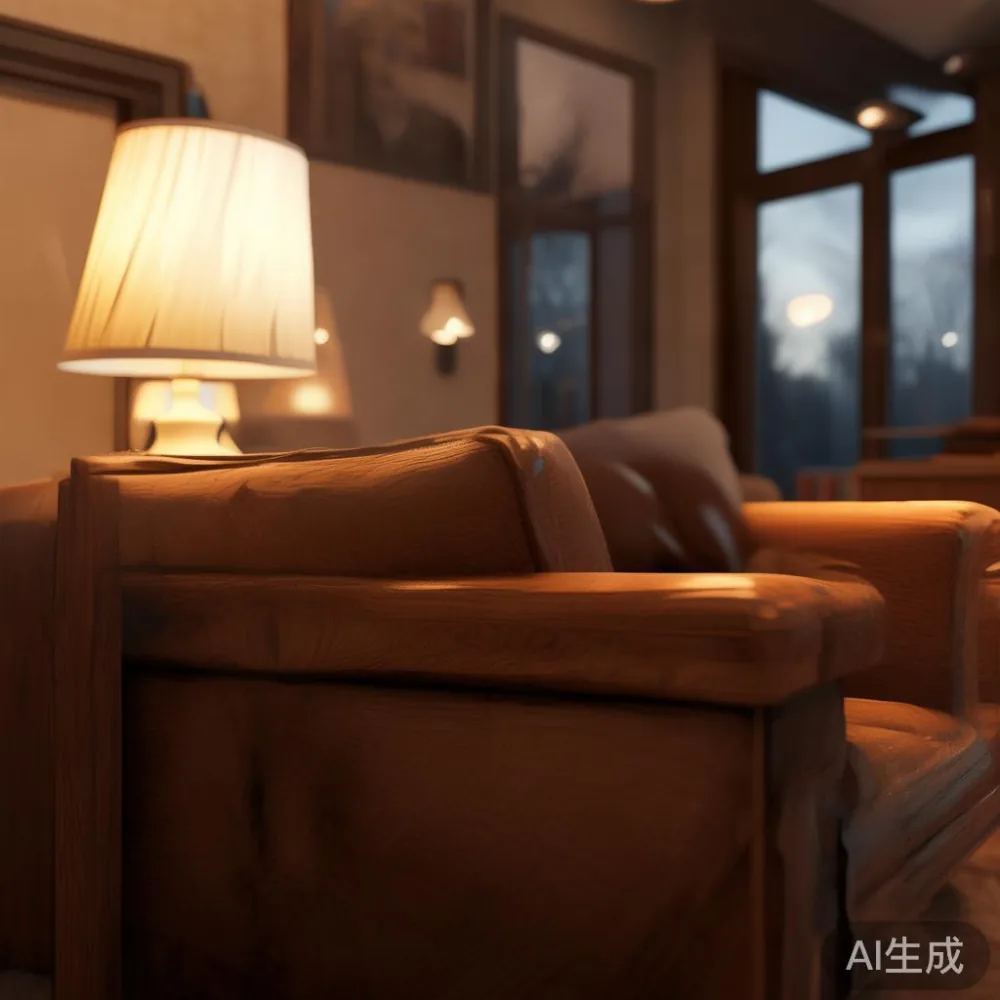
Singapore’s relative humidity commonly ranges from about 65% to 85% through the year. Temperature may sit near 27°C indoors during the day. Neither figure automatically ruins lacquer, but repeated moisture cycling can stress joints and finish edges if the furniture is placed beside an air-conditioning vent. Direct afternoon sun adds another load: UV can fade colour before the substrate visibly ages, while heat can make a coating feel slightly tacky or produce micro-crazing.
For homeowners comparing silhouettes, the phrase French sofa vs Modern sofa often raises questions about proportion more than maintenance. A French-style sofa may have carved detailing and shaped arms, while a modern sofa usually presents cleaner planes. Both can use a lacquered finish, yet intricate edges need more careful wiping than broad, flat panels. The same distinction applies to an Italian light luxury sofa: restraint in colour and generous negative space can make daily care less conspicuous.
How should I prepare a new lacquered sofa for daily use?
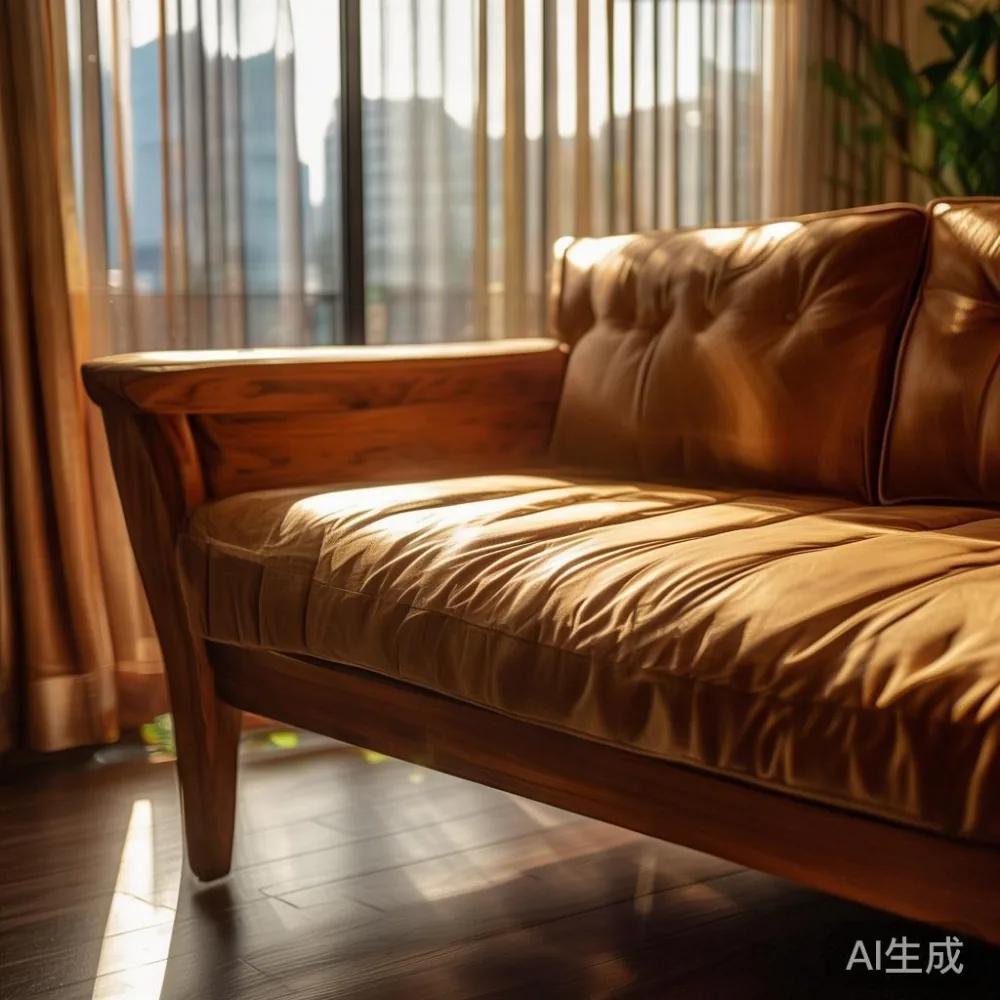
Allow the sofa to acclimate before treating it. Remove all wrapping, but keep the piece away from direct sun for 24 to 48 hours. Check the care label and supplier instructions before applying water or cleaner, because some lacquer systems require a particular solvent or only dry cleaning.
Measure the sofa before delivery planning. A typical 3-seat solid wood sofa may be 210–230 cm long, 85–95 cm deep, and 75–85 cm high. Compact HDB variants may be 180–200 cm long, although a wide chaise model can exceed 240 cm. Check the route from the ground-floor car park or service gate to the lift, then measure the lift door and internal depth. A 90 cm corridor turn may accommodate a 220 cm sofa diagonally, but extra clearance is needed for handles and fingers.
Compare the packed sofa with the lift dimensions rather than assuming it will fit. If the unit weighs 65 kg, use at least 2 trained movers; above 90 kg, use 3 or 4. Strap the lacquered sections separately and do not drag a leg across a corridor wall. This protects both the lacquer and the 10-year structural warranty.
Before delivery, identify one safe low-humidity location. An air-conditioned living room measuring 30–35 m² is usually more comfortable for lacquer than an open veranda or an uncovered ground-floor void. Leave about 45–60 cm between the sofa and a window if direct sunlight reaches the glass, and avoid placing it directly beneath an air-conditioning vent.
How should I clean a lacquered surface each week?
Use a soft, lint-free microfibre cloth folded into a compact square roughly 15 cm by 15 cm. Dust with light, overlapping strokes. A clean brush with 2 cm bristles can release grit from narrow mouldings before damp wiping begins. Avoid feather dusters, because loose fibres can remain in joints and scratch the film.
For ordinary marks, lightly dampen a second cloth with plain water. Wring it until no droplets form, then test a concealed 5 cm by 5 cm area for 10 minutes. Wipe with the grain of the timber, using no more than 2 to 3 passes. Dry immediately with a separate cloth. A visible water ring usually means too much moisture remained on the surface.
For fingerprints, dilute a small amount of pH-neutral dish detergent in a 1-litre spray bottle: approximately 3 ml detergent to 997 ml water. Apply the solution to the cloth, never directly to the sofa. A fingerprint usually disappears after 2 gentle passes. Rinse the dirty section once with a second damp cloth and dry it at once.
Do not use abrasive pads, magic erasers, steel wool, or household ammonia. Although one brand’s formula may appear mild, repeated use can dull a high-gloss surface. Avoid silicone-based furniture sprays for at least 7 days after treatment, because they create a greasy film that attracts dust.
I tested one lacquered sample panel last month at our Foshan factory, where the humidity was higher than the room conditions of a Singapore condominium. I applied 5 fingerprints, wiped one with a lightly damp cloth, and treated another with diluted detergent. After 6 weeks of daily handling, the detergent-cleaned area showed less residue. The panel also survived 120 drops of water without visible swelling. The lesson was simple: less liquid and immediate drying produced the more even result.
How do humidity, sunlight, and condensation affect lacquer?
Keep an indoor relative-humidity reading between 45% and 65% when practical. Singapore homes often exceed that range because of the climate, but a dehumidifier can help in a rarely ventilated bedroom or study. The cabinet setting should be around 50% rather than a continuous blast at 35%. Sudden changes can affect timber movement, and lacquer follows that movement closely.
Position the sofa away from windows with direct western or northern sun. UV exposure can begin fading within 6 months, but the speed depends on glazing, tint, and orientation. A west-facing Tampines HDB unit can receive several hours of late-afternoon light, whereas a shaded Bedok interior may receive little direct exposure. Use curtains with a visible transmittance of around 20% or less, or apply a suitable UV film. Leave 30 cm between the sofa and a radiator-style outdoor grille so rising heat does not concentrate at one arm.
Condensation needs attention too. A cold drink placed on lacquer should be moved after 10 minutes, and a laptop or warm lamp should not be left against the timber for 4 hours. Wipe condensation promptly because trapped moisture can create a dull patch or encourage mould around an open joint.
For an apartment with a high ceiling, ventilation helps more than aggressive surface treatment. Run the air conditioner or dehumidifier for 2–3 hours in the evening and 30 minutes before use. Air movement at roughly 0.5–1 metre per second dries the finish without repeatedly wetting it.
What should I do about scratches, stains, and dull areas?
Minor surface marks should be assessed by depth. A fingernail that catches strongly may indicate a break through the lacquer rather than a superficial scratch. A mark that can be wiped with a damp cloth is usually a surface deposit. A scratch that remains visible but does not catch may be treated cautiously, while a chip exposing brown timber needs professional repair.
For a faint dull mark, use a product approved for the exact lacquer type. Apply about 2 ml to a soft cloth and test it in a hidden 5 cm square. Work along the grain with no more than 5 light strokes. A separate polishing cloth can restore gloss if the supplier recommends it. Do not use automotive compound, which may remove too much film and create uneven reflection.
Ink and oil stains should be addressed immediately. Blot, rather than rub. For an oil spot, place a clean paper towel over the area, then absorb with a second dry cloth. If the mark persists after 15 minutes, ask the supplier for an approved cleaner. A wardrobe, dining table, or marble table may have a different maintenance protocol, so a generic product shelf is not a safe guide.
Deep scratches, peeling edges, and white stress marks should go to a repair specialist. The lacquer may need sanding, filling, recolouring, and recoating. Professionals often restore 1 panel in 5–10 working days, subject to colour matching. MIDHILL offers lifetime refinishing, which is a major advantage when a solid wood sofa develops wear rather than structural damage.
Can different lacquer colours hide damage differently?
Yes. Warm white lacquer displays dust and small dark scratches readily, while a mid-brown finish can make fine scratches less obvious. High-gloss black shows fingerprints, dust, and reflected scratches; matt black generally shows surface deposits but less obvious reflection lines. Smoked grey can reveal colour fading because dust and pale abrasion lines contrast with the darker film.
Colour choice also affects perceived maintenance. In an HDB flat with 4 people and 1 pet, a muted oatmeal or light taupe may show less everyday soil than a very pale cream. In a Punggol condo with broad windows, deeper walnut or charcoal tones can reduce glare. Still, no colour is maintenance-free. Keep the sample swatch near the sofa for 7 days and compare it under morning and evening light before ordering a large surface.
Finish type matters as well. A satin lacquer may disguise fine marks but require careful solvent-compatible care. A piano-gloss finish reflects more clearly and shows fingerprints within 1 hour. Confirm the sheen, cleaning method, and repair options before purchase. A written 10-year structural warranty covers the frame and construction, while finish coverage can follow separate terms.
How do I fit lacquered furniture into a compact Singapore home?
Measure circulation before visual styling. In a compact HDB living room, allow at least 75 cm beside the main seat and about 90 cm in front of it for movement. A 210 cm sofa against a 260 cm wall leaves only 25 cm on each side, so it can look crowded unless used as a floating arrangement. A 180 cm sofa gives the same room 40 cm more breathing space.
Lift access can determine delivery cost and timing. Standard residential lifts in many Singapore buildings measure about 110 cm deep and 90–100 cm wide at the door. Staircases and lobbies may narrow further. Provide measurements, photographs, and the booked delivery window to the supplier. Allow 7–14 delivery days for a made-to-order lacquered piece, though the confirmed lead time depends on the finish and production queue.
Protect nearby surfaces during installation. A solid wood sofa, bed frame, wardrobe, and nightstand should not be forced against damp masonry. Use 2 cm felt pads beneath legs and keep 3 cm of clearance from skirting boards where possible. For marble table surfaces, use a separate pH-neutral stone cleaner because acidic products can dull the stone even when the nearby lacquer is safe.
Light-luxury styling works best when the room has restraint. French light luxury might use a curved lacquered frame, creamy textiles, and a narrow console. American light luxury can pair a straight solid wood sofa with warm white walls and black accents. Post-modern light luxury plays with proportion, pairing a compact lacquered sofa with a larger circular dining table or an offset bed frame.
For a bedroom, the questions of Italian light luxury for guest room and how to style American bed in apartment are often linked to clearance. A 160 cm queen bed needs about 70 cm on accessible sides in a compact room; a 135 cm single bed can free 25 cm. An Italian light luxury bed may have a broad upholstered headboard, so reserve another 8–10 cm behind it for wall access and cleaning.
When choosing a European-style frame, how to choose European light luxury bed is partly a measurement exercise and partly a finish decision. Check the external dimensions, not only the mattress size. Also identify whether the lacquer is on the headboard, side rails, footboard, or all timber surfaces. Sealed under-bed storage is useful in a Tampines flat, while an open frame is easier to inspect for humidity.
What is a realistic maintenance schedule?
A 10-minute routine each week is enough for an actively used sofa sg. On Monday, dust the lacquered panels with a dry microfibre cloth. On Thursday, inspect the seat edges and armrests for marks. In humid months, check for condensation on the same evening the air conditioner runs. A thorough damp wipe every 3–4 weeks is usually sufficient in a cool, shaded living room; reduce this if the lacquer is already damp or newly repaired.
Every 6 months, examine the underside of the seat, the joints, and lacquered edges with a flashlight. Look for lifting, blisters, or a change in sheen. Rotate loose cushions monthly so the same area does not receive constant pressure. Keep at least 30 cm between a floor fan and the timber so grit is not blown directly onto the finish.
Do not schedule wet cleaning immediately before guests arrive. Give the surface at least 2 hours to dry in a ventilated room, and longer if humidity exceeds 80%. Vacuum the sofa with a brush attachment once a month, using suction reduced to 3–4 on the upholstery setting so the head does not catch a seam.
For piece selection, MIDHILL’s solid wood construction, 10-year structural warranty, and lifetime refinishing offer practical support over a 10-year ownership cycle. Singapore orders over US$350 qualify for free shipping, though local delivery fees, GST, and lift-access charges may still apply. The 14-day return policy gives buyers time to inspect the lacquer in their own light. These details support confidence, but the best protection still comes from controlled humidity, limited direct sun, and gentle cleaning.