Caring for a Lacquered Surface in a Tropical Climate: A Singapore Owner's Guide
Singapore sits one degree north of the equator, and the air in places like Tampines and Punggol rarely drops below 75% relative humidity. If you have just bought a lacquered solid wood sofa, a bed frame with a glossy finish, or a dining table with a piano-black top, that moisture is working on your furniture every hour of every day. After visiting a customer in Bedok last month whose three-year-old dining table had started to haze at the edges, I realised most Singapore owners simply do not know what their lacquer is up against. This guide is written for the HDB flat and condo owner who wants their pieces to look new ten years from now, not for a workshop technician.
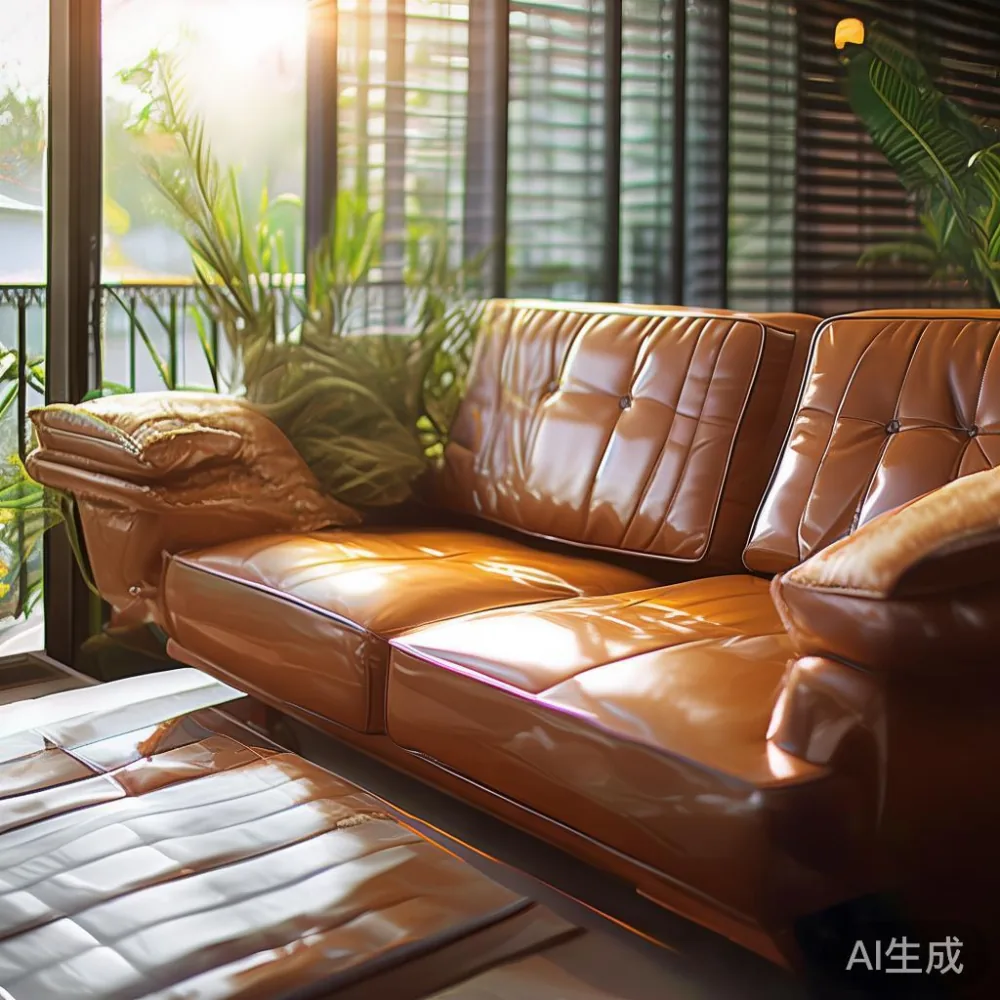
Why does lacquer behave so differently in Singapore than in, say, Frankfurt?
Most factory-applied lacquers used on a marble table with wooden accents, a wardrobe door, or a nightstand top are nitrocellulose or acid-catalyzed coatings cured at around 60-80°C in a controlled spray booth. Once the piece leaves that booth and lands in a Jurong corridor where the afternoon humidity reads 82%, the coating is no longer in its ideal environment. It expands and contracts at a different rate than the solid rubberwood or ash underneath. The result is micro-checking, orange peel under raking light, and eventually white haze on the surface. A lacquered top that would age gracefully over 15 years in a temperate climate may show visible dulling in 4-6 years here, unless you intervene.
There is a second issue specific to lacquer: it is not a closed plastic film like PU. It breathes. That is part of the French light luxury aesthetic many of us chase, where the wood grain still feels present under the sheen, but it also means water vapour can pass through. In a non-air-conditioned store room during a thunderstorm, that vapour gets trapped under the film and creates the cloudy patches Bedok customers keep calling me about.
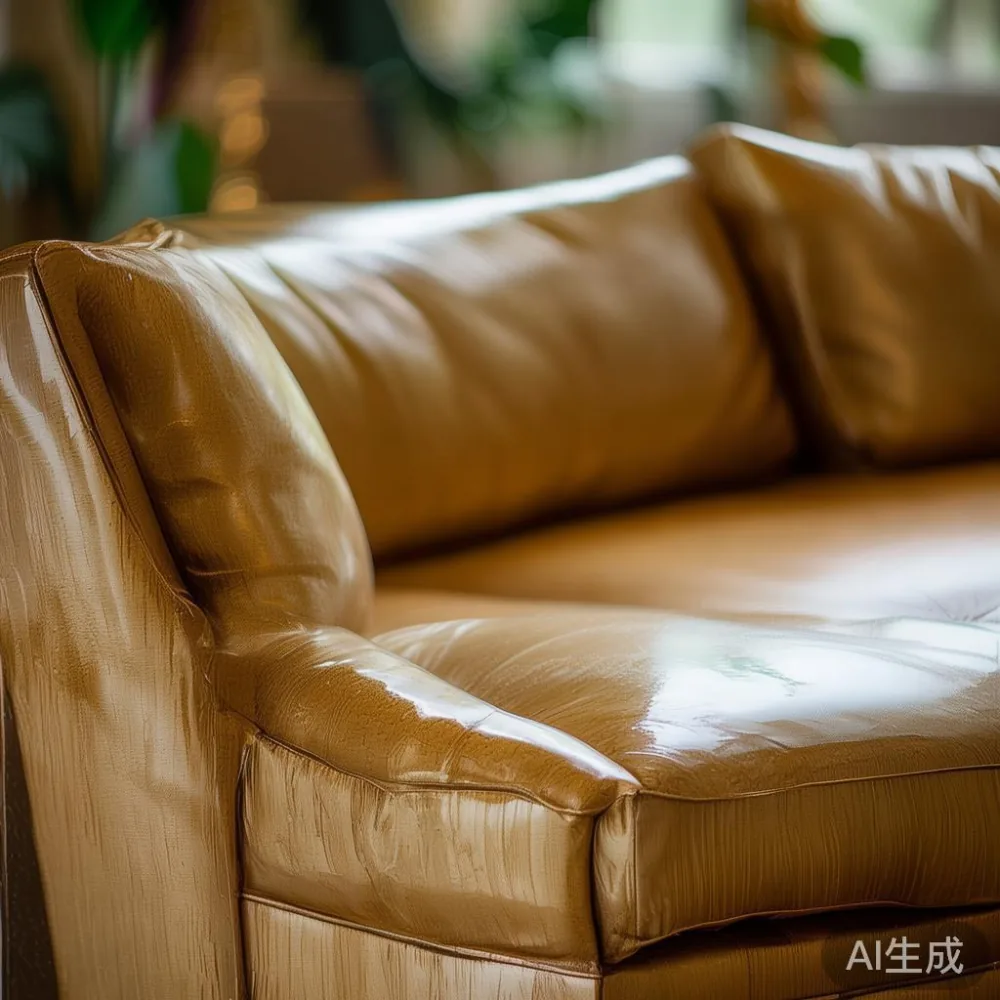
What should I do in the first 30 days after delivery?
The first month is when lacquer is most vulnerable. Hardness continues to build, and any neglect becomes permanent. Here is the exact routine I gave the Bedok customer, and which works for any lacquered piece from a solid wood sofa frame to a 1.8 m wardrobe door:
- Day 1-3: Keep the piece in the most stable room available. Do not place it directly under the air-con vent. The goal is to let the lacquer acclimatise slowly. Moving a dining table from a 26°C, 80% RH delivery van into a 22°C, 60% RH living room in under an hour creates a stress event the coating does not need.
- Day 4-14: Wipe down every other day with a dry microfiber cloth (around SGD 8 for a two-pack at any Spotlight in Tampines Mall). No chemicals. No water.
- Day 15-30: Inspect every surface under a torch held at 45°. Any dull patch you can see now is what will become visible wear later.
If you spot a dull patch in the first 30 days, that is a factory or transit issue, not a home-care issue. Flag it to the seller immediately. MIDHILL for example covers visible lacquer defects inside the first 14 days under their return terms, which is also why their return policy buying guide explicitly lists surface inspection before wooden ladders.
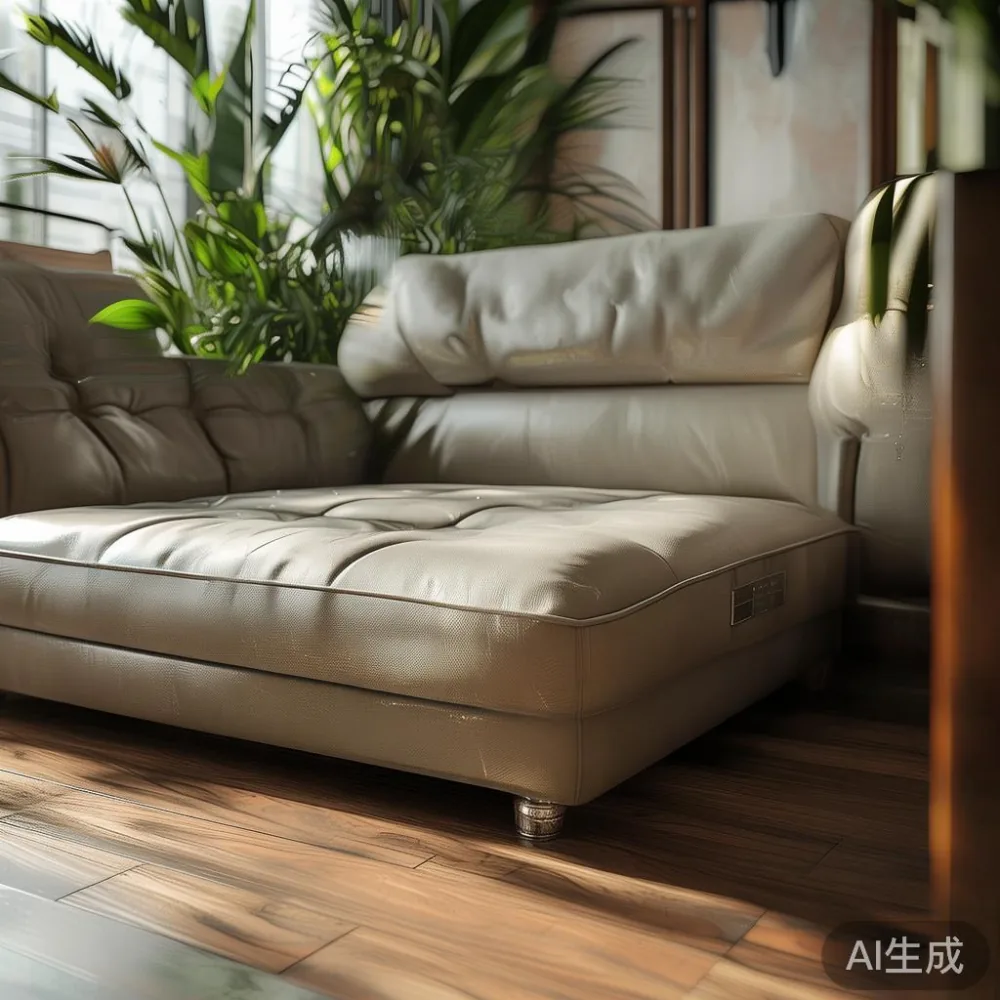
How do I style a American loveseat in a small apartment?
Choose a loveseat under 150 cm wide in a light-oak or ash finish with a satin lacquer, skip the matching ottoman, angle it 10° off the wall opposite a slim walnut console, and finish with one black-framed print and a brass floor lamp. The American light luxury look reads best when the lacquer sits at 30-40 gloss units, not a piano mirror finish, so the wood grain still anchors the room and your eye reads the piece as solid wood furniture rather than a lacquered box. In a typical 4-room HDB of around 90 sqm, a 145 cm loveseat with a 60 cm arm height leaves a usable 70 cm walkway, which matters more than the Instagram photo suggests.
Daily and weekly cleaning — what actually works in HDB humidity?
Most owners grab the nearest pledge or citrus spray. That is the single biggest mistake. Silicone-based polishes build up a waxy film that traps moisture against the lacquer, and citrus solvents soften acid-catalyzed coatings within weeks. Stick to dry methods as your default, and reserve wet cleaning for genuine spills.
For a solid wood sofa frame or dining table, my routine is: dry microfiber in the direction of the grain once a day, a barely damp (wring until no water drips) cotton cloth once a week, and a proper wax or hard-oil refresher once every six months. Avoid the green scrubbing pads sold at neighbourhood provision shops. Even a soft Scotch-Brite leaves micro-scratches that scatter light and turn a satin lacquer into a matte surface within a year.
If you live in a Punggol condo with full-length windows facing south-west, close the curtains between 1 pm and 4 pm. UV is the second killer of lacquer after humidity. The morning sun through a typical 3-Track HDB window is enough to start yellowing a clear coat within 18 months, and reversing yellowing requires a full respray, which runs about SGD 180-260 per square metre of surface in Singapore.
How often should I refinish, and what does it cost locally?
For a typical 2.2 m dining table top, expect to pay around SGD 280-380 for a sand-and-rerun with a pre-cat lacquer. A solid wood sofa frame with arm panels and base aprons runs SGD 600-900 because there is more masking time. A wardrobe with two large doors is roughly SGD 450-650 per door. These are the rates I have seen quoted by three different Tampines-based workshops over the past year, so treat them as a working range rather than a quote.
If your piece is under ten years old and the structure is sound, refinishing almost always beats replacing. MIDHILL offers lifetime refinishing on pieces bought directly through them, which for many owners changes the math entirely. The 14-day return window and free shipping above US$350 are useful entry terms, but the refinishing promise is the part that protects a piece through Singapore's climate cycles.
Can I air-condition my way out of humidity problems?
Running the air-con at 24°C for eight hours a day brings indoor RH down to around 55-60%, which is much friendlier to lacquer. But two practical issues bite. First, the moment you switch the unit off, the room rebounds to 80% within 90 minutes in a typical HDB. The wood and lacquer see that swing every day, and the expansion-contraction cycle is what cracks the film at the joints. Second, the air-con itself blows dust across a static-prone lacquer surface, which builds up faster than most owners notice.
A dehumidifier set to 55% RH is the better tool for a closed room, especially one holding a piano, an American light luxury solid wood sofa, or a lacquered dining table. A standard 12 L/day Meaco or similar unit costs about SGD 320-400, pulls under 200 watts, and will run the room 24/7 for around SGD 12-18 a month in electricity. Over five years that is cheaper than one refinishing job, and the lacquer stays clearer for it.
What about the gaps between the lacquered parts?
Watch the seams where a marble table meets its wooden base, the corners of a nightstand drawer, and the joints around the back panel of a wardrobe. These are where humidity enters first. A thin bead of clear furniture wax rubbed into the seam every quarter keeps the wood fibres beneath from swelling. A swollen fibre under lacquer eventually pushes the coating off and you get the chipped corner owners post about on Carousell. The fix is simple and costs about SGD 14 for a tin of Briwax that will last you two to three years across the whole flat.
Are there any products sold in Singapore I should specifically avoid?
Yes. I keep a small blacklist in my phone after testing products for clients in Punggol and Clementi:
Anything labelled "orange oil" or "lemon oil" sold at neighbourhood hardware counters. The d-limonene softens lacquer within four to six weekly applications and leaves a sticky residue that grabs dust.
Aerosol furniture polishes with silicone. They give a five-minute shine, then build a film that nothing except a full sand can remove.
Wet wipes, even the "sensitive skin" unscented ones. The surfactants strip the wax layer I just told you to maintain.
Anything with acetone or nail polish remover near the surface. A careless hand at the dining table during a home manicure has destroyed more lacquer finishes in this country than humidity has.
How do I deal with a spill or a stain I have already got?
Act within thirty seconds. Blot, never wipe. For water rings on a dining table, a paste of baking soda and a few drops of water applied with a soft cloth, left for two minutes, then removed, brings about half of light rings out completely and improves the rest. For oily marks, a tiny amount of cornstarch left overnight absorbs the oil and you brush it off in the morning. Anything beyond that, and you are in professional territory.
If a lacquered wardrobe door has picked up a deep scratch, do not fill it with a marker pen from the stationery shop. The pigment does not match the coating and it draws the eye straight to the damage. A professional touch-up kit from a furniture-finishing supplier in Singapore costs around SGD 45-90 and includes the correct hardener, thinner, and a selection of tints you can blend to your exact sheen level. It is the closest thing to a home repair you will get without a spray gun.
What about moving day — HDB corridors, and those tight lift doors?
A 4-room HDB corridor is typically about 1.2 m wide, and the lift door opening is around 0.9 m wide by 2.1 m tall. A lacquered wardrobe with two doors often arrives fully assembled at 1.8 m tall and 1.6 m wide, which barely fits and stresses the top edge every time the movers tilt it. I watched a move last month in Tampines where a dining table top was rotated through a corridor at the wrong angle and picked up a 12 cm scratch along the lacquered edge that the customer only noticed three days later. The fix was a SGD 220 touch-up plus a lesson learned.
Two rules: measure before the truck arrives, and ask the movers to wrap the lacquered face in moving blankets, not bubble wrap against the lacquer directly. Bubble wrap against a fresh lacquer surface in a hot lift leaves imprint marks that take two to three months to fade.
Frequently asked questions from Singapore owners
How long should a quality lacquer last here? With reasonable care, 8-12 years before the first visible dulling, and 15-20 years before refinishing is needed. Without care, expect to refinish in 6-8 years.
Is a matte lacquer easier to maintain than a gloss? Yes, in a tropical climate. A 20-gloss satin hides micro-scratches and dust far better than a 90-gloss piano finish. For high-use pieces like a solid wood sofa frame or a dining table, satin is the practical choice.
Can I place a lacquered piece on a balcony or in a service yard? No. Even under cover, the humidity swings are too severe. Keep lacquered furniture in air-conditioned or dehumidified indoor spaces only.
Does the warranty cover humidity damage? Structural warranties cover joinery failure, not surface wear from the local climate. Read the fine print and ask the seller in writing what is and is not covered. A brand that offers lifetime refinishing, like MIDHILL, is the one that stands behind the surface as well as the frame.
Closing thought
Lacquered furniture in Singapore is not difficult to maintain once you accept that the climate is the active ingredient in every decision you make. Keep the humidity stable, keep the sun off, keep the harsh chemicals in the kitchen, and your solid wood sofa, bed frame, dining table, wardrobe, and nightstand will outlast two rounds of renovation in your HDB. The pieces are built for this. Your job is simply to give them a stable room to age gracefully in.