Solid Wood Furniture: Unveiling the Price Drivers
When you walk into a showroom or browse online for a new sofa sg, the price difference between one piece and another can be staggering. A simple-looking wooden sofa might cost SGD 1,500, while another, seemingly similar model, could be priced at SGD 4,500. As a specialist who has examined furniture production lines in Foshan and helped countless Singaporean homeowners furnish their HDB flats and condos, I can tell you that the cost is not arbitrary. It's a story of materials, labour, design, and the specific demands of life in Singapore.
Last month, I visited a client in a Punggol condominium. Her living room was long but narrow, a common layout in Singapore's newer housing estates. She had just purchased a large, bulky sofa online, and it was a nightmare to get it through her front door. The lift was too small, and the corridor width was a tight 120 cm. The sofa, at 190 cm wide, had to be dismantled, a process that damaged the frame. This experience is a perfect illustration of why furniture pricing is so complex. It's not just about the wood; it's about the engineering, the foresight for urban living, and the quality of every single joint. This is the world of solid wood furniture, where every dollar you spend is reflected in the material, the craftsmanship, and the thoughtfulness behind the design.
Why Does a Solid Wood Sofa Cost More Than a Veneer One?
The single most significant factor in the price of a solid wood sofa sg is the raw material itself. Solid wood means the entire frame, the legs, and the main structural components are carved from a single piece of timber, such as oak, walnut, or mahogany. This is in stark contrast to furniture made with MDF (Medium-Density Fibreboard) or particleboard, which are in effect wood chips and resin pressed together.
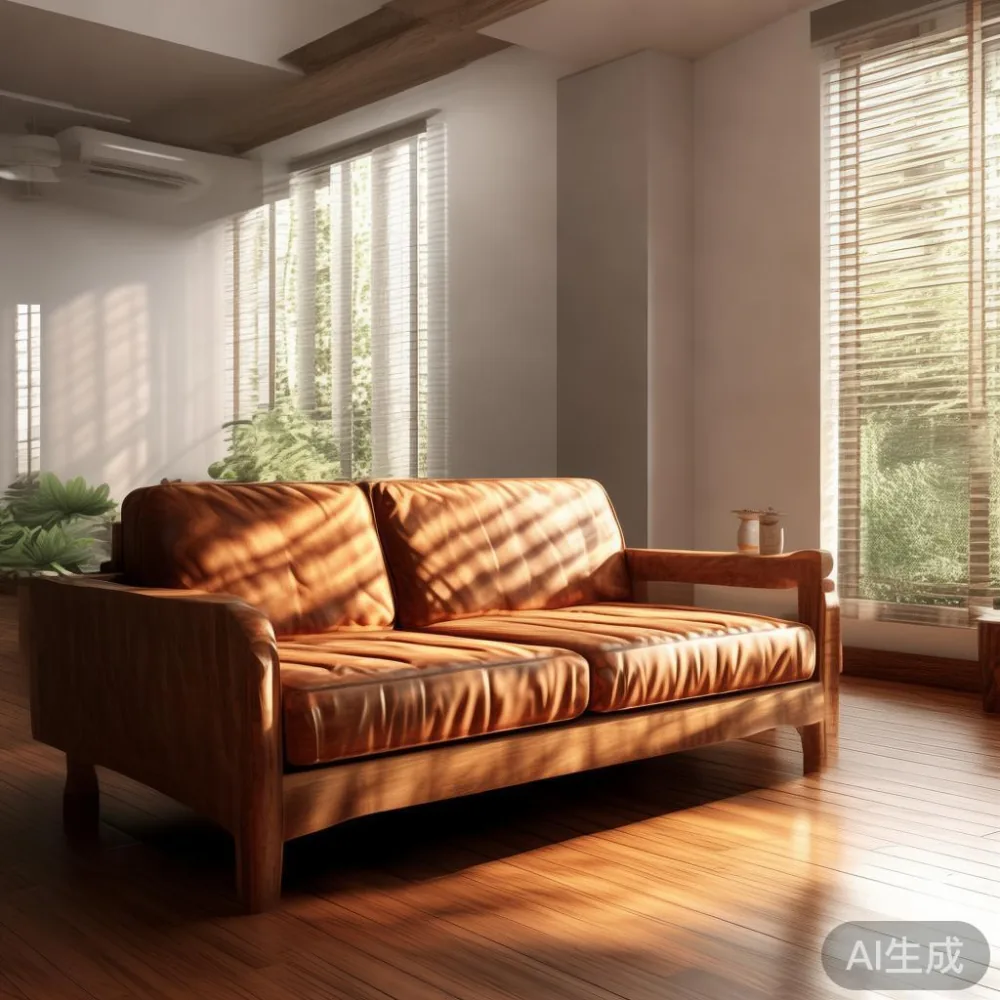
The cost of solid wood is determined by several factors. First is the wood species. Oak is a popular choice for its durability and attractive grain, with prices starting around SGD 80 per square foot for good quality timber. Walnut, with its rich, dark colour, can command over SGD 150 per square foot. The second factor is the grade of the wood. 'Select' grade wood has few knots and a uniform grain, making it more expensive than 'Common' grade, which may have more character but also more imperfections. A solid wood frame for a high-quality sofa can use up to 15 cubic feet of timber, representing a material cost alone of several hundred dollars before a single nail is driven.
In contrast, a veneer sofa uses a thin layer of real wood glued over a cheaper core, usually MDF. This core material costs a fraction of solid wood, perhaps SGD 5 per square foot. While veneer can look beautiful, it lacks the structural integrity and longevity of solid wood. Over time, especially in Singapore's humid climate, the glue can weaken, causing the veneer to peel or bubble. A solid wood frame, however, will last for decades, which is why brands like MIDHILL offer a 10-year structural warranty. It's an investment in long-term quality, not just a short-term aesthetic.
How Much Does Labour and Craftsmanship Add to the Price?
Once you have the raw wood, the real work begins. The transformation from a rough timber plank to a finished sofa sg is a labour-intensive process that dramatically impacts the final price. This is where the difference between a mass-produced piece and a well-crafted one becomes clear.
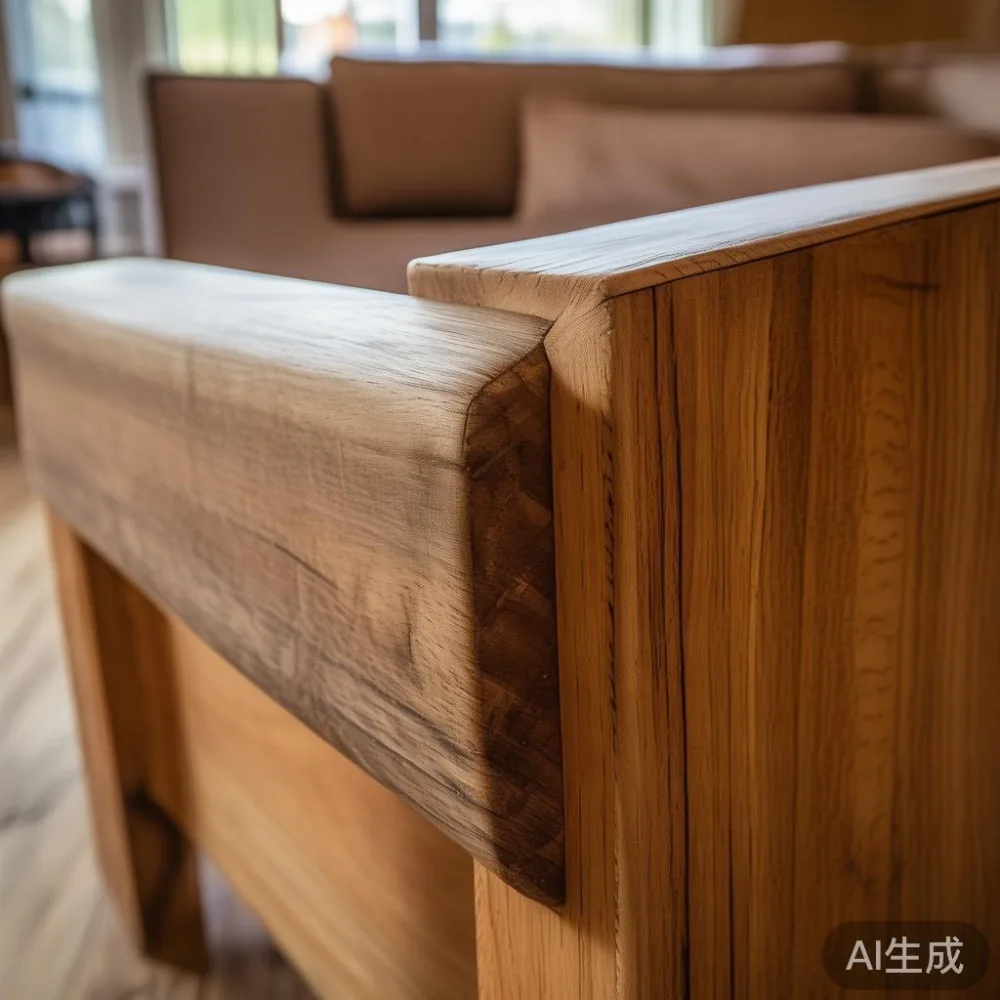
Consider the joinery. A high-end sofa will use traditional joinery methods like mortise and tenon joints or dovetail joints. A mortise and tenon joint involves a square hole (mortise) cut into one piece of wood that a corresponding square tongue (tenon) on another piece fits into. This creates an incredibly strong, interlocking connection that requires precision cutting. A skilled carpenter can take up to 2 hours to hand-cut a single mortise and tenon joint for a sofa frame. For a sofa that might have 20 such joints, that's 40 hours of skilled labour just in the frame construction.
On the other hand, a cheaper sofa will rely on staples, screws, and corner blocks. While these methods are faster and cheaper to produce, they are not as durable. Staples can loosen over time, especially with the weight of daily use, leading to a wobbly or sagging frame. The craftsmen at Foshan furniture workshops, where many of our pieces are made, are artisans who have trained for years. Their expertise is reflected in the tightness of the joints, the smoothness of the wood, and the stability of the furniture. This level of craftsmanship is a significant part of the price, but it's also what ensures your sofa will remain a centrepiece of your home for years to come.
Does Design and Style Really Affect the Cost of a Sofa?
Absolutely. The design of a sofa sg is not just about how it looks; it's about how it's engineered and the complexity of its form. This is a key area where light luxury positioning comes into play. A French light luxury sofa, for example, might feature intricate hand-carved details on the arms or legs, a process that adds significant time and cost. An American light luxury style might focus on clean lines and premium upholstery, with high-density foam cushions that are more expensive to produce than standard ones.
Post-modern light luxury designs often play with unconventional shapes and materials. Imagine a sofa with a solid wood base and a marble table top integrated into one side. The marble itself is a major cost factor. A single slab of high-quality Carrara marble for a small side table can cost over SGD 800, and it requires specialized cutting and polishing equipment. The challenge is not just the material cost, but also the engineering required to support the heavy marble securely on a wooden frame without compromising the structure.
Design also dictates functionality. Singaporean homes, especially HDB flats in areas like Tampines and Bedok, often have space constraints. A well-designed sofa might include hidden storage compartments, a feature that requires complex internal framing and hardware. This is where the concept of 'Modern light luxury with storage' becomes relevant. The design must be beautiful, but it must also be intelligent, solving real-world problems for the homeowner. The more complex the design, the more time is spent on prototyping, testing, and refinement, all of which are factored into the final price.
How Do Singapore-Specific Factors Influence Furniture Pricing?
Beyond the general costs of materials and labour, several factors specific to Singapore have a direct impact on the price of furniture. The first is the Goods and Services Tax (GST). Currently at 9%, GST is applied to the final selling price of the sofa sg. This means a sofa with a pre-tax price of SGD 4,100 will have a final price of SGD 4,469. This tax is unavoidable and is a standard component of all retail pricing in the country.
Second is the logistics of delivery and installation. Singapore's urban landscape presents unique challenges. Working through the narrow corridors of older HDB flats or the tight lifts in newer condos requires careful planning. Furniture companies must account for the size and weight of their products. A large sofa might need to be delivered in two boxes and assembled on-site, a service that adds to the cost. Free shipping, like the offer from some retailers for orders over SGD 350, is a significant value proposition that is built into the pricing structure of their products.
Third is the climate. Singapore's high humidity can cause wood to expand and contract. A high-quality solid wood sofa must be made from kiln-dried wood, which has been dried in a controlled environment to a specific moisture content (typically 6-8%). This process prevents the wood from warping or cracking after it's brought into the home. Kiln-drying is an extra step that adds to the production time and cost, but it is non-negotiable for durable furniture in our climate. A colleague of mine in the logistics department often mentions how improperly dried wood furniture from overseas arrives in Singapore swollen and damaged, leading to costly returns and unhappy customers.
Why is a Lifetime Refinishing Warranty Such a Big Deal?
When you see a promise of 'lifetime refinishing' attached to a sofa sg, it's not just a marketing gimmick; it's a reflection of the product's quality and the manufacturer's confidence in their materials and craftsmanship. This warranty is a key indicator that you are buying a premium piece of furniture.
A lifetime refinishing warranty means that if the wood finish on your sofa ever fades, chips, or wears out, the manufacturer will refinish it for you, often for just the cost of shipping. This is only possible if the sofa was finished with high-quality, durable materials like a catalyzed varnish or lacquer. These finishes are more expensive than standard stains or lacquers but provide a much harder, more resistant surface. The process of refinishing is labour-intensive, involving sanding down the old finish and applying multiple new coats, which is why a company would only offer this on a product they are certain is built to last.
Think about it this way: a cheap sofa might look good for a few years, but the finish will degrade quickly. Once it's gone, you can't easily restore it. A sofa with a lifetime refinishing warranty, on the other hand, can be restored to its original beauty, extending its life indefinitely. This transforms your purchase from a disposable item into a true heirloom. It’s the difference between buying a piece that will need to be replaced in 5-7 years and one that can be passed down to the next generation. This long-term value is a critical part of what justifies a higher initial price point.
What Exactly Am I Paying For When I Buy a Solid Wood Sofa?
By now, the picture should be much clearer. The price of a solid wood sofa sg is a composite of many tangible and intangible elements. You are paying for the premium raw material—the oak or walnut that forms the frame's very bones. You are paying for the skilled labour of the craftsmen who cut, shape, and join that wood with precision. You are paying for thoughtful design that considers the aesthetics of your home and the practicalities of Singaporean living spaces. You are paying for durable finishes that protect the wood from our humid climate, and for warranties that provide peace of mind for decades to come.
It's easy to focus on the sticker shock, but it's more helpful to see the price as a breakdown of value. When you compare a SGD 1,500 sofa to a SGD 4,500 one, you're not just comparing wood to MDF. You're comparing a 5-year lifespan to a 50-year lifespan. You're comparing a staple-and-glue construction to a mortise-and-tenon construction. You're comparing a finish that will peel in two years to one that can be refinished a decade later. The higher price is an investment in quality, durability, and timeless style.
Ultimately, the decision comes down to your own priorities. If you view furniture as a temporary solution that will be replaced when you move or your tastes change, a less expensive option might suffice. But if you want to build a home with pieces that have character, durability, and a story to tell, then the price of a solid wood sofa is a reflection of that commitment. It's about choosing a sofa sg that is not just a place to sit, but a cornerstone of your home's design and a legacy for the future.