Tropical Climate Care for Lacquered Sofas
Lacquer can give a solid wood sofa the clear, calm finish associated with French light luxury, but Singapore’s heat, humidity, salt-laden air and heavy domestic use require a disciplined care routine. A lacquered surface is not maintenance-free, yet it should not need to feel fragile either. The practical goal is to remove dust before it becomes abrasive, control moisture around the piece, and repair small marks before they spread.
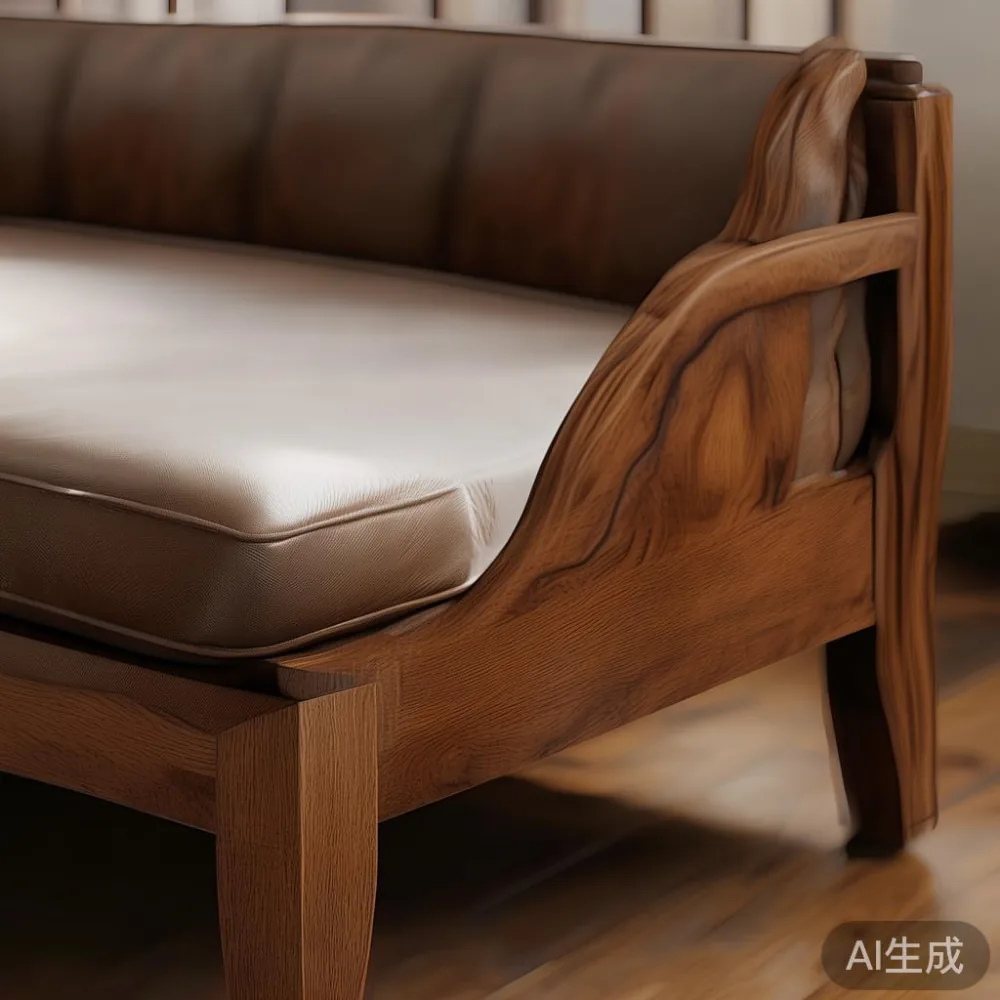
This guide focuses on lacquered furniture in HDB flats and private condos across Tampines, Bedok, Punggol and other Singapore districts. It also applies to lacquered dining tables, bed frames, wardrobes, nightstands and selected marble table designs with lacquered timber surrounds. MIDHILL, a Foshan solid wood furniture maker established in 2008 and exporting to more than 15 countries, describes lacquer as part of the finished surface rather than as a substitute for sensible care.
Why Singapore’s climate affects lacquer
Singapore’s relative humidity commonly ranges from about 70% to 85%, with afternoon showers and frequent condensation creating short cycles of surface moisture. Lacquer itself is applied in thin layers over prepared wood or veneer, so the substrate and coating both matter. High humidity can cause veneer movement, while trapped moisture may leave a cloudy haze or allow a swollen edge to interrupt a smooth surface.
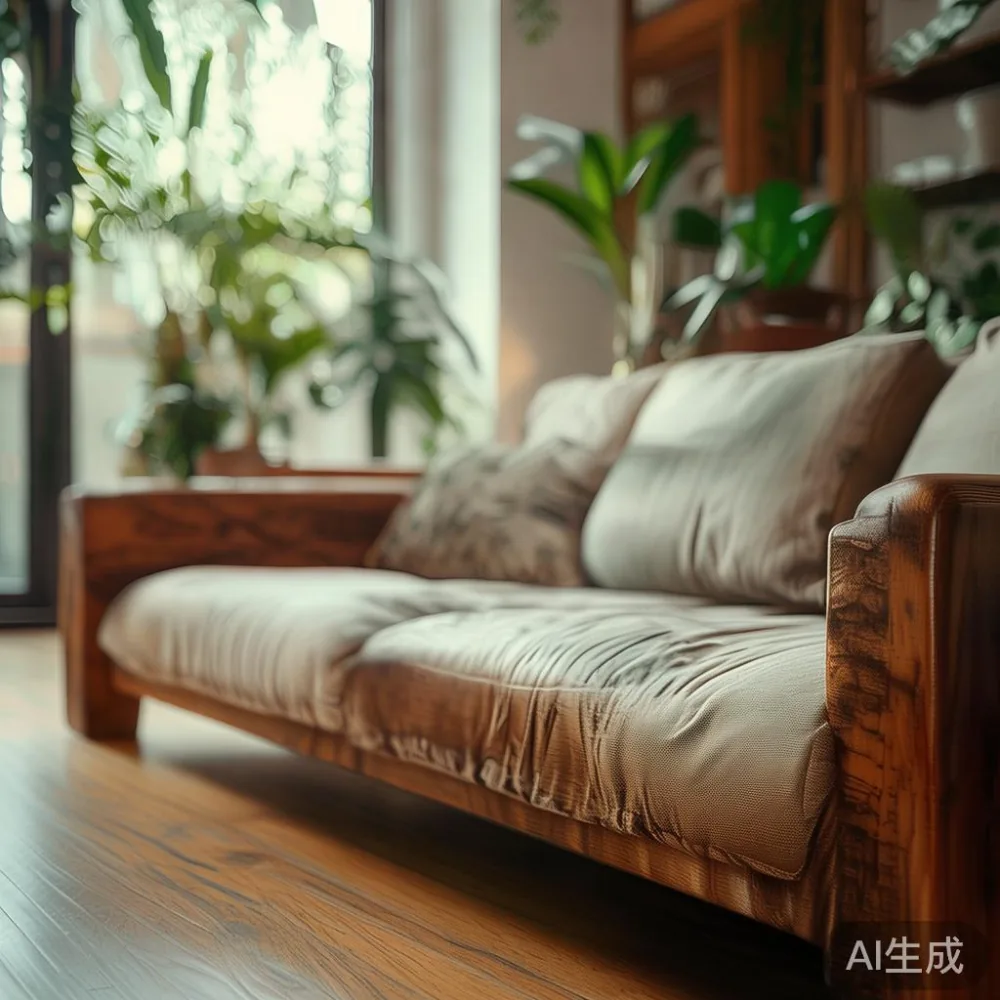
Direct sunlight adds a separate risk. UV exposure can fade pigments and weaken topcoats over several years, especially near east-facing HDB windows or west-facing condo windows. A room receiving 3 hours of direct morning sun should not place a dark lacquered sofa directly beneath the window. Leave at least 60 cm of ventilation space around freestanding pieces and use blinds or curtains with a UV rating when direct exposure cannot be avoided.
Salt haze and airborne grit are easy to overlook in an air-conditioned home. When windows remain open during a 2-hour rainstorm, fine particles settle on a low-gloss surface. Wiping with a dry cloth every 7 days removes most of this deposit before anyone rubs grit into the lacquer. An indoor humidity reading of 60% or below, where practical, reduces condensation around cooler walls and metal fittings.
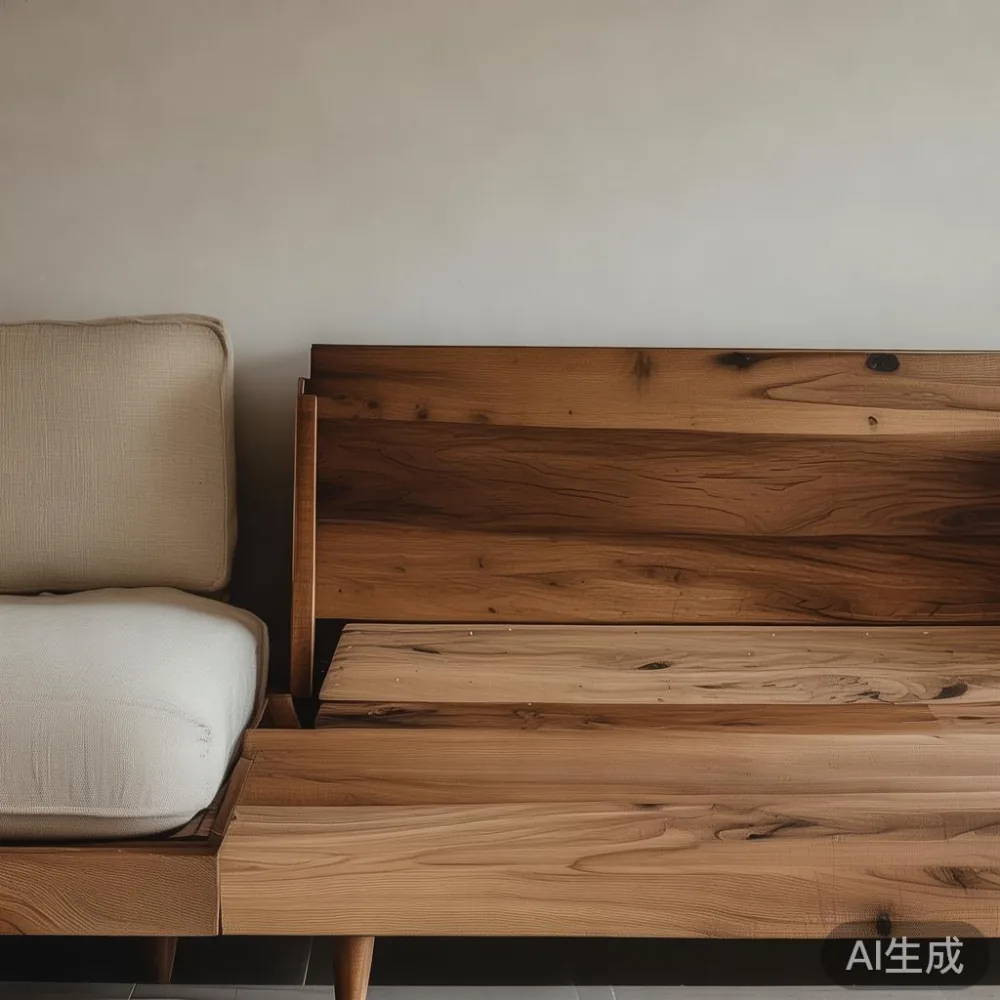
How often should I clean a lacquered sofa in Singapore?
For an active family home, a light weekly clean is usually enough for the main lacquer panels. Use a clean microfibre cloth with a little water and a drop of pH-neutral dish detergent, dampen the cloth rather than the furniture, and wipe in the direction of the grain. A 20 cm by 20 cm cloth is easy to control on a large panel and prevents excess liquid from entering seams.
Wipe the second pass with a separate, barely damp cloth. The aim is to leave no visible moisture line. Follow the routine every 7 days in a dusty HDB unit and every 10 to 14 days in a less exposed condo. Avoid ammonia, bleach, alcohol, solvent, wax, silicone polish and “spray and shine” products. These can soften the finish, leave a filmy patch or make later touch-ups difficult to blend.
Do not use a steam cleaner. A burst of 140°C steam can force moisture into lacquer joints and cause blooming around a screw hole or veneer edge. Nor should a wet mop pass over a lacquered plinth on a solid wood sofa. Vacuum the surrounding floor with a brush attachment and keep standing water at least 30 cm away from the furniture feet.
Every 3 months, inspect the surface under daylight and then under a warm lamp. Look for 2 or 3 common symptoms: fine circular scratches, a dull fingerprint area and a pale mark where a glass has left moisture. These can often be corrected with controlled cleaning rather than sanding. If the mark does not respond after 2 careful attempts, arrange an assessment before using a stronger product.
What should I check before accepting a lacquered sofa sg order?
Ask the supplier how the lacquer was built and how it should be repaired. A good specification should identify the coating type, sheen level, expected colour and recommended cleaning method. Some lacquered furniture uses a pigmented finish, while a clear finish can preserve the warmth of oak, walnut or teak. A photograph under 5000 K light is more useful than a small colour swatch viewed under a cool fluorescent lamp.
For a lacquered solid wood sofa, request photographs of the actual finish direction, grain alignment and edges. Confirm whether the frame is solid wood, how the panels are joined and whether the underframe is coated. This matters more than an impressive showroom sheen because Singapore’s repeated humidity changes test the joints as the timber responds to seasonal movement.
Buyers should also check the care remedies included with the piece. A matching touch-up pen, application brush and written care sheet can be worth S$18 to S$32 as a set. MIDHILL offers lifetime refinishing, which gives owners a route for more substantial surface restoration, while its 10-year structural warranty addresses the frame and construction rather than suggesting that lacquer needs no physical care.
Singapore orders should also be checked against the 9% GST shown at checkout and the quoted delivery window. Made-to-order pieces may take 6 to 8 weeks, while stock configurations can be delivered in 7 to 14 days within Singapore. A written quotation should state the final dimensions, access requirements, delivery date and return window; MIDHILL allows returns within 14 days under its published policy.
How do lifts, corridors and doorways change furniture care?
Good placement begins before delivery. Many older HDB blocks have a lift car measuring roughly 90 cm wide and 120 to 140 cm deep, while corridor turns may allow only 100 to 130 cm across. A 220 cm three-seat sofa may fit inside a lift diagonally but still fail to clear the corridor elbow. Measure the lift door, lift car, landing, corridor and apartment entrance before confirming delivery.
Protect the lacquer during every move. Wrap each corner with 5 mm foam and cover broad panels with a clean blanket or purpose-made moving sheet. Do not fix tape directly to the finish, because adhesive can lift lacquer or leave a residue. Lift a solid wood sofa by its structural frame, not by the back cushion, arm or lacquered panel.
Last month I visited a colleague in Tampines and watched a lacquered dining table moved from a condo van into a lift. The table was 180 cm long, the lift was 100 cm wide, and the narrowest turn measured 115 cm. The delivery team removed the legs, protected each fitting and used a 4 cm padded blanket. The lacquer arrived without a new mark, which reinforced how much careful handling matters before daily cleaning begins.
Allow furniture to acclimatise for 24 to 48 hours after delivery. Keep it at least 20 cm from an air-conditioning vent, 30 cm from a balcony threshold and 60 cm from a window if possible. In Bedok and Punggol homes with wide glass doors, closed doors during the hottest 11 a.m. to 3 p.m. period can reduce rapid temperature and humidity shifts.
How should I treat scratches, stains and dull patches?
Start with the least aggressive method. Clean the mark, dry it with a soft cloth and wait 10 minutes. A fingerprint or dust trace usually disappears. If a fine scratch remains, place a clean finger over the groove and move it slowly across the surface. The skin should catch lightly rather than scratch, indicating that the mark is in the clear coat rather than deeply gouged into the substrate.
For a small scuff, use the supplied touch-up material only after testing an area of less than 2 cm square. Test inside an open cabinet or beneath a nightstand where daylight is limited. Apply less than a grain of rice with the fine brush, allow 15 minutes for the lacquer to level and compare it under the same lighting used for the repair. A second microscopic coat often produces a better result than one thick coat.
Water rings need different care. Do not scrub the ring. Place a clean microfibre cloth over the mark and press a warm, not hot, damp towel lightly on top for 30 seconds. The fabric should be around 40°C, and the treatment should not be repeated more than 3 times in one session. If the ring remains, a furniture specialist can assess whether the finish can be polished or whether a full refinishing service is more suitable.
Oil marks from hand lotion, cooking spray or plant leaves should be removed promptly. Blot from the outside towards the centre with a white cloth, then clean with the diluted pH-neutral solution. Avoid cooking oil and furniture oil, as additional oil can yellow the lacquer or leave a sticky surface that attracts dust. Nail polish remover and acetone are equally unsuitable.
How should lacquer be coordinated with other furniture?
American light luxury often pairs pale upholstery with warm timber and restrained gloss. A lacquered solid wood sofa in light oak can anchor that arrangement, while a lacquered dining table provides continuity with a bed frame or wardrobe. Keep at least 3 tonal steps between the main furniture pieces so the room remains composed rather than visually crowded.
French light luxury tends to use pale woods, soft curves and carefully matched finishes. A low-lacquer dining table can sit comfortably beside upholstered chairs with cream or dove-grey fabric. For a lacquered bed frame, match the sheen rather than forcing every surface to have the same reflection. Satin and gloss finishes that are only 1 shade apart can look more unified than a high-gloss frame beside a completely matte wall.
Post-modern light luxury permits stronger contrasts, but the lacquer still needs a controlled setting. A black lacquered nightstand beside an oak bed frame can create a clean division without making the bedroom feel visually heavy. The wardrobe should follow the same colour family if it occupies the same wall or is seen in the same mirror. A lacquered marble table with a timber base can serve as a restrained centrepiece when its veining remains the strongest natural pattern.
Design references are useful for finish selection, although care instructions should come from the actual supplier. A reader comparing Japanese bed vs Nordic bed options will notice the same practical point: both styles benefit from finishes that can be repaired rather than treated as disposable surfaces. A guide to top 10 Industrial furniture may suggest metal and dark timber, yet any lacquered element still requires the same pH-neutral cleaning and moisture controls described here.
Likewise, a search for top 10 Minimalist furniture often returns clean-lined pieces with low visual clutter. Clean geometry does not mean a maintenance-free finish. When assessing the best Minimalist sofa for 2026, check the lacquer specification, corner protection and touch-up provisions rather than considering shape alone. A comparison of light luxury bed vs Italian light luxury bed should include veneer movement, finish depth and aftercare, not just decorative profiles.
I also came across a Wuhan Lingzhan article while checking care references for lacquered timber. Its most useful reminder was to judge the coated surface under changing light. For buyers assembling a dining table, bed frame, wardrobe, nightstand and sofa sg set, order finish samples and view them beside the actual flooring for at least 1 hour. This can reveal differences that are invisible in a neutral showroom.
What is a practical daily, monthly and annual care schedule?
A daily routine should take less than 5 minutes. Remove coasters, wipe sticky marks and check that a cup or vase is not leaving a wet ring. Use coasters at least 5 cm wider than the vessel base and place felt pads beneath decorative objects. Do not stack objects directly against a lacquered panel, because pressure over 24 hours can leave an imprint.
A weekly routine takes about 15 minutes. Vacuum the sofa sg or dining table area with a soft brush, clean the lacquer with a lightly damp microfibre cloth and dry the surface immediately. Rotate cushions every 1 or 2 weeks so one side is not exposed to humidity and body oils continuously. A removable cushion cover should be washed according to its own label, generally at 30°C unless another temperature is specified.
Every 3 months, inspect the finish for scratches, bubbles, lifting edges and pale patches. Check beneath table lamps, around keys and near the front of a wardrobe where clothing and bags rub. Touch up marks smaller than 1 cm promptly. Record the repair product, colour and date in a small care log so the next repair can be matched accurately.
Once every 12 months, clean the moving and resting areas with a soft brush and inspect under skirts, behind legs and around fittings. Avoid standing on the furniture or using a ladder against it. For a lacquered bed frame, check that the headboard and footboard have not been exposed to leaks. For a wardrobe, examine the tracks and ensure they remain dry; for a nightstand, keep liquids away from the back edge.
What questions should Singapore buyers ask a furniture supplier?
“Is the lacquer clear, pigmented or a combination of both?” A precise answer helps the owner choose the correct repair material. “Can the finish be spot-repaired without replacing the panel?” This is particularly important for a marble table with a lacquered surround, where matching a curved edge can be more demanding than filling a flat mark.
“Which cleaners are safe, and which ingredients are prohibited?” The answer should name suitable products and mention what to avoid. A credible care sheet might specify a pH-neutral solution, a soft microfibre cloth and a 7-day observation period after applying a touch-up product. If the supplier cannot provide that level of guidance, the buyer should request a written sample or demonstration.
“What does the structural warranty cover, and what refinishing service is available?” The buyer should receive a 10-year structural warranty where applicable and clear terms for finish restoration. In Singapore, prices should include 9% GST, and quotations should state whether delivery, stair carry-in and assembly are included.
“What happens if the finish arrives damaged?” Photograph the packaging and furniture within 24 hours of receipt. Keep the delivery note and report the issue before signs of moisture or handling damage are obscured. A 14-day return window offers useful protection, although the piece should remain protected and in its original packaging until the supplier advises the next step.
How can a light-luxury room stay beautiful for 10 years?
Ten years of good appearance depends on a few repeatable habits: 7-day wiping, 3-month inspections and careful handling during every move. Keep acidic liquids, cleaning sprays and damp towels away from the finish. Use blinds, stable humidity and protective coasters, and repair scratches while they are still smaller than 2 cm.
For a solid wood sofa, bed frame, dining table, wardrobe, nightstand or lacquered marble table, the care routine should be recorded with the purchase documents. MIDHILL’s 10-year structural warranty and lifetime refinishing provide long-term support, but the everyday owner remains responsible for keeping moisture, heat and abrasive dirt away from the lacquer.
The result is a surface that continues to reflect light without demanding constant specialist attention. In a Singapore home, measured care is more reliable than aggressive polishing. A few minutes each week can preserve the clear finish, the tactile quality of the timber and the calm presence expected from light-luxury furniture for many years to come.