How to Choose the Best Sofa for Your Space
Shopping for a sofa sg online can be exciting, but the phrase “you cannot sit on” deserves careful attention. It usually means that a showroom sample is not available for trial, a video is being used instead of an in-person test, or a display item has already collected too many marks from customers. You should not dismiss a sofa because of that alone. You should instead inspect the specifications, delivery terms, return policy and physical constraints of your home.

For Singapore buyers, the sofa also has to pass the route from the lift to the living room. A 220 cm sofa may look right in a Tampines HDB flat, yet become trapped at a 90 cm lift doorway or a 105 cm corridor turn. In a Punggol condo, space may be more generous, but the service lift booking, staircase dimensions and parking restrictions can still affect delivery.
MIDHILL sells solid wood furniture and has operated since 2008, exporting to more than 15 countries. Its structural warranty runs for 10 years, refinishing service is available for life, shipping is free above US$350, and returns are accepted within 14 days. Those policies are useful, but for a sofa you cannot physically try, the product record matters just as much as the promotional offer.
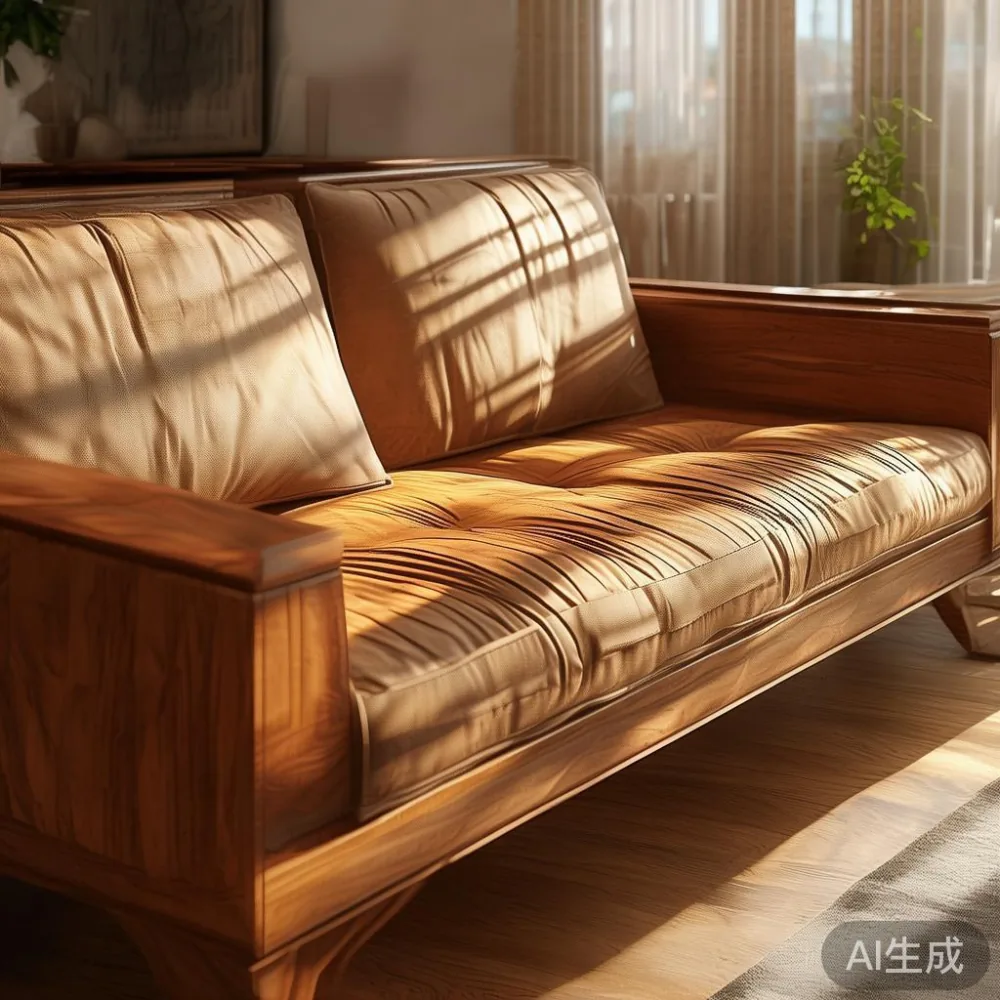
Is a sofa you cannot sit on still worth buying?
Yes, if you have enough verified information to judge comfort and can confirm that the model will fit your home. A sofa is not just a silhouette in a photograph. Seat height, seat depth, cushion density, arm width, frame material and filling all affect how the sofa feels. A video can reveal some of those details, but it cannot tell you whether the seat is too firm for your body or whether the back angle supports your posture.
Start by finding the exact model number, not just the collection name. Then request a fabric or leather specification sheet, a dimensioned drawing and photographs of the underside, legs and frame connections. Ask whether the seat cushions are fixed, removable or reversible. Confirm the foam density and whether the backrest contains foam, fibre or a feather-and-down mixture. These are objective details, and they are more useful than a general description such as “deeply comfortable.”
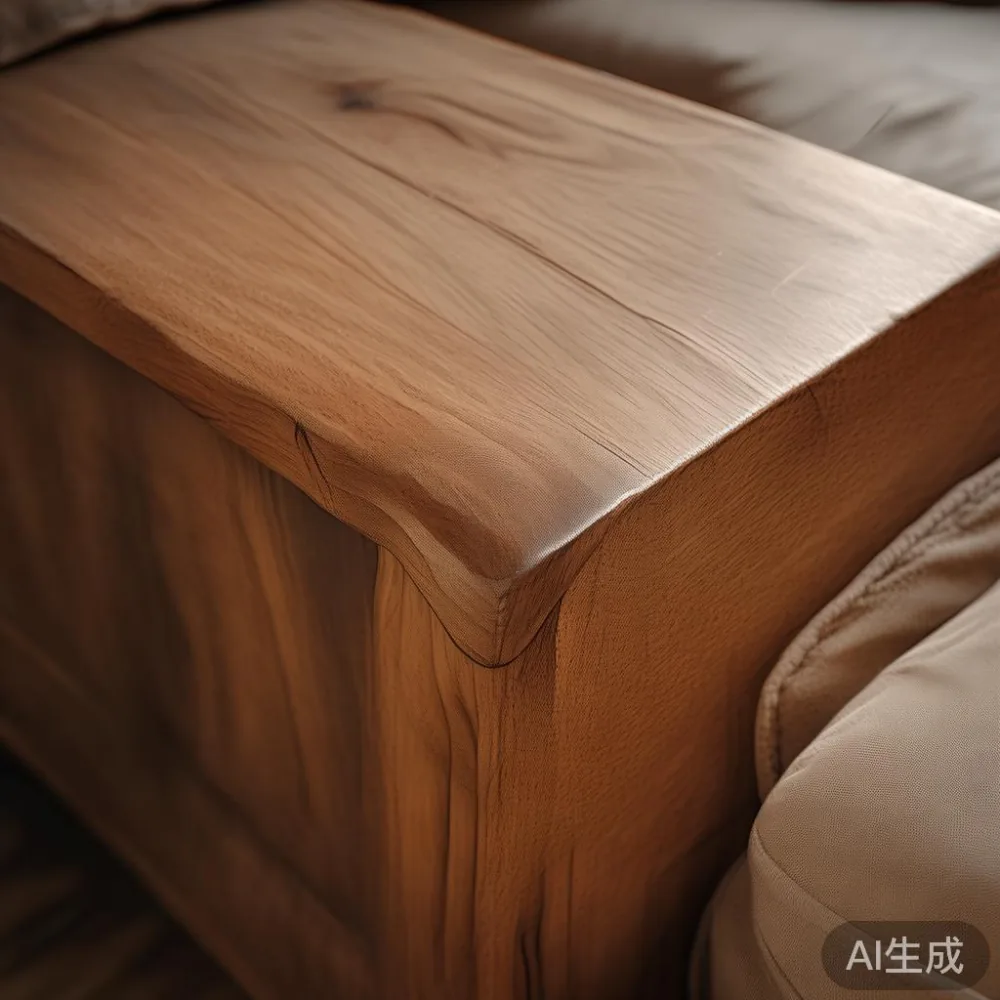
For a softer option, look for cushions with a measured foam density around 20–25 kg/m³ and a multilayer filling that allows the top to compress without collapsing. If you prefer a firmer seat, ask for a high-resilience foam core and test it with permission when a sample becomes available. The target firmness depends on your body weight and the way you normally sit. A 75 kg adult and a 95 kg adult may experience the same sofa quite differently.
Ask the seller for the full fabric composition by percentage. For example, a blend of 70% polyester, 30% cotton behaves differently from 100% cotton, while full-grain leather offers a different surface and maintenance routine. Request the Martindale abrasion rating where applicable; 30,000 cycles suits many regular-use homes, while 50,000 cycles is more appropriate for a busier living room. Ask for cleaning instructions and confirm whether spot-cleaning, machine-washing or professional cleaning is recommended.
What dimensions should you check before ordering?
Measure the sofa’s maximum width, depth and height, but do not stop there. Also record the width and height of the packaged carton, the diagonal dimensions of any detachable legs, and the turning radius required to move the sofa through your route. A 210 cm-wide sofa might fit through an 86 cm door only if its arms can be removed and its carton can be tilted. A “flat-pack” label does not automatically mean compact delivery.
In many Singapore HDB blocks, public corridors are around 120–150 cm wide, and standard service or passenger lifts may offer door openings of roughly 80–100 cm. Exact figures vary by block and renovation, so measure your own lift rather than relying on a generic plan. Measure the lift car length, depth, ceiling height, door sill and nearest obstruction. For a Bedok flat, the route may include a sharp turn at the corridor; for a Tampines unit, the lift lobby may have a narrow waiting area that restricts temporary turning.
Record the lift capacity as well. A large sofa, foam and carton can weigh 85–150 kg, and a 500 kg lift could technically carry it while leaving too little margin for the delivery crew and equipment. Request a loading-in appointment and ask whether the lift must be padded. If the sofa cannot enter by lift, ask whether the seller offers balcony delivery, hoist service or carry-up. A stair carry adds labour and risk, so obtain the charge before placing the order.
Leave at least 90 cm of circulation space between a sofa and coffee table, and consider 75–90 cm in front of the main seating zone. Check that nearby electrical outlets, floor lamps and air-conditioner outlets remain accessible. For a dining setting, allow about 60 cm behind each chair for movement, although that is a dining-table measurement rather than a substitute for sofa clearance.
Can photographs and measurements replace sitting on the sofa?
They can help you screen a model, but they should not be the only evidence. Request an unedited video that shows the sofa from the front, side, back and above. Look for daylight-balanced footage rather than heavily filtered images. Ask the seller to press both hands into each seat, sit briefly and rise, then show any temporary creasing in the fabric or leather. Natural movement can reveal weak cushioning and uneven support.
My colleague tested one of our solid wood sofa frames last month by attaching instrumented seat and back supports before applying a simulated 80 kg load. The frame remained stable, and the cushion recovered its original profile within 18 seconds. I visited the same workshop the following week and compared the loaded and unloaded seat heights with a ruler. That experience taught me to request evidence such as cycle testing, load information and documented recovery, rather than accepting a comfort description alone.
Reviews are valuable when they identify the model and mention verified dimensions. A 4.7-star rating across 86 reviews may be encouraging, but it does not prove that your preferred seat depth is available. Look for reviews that mention the sofa after 3 months or 6 months, not only on delivery day. Pay attention to comments about sagging, noise, cushion movement and the fit through a narrow doorway.
Ask whether the frame is kiln-dried hardwood, solid wood or a mixed construction, and request the species. For example, a manufacturer might use solid rubberwood or solid beech for the main frame, plywood for some supporting panels, and metal brackets or dowels at the joints. Clarify what is covered by the 10-year structural warranty. If it applies only to the frame, the fabric, foam and electrical components may have different periods or exclusions.
For buyers comparing styles, search for a french light luxury sofa when you want relaxed upholstery, rounded arms and a restrained profile. A MIDHILL European light luxury sofa may appeal to those who prefer tailored lines and a more formal silhouette. The separate question “is Mid-century modern sofa worth it” matters because tapered legs, lower seats and slimmer arms can create a lighter appearance, but they may also reduce usable seat depth and make the frame less forgiving.
What does the delivery and return policy mean for your sofa?
Read the delivery terms before looking at colours. Confirm whether the stated lead time is 7 days, 14 days or 30–45 days, and whether production is included. Singapore orders should be shown in SGD, with GST and any lifting or staircase surcharge stated separately. Ask whether the free-shipping threshold of US$350 applies to the destination order and whether taxes or remote-area charges alter the total.
For a sofa you cannot sit on, the return window is especially important. MIDHILL allows returns within 14 days, but you should confirm whether that period begins from dispatch or delivery, and whether used, assembled or non-returnable items are covered. For a large upholstered sofa, return freight can be substantial. Ask whether the original packaging must be reused and whether a restocking charge applies.
Photograph the sofa and packaging when it arrives. Check the model number on the invoice, inspect corners and cushions immediately, and record any transit damage before the delivery crew leaves. If possible, test the sofa for 20 minutes before accepting it. Do not rely on a quick glance, because compressed packaging foam can disguise uneven cushions until the sofa has rested for several hours.
How should solid wood and light-luxury details be assessed?
Light luxury is not defined only by decorative carving. It involves proportion, material consistency and workmanship. French light luxury often leans towards soft curves, padded arms and layered upholstery. American light luxury tends toward deep seats, generous cushions and a substantial silhouette. Post-modern light luxury can combine traditional framing with cleaner lines, unusual material contrasts or asymmetry.
Check whether the visible frame, arms and feet are genuinely solid wood or veneer over an engineered substrate. Look for close grain matching, smooth transitions and tight joints. Solid wood expands and contracts with humidity, so the sofa should move as a controlled unit rather than twist. Confirm that moving parts, drawers and joints are finished inside as well as outside.
The same standards should apply when coordinating other furniture. A solid wood dining table needs a stable base and even gaps around its doors; a bed frame needs adequate clearance and supported slats; a wardrobe requires wall and hinge clearances; and a nightstand should align with the bed’s height and reach. A marble table needs careful transport because it is heavy and brittle at corners. Ask the supplier whether one delivery can include compatible pieces, reducing the risk of mismatched finishes.
If a Modern light luxury TV console is part of the room, check cable openings, equipment ventilation and wall fixing points. It should not be treated as a decorative object that traps heat around electronics. For inspiration, collections described as the top 10 Mid-century modern furniture often include tapered-leg pieces, but style labels do not replace measurements or material verification.
What questions should you ask before paying?
Ask for the exact product dimensions in writing, including usable seat depth, seat height and arm height. Confirm the frame species, cushion foam density, filling composition, fabric abrasion rating and leather thickness if leather is offered. Request the warranty document and note which components and defects are covered.
Then ask about access. Will the sofa fit inside the lift? Are the arms removable? What is the packaged weight? What happens if the delivery crew cannot reach the intended room? Is a failed delivery due to access refunded? A responsible seller should provide workable answers rather than simply promising “free delivery.”
Ask when payment is due and how the order can be traced. Keep the quotation, specification sheet, warranty terms, delivery booking and photos in one folder. If the sofa is imported, check the expected lead time and customs arrangements, and ensure the quotation states the final Singapore price in SGD rather than converting a foreign price later.
Finally, judge the fit. In a compact HDB living room, a sofa with a 55–60 cm usable seat depth may suit a smaller footprint, while a 65–70 cm depth can feel luxurious but requires more clearance. In a larger condo, a 220–240 cm width may work if the lift and corridor permit. A low arm may create openness, while a high padded arm can support leaning but reduce seating width.
A sofa you cannot sit on can still be a sound purchase, provided the evidence is specific and the exit plan is clear. Verify the dimensions against the real access route, understand the materials, review the warranty, and use the return policy as protection rather than an afterthought. That approach turns uncertainty into controlled risk and gives your living room a better chance of working for daily life.