Maintaining Lacquered Furniture: A Guide for Singapore Homes
Singapore’s warmth and humidity can be hard on furniture finishes. Lacquered surfaces may look immaculate in an air-conditioned flat, yet they still encounter damp balcony air, accidental splashes, daily dust and years of sun through east-facing windows. Good care is less about constant polishing and more about controlling moisture, heat and contact.
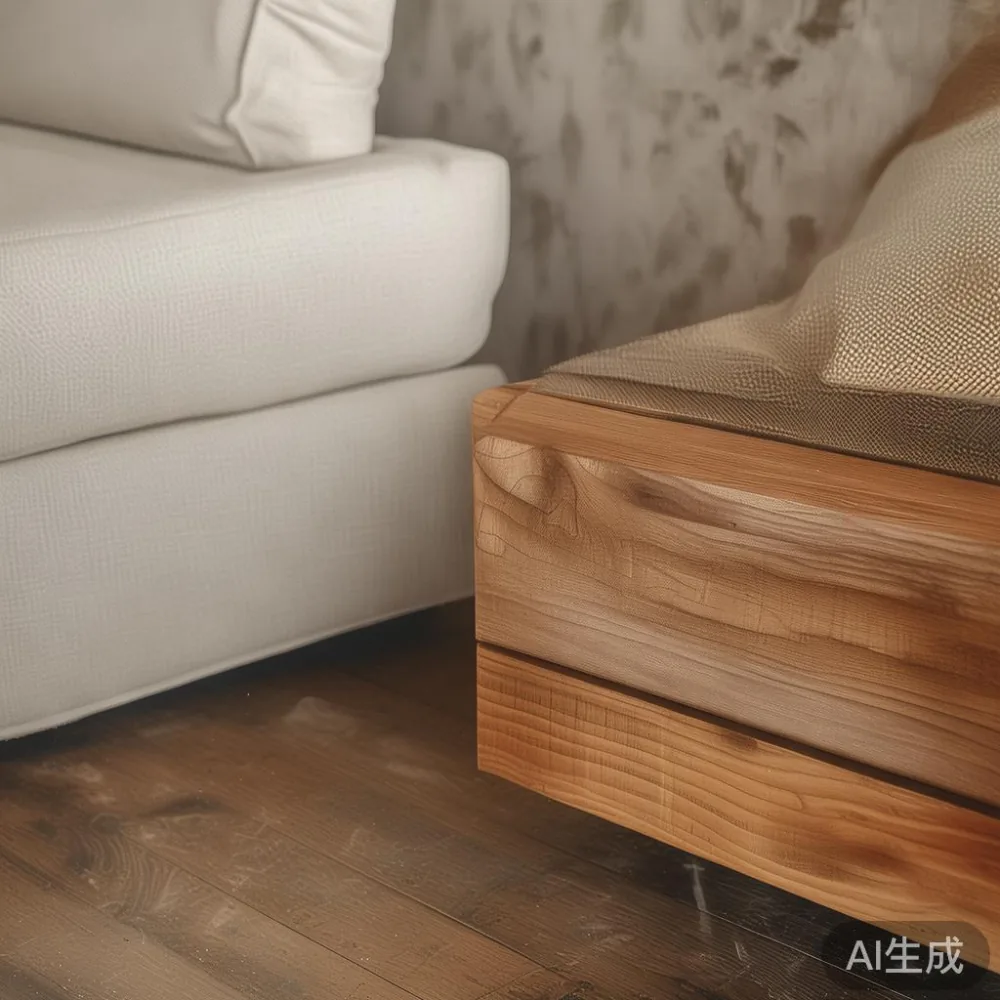
At MIDHILL, we make solid wood furniture for compact Singapore homes, where a 190 cm sofa, a 45 cm dining table or a 40 cm-wide nightstand must work hard without crowding the room. Our lacquer guidance applies across a solid wood sofa, bed frame, dining table, wardrobe, nightstand and marble table, while accounting for the realities of HDB flats and condos in Tampines, Bedok and Punggol.
How does Singapore humidity affect lacquered furniture?
<Lacquer creates a decorative skin over the substrate. It can resist ordinary wiping, but prolonged moisture may encourage swelling beneath the finish, soften adhesive lines or leave a cloudy film on the surface. Relative humidity commonly ranges from about 60% to 85% outdoors in Singapore, and an un-air-conditioned corridor can feel warmer than a living room maintained at 24–27°C.
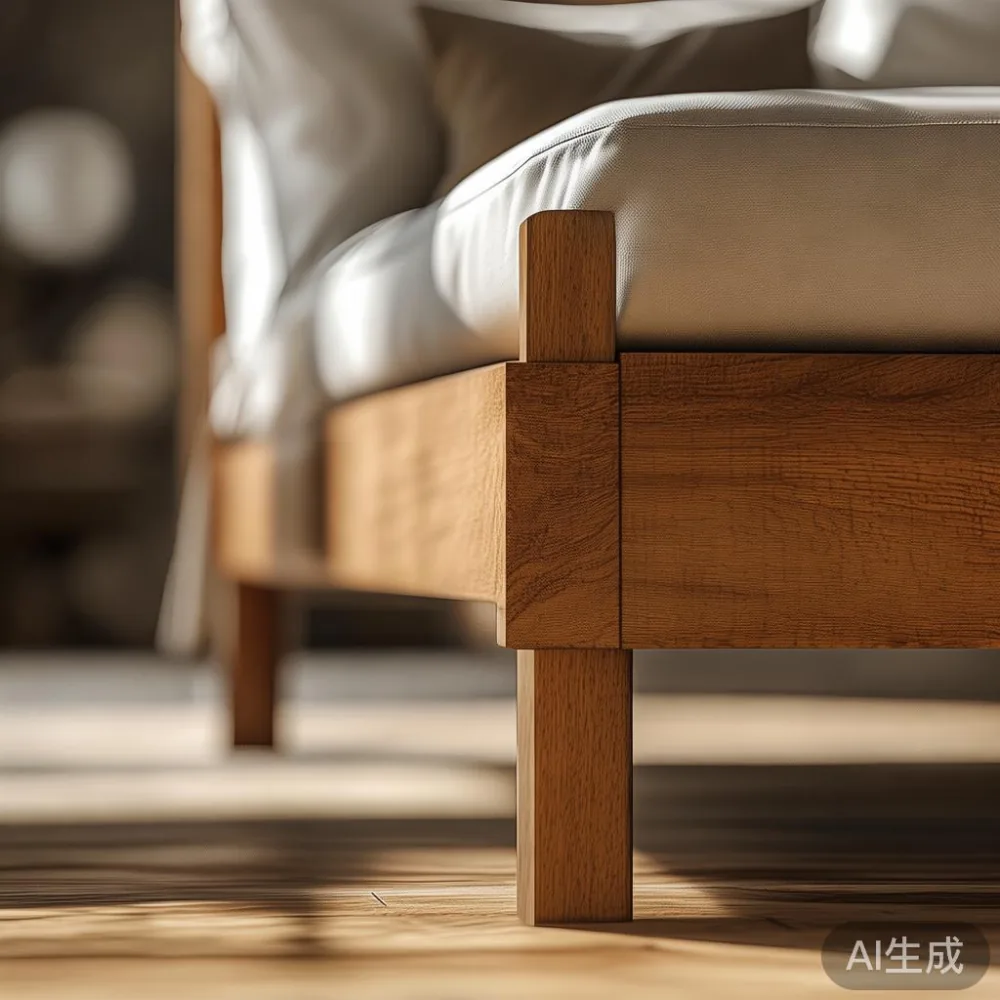
The main risk is not humidity alone, but humidity combined with heat and poor ventilation. A lacquered solid wood sofa should stand at least 30 cm from a wall if possible, especially in a ground-floor Tampines unit or a condo with a west-facing balcony door. Leave 15 cm behind a wardrobe where the design allows, and avoid pushing furniture against a cold return-air grille.
Use a digital hygrometer. A reading around 45–60% gives the wood more stability than a room sitting above 70% for long periods. If the meter remains above 70%, use the air conditioner or a dehumidifier rather than repeatedly wiping the lacquer. Moving air and moderate indoor humidity matter more than applying an extra coat of product every week.
Lacquered pieces should also be protected from direct sunlight. Keep a sofa 60–90 cm away from a sheer-curtained window where practical, and rotate dining chairs monthly so one side does not fade disproportionately. UV can amber a pale lacquer over 3–5 years even without visible heat damage.
What should I use to clean a lacquered surface?
Start with a soft, lint-free microfibre cloth, approximately 30 × 30 cm. Add 5 ml of mild pH-neutral dish detergent to a bowl holding 500 ml of lukewarm water. Wring the cloth until it is only damp, then wipe in the direction of the grain or along the length of a panel. A wet cloth should never pool around joints or plinths.
Dry immediately with a second clean cloth. This two-cloth method removes residue without pushing moisture into lacquer edges. Clean visible dust weekly; perform the diluted detergent clean every 2–4 weeks in a humid home. Wipe handle areas and armrests monthly because skin oils accumulate faster than dust.
Avoid silicone sprays, ammonia, bleach, acetone, alcohol-based glass cleaner and abrasive pads. Test an unfamiliar cleaner on a concealed 5 × 5 cm area and wait 24 hours. A polished result on the hidden frame does not guarantee that a strong chemical will not dull the finish.
Spills need prompt attention. Blot rather than rub, using a dry cloth for the first 30 seconds. For water, use the diluted detergent method once. For oily food, lift the residue with a clean cloth, then clean the whole panel evenly so a ring does not remain. Do not use a blade or sharp tool on the lacquer; one scratch can expose the preparation layer.
Be especially cautious with ring marks from a 30 cm water glass or hot cup. Use a coaster at least 9 cm wide and place it on a flat, cool section of the table. For a marble table, a separate stone cleaner is appropriate because marble’s composition differs from lacquered wood; acidic lemon and vinegar can etch the stone.
How should I prevent lacquer from blistering, peeling or discolouring?
Blistering often follows repeated wetting, heat and trapped moisture. Watch for early warning signs: a soft patch, a faint edge, tiny bubbles or a finish that feels tacky in a 27°C room. Do not press the bubbles. Stop using the affected area and have the furniture assessed before applying heat, oil or another coating.
Do not place a lacquered wardrobe against a damp exterior wall, and do not leave a bed frame beneath an open window during the 2 pm afternoon shower. Check refrigerator or air-conditioner condensate paths in compact kitchens, and keep at least 20 cm of clearance around ventilation outlets where the manufacturer requires it.
Direct lamps and radiant heaters should remain at least 45–60 cm from lacquered panels. Warmth of 40°C can accelerate adhesive movement, while concentrated light can cause colour differences. A 12 W LED lamp positioned 1 m away is safer than a 60 W halogen reading lamp placed 20 cm from a wardrobe.
Moving furniture also matters. A lacquered sofa should be lifted by its structural frame, not dragged by the feet. Carry it through corridors with at least 8 cm of clearance on each side, and use a 2-person lift above 70 kg. Solid wood dining tables may weigh 45–90 kg; remove detachable leaves and secure the remaining sections before moving.
For narrow HDB lift lobbies, measure the lift door, turning radius and furniture diagonally before delivery. MIDHILL delivery to most Singapore addresses takes 7–14 days after confirmation, with timing affected by the chosen collection slot and access conditions.
Can polished furniture be restored instead of replaced?
Minor surface marks can often be managed, but restoration depends on the lacquer system. If a finish has been sprayed in a professional workshop, machine sanding can create an uneven sheen. That is why an ordinary “scratch remover” is a poor choice for a full sofa panel.
Last month I visited a Punggol condo to inspect a solid wood dining table with a water ring near the edge. The table was 180 × 90 cm and had been beside an open sliding door during rain. We cleaned the ring with a damp microfibre cloth, dried it immediately and waited 48 hours. The mark lightened but did not disappear. A careful spot treatment by a refinisher was safer than sanding the entire top and disturbing the original sheen.
Hairline scratches may be softened with a lacquer-safe polishing product used sparingly, following its instructions. Deep gouges, lifted edges and broad whitening need a specialist assessment. Replacement components can take several weeks, so photograph the damage under daylight and with a 10 cm ruler for scale.
MIDHILL provides a 10-year structural warranty and lifetime refinishing on eligible pieces. Structural coverage and cosmetic lacquer wear are different issues: a weakened frame may fall within warranty, while a scratch from a sharp object generally falls outside structural protection. Check the order terms before assuming the surface can be replaced free of charge.
Keep your care record. Note the date, cleaning method, humidity reading and any change in appearance. For an insured move or renovation, retain delivery photographs showing the cabinet doors, table edges and sofa base.
What is the right way to style French light luxury in a small Singapore flat?
French light luxury suits warm woods, curved profiles, soft textiles and restrained contrast. In a 65 m² HDB living room, a 180–200 cm solid wood sofa can provide the visual anchor without consuming every wall. A 35–40 cm round marble table creates a light centrepiece, while a slim dining table of 120–140 cm allows chairs to move around it.
For bedroom planning, how to style French bed in apartment is partly a question of clearance. A 150 cm queen bed needs about 60 cm at the foot for a bench or circulation, and a 90 cm wardrobe may require a 100–120 cm space when opened. Use curtains rather than heavy blackout drapes if airflow is needed, and keep lacquered surfaces away from the bed’s damp linen line.
American light luxury often pairs a clean frame with tactile upholstery and darker metal details. Post-modern light luxury can mix one curved silhouette with rectilinear storage. These directions all work in Singapore when proportion comes before decoration. Keep the palette to 3 main colours, and use warm white at 3000K instead of harsh daylight white.
When comparing Japanese sofa vs Italian light luxury sofa, consider the room, not only the origin label. A low Japanese-style frame may feel visually lighter, while an Italian-inspired seat can create a formal centrepiece. Both still need the same lacquer protection, especially if either sits near a balcony door.
How do I coordinate lacquer with other solid wood pieces?
Start with the wood tone and sheen. Warm walnut, teak and oak finishes can sit beside lacquered panels, but very yellow or very cool lacquers may look disconnected. View samples beside actual daylight for 10 minutes, not under showroom lighting alone.
A bed frame defines the bedroom structure, a nightstand supports the bedside routine and a wardrobe controls storage density. A solid wood sofa anchors the living room, while a dining table extends the same material language into the dining area. If the pieces were finished in different batches, expect small tonal differences, particularly in reddish or brown stains.
For compact storage, Mid-century modern with storage is useful where a low media unit or sideboard must hold routers, game controllers and cables. The MIDHILL TV console should have ventilation and should not be placed directly against an exterior wall. A closed compartment can reduce visible dust, while cable openings should remain accessible.
Wardrobes need a different approach from seating. How to choose Mid-century modern wardrobe involves checking the opening direction, aisle space and internal fittings as carefully as the façade style. Allow 60 cm in front of hinged doors where possible; sliding doors can reduce that requirement but may still need 5–10 cm for the top track and finger clearance.
For dining, European light luxury dining table works well when the material is balanced by light walls and straightforward chairs. A 160 cm table seats 6 people with about 55 cm per person, while a 200 cm table seats 8. Coordinate a marble table with a solid wood base, but remember that marble remains vulnerable to acidic liquids even when the lacquered timber is protected.
Storage planning can make a small flat calmer. Use a nightstand 35–50 cm wide, place it within 40 cm of the bed, and keep charging cables off the floor. Use tray liners on a dining table and individual coasters on a marble surface. These habits reduce moisture, stains and impact marks over 5 years of daily use.
How often should lacquered furniture be maintained?
A simple schedule works better than occasional aggressive cleaning. Dust weekly with a dry microfibre cloth. Check humidity monthly and after heavy rain. Clean spills immediately, and complete a diluted detergent clean every 2–4 weeks in a humid home. Inspect sofa arms, dining edges, wardrobe bases and nightstand rings every 3 months.
Check the lacquer with your fingernail, not a magnifying lens. A healthy finish should feel smooth and should not tack, lift or sound hollow when tapped gently. Do not test with a coin, screwdriver or key because each can scratch. If the surface feels soft, leave the area untouched and arrange an inspection.
Seasonal preparation matters in Singapore even without dramatic temperature changes. Before the northeast monsoon, check that balcony doors close fully and that the unit’s dehumidifier works. During the 1 pm afternoon sun, draw curtains in east- and west-facing rooms. During the 6 pm peak period, open doors and windows when outdoor conditions allow, then run the dehumidifier if humidity remains high.
For new purchases, retain the care instructions and finish sample. Singapore’s Goods and Services Tax is 9% on qualifying domestic purchases, while exports to more than 15 countries are handled under MIDHILL’s export arrangements. Free shipping applies to qualifying orders above US$350, equivalent to about SGD 470 before exchange adjustments; local delivery terms and the final checkout total should still be confirmed.
Returns are accepted within 14 days under the stated policy, subject to condition and eligibility. Lacquer damage after delivery may not qualify, so inspect the piece at receipt. Photograph each side in natural light, test the doors and drawers, and note any marks before packaging is removed.
Good lacquer care is measured in small routines: a 5 ml dab of cleaner, a 30 cm cloth, a 9 cm coaster and a 60 cm distance from direct sun. Those modest numbers can protect a solid wood sofa, bed frame, dining table, wardrobe, nightstand or marble table for years of Singapore living, without turning maintenance into a burden.