How Southeast Asian Humidity Affects Solid Wood Furniture in Singapore
Singapore’s warm, humid climate can change the dimensions, joints, and surface of solid wood furniture faster than many owners expect. Outdoor relative humidity may swing from about 65% to 90% during monsoon periods, while an air-conditioned HDB flat might remain near 50% to 60%. That repeated expansion and contraction can affect a solid wood sofa frame, bed frame, dining table, wardrobe, or nightstand, especially when new pieces move between a warehouse, delivery van, lift, and air-conditioned home.
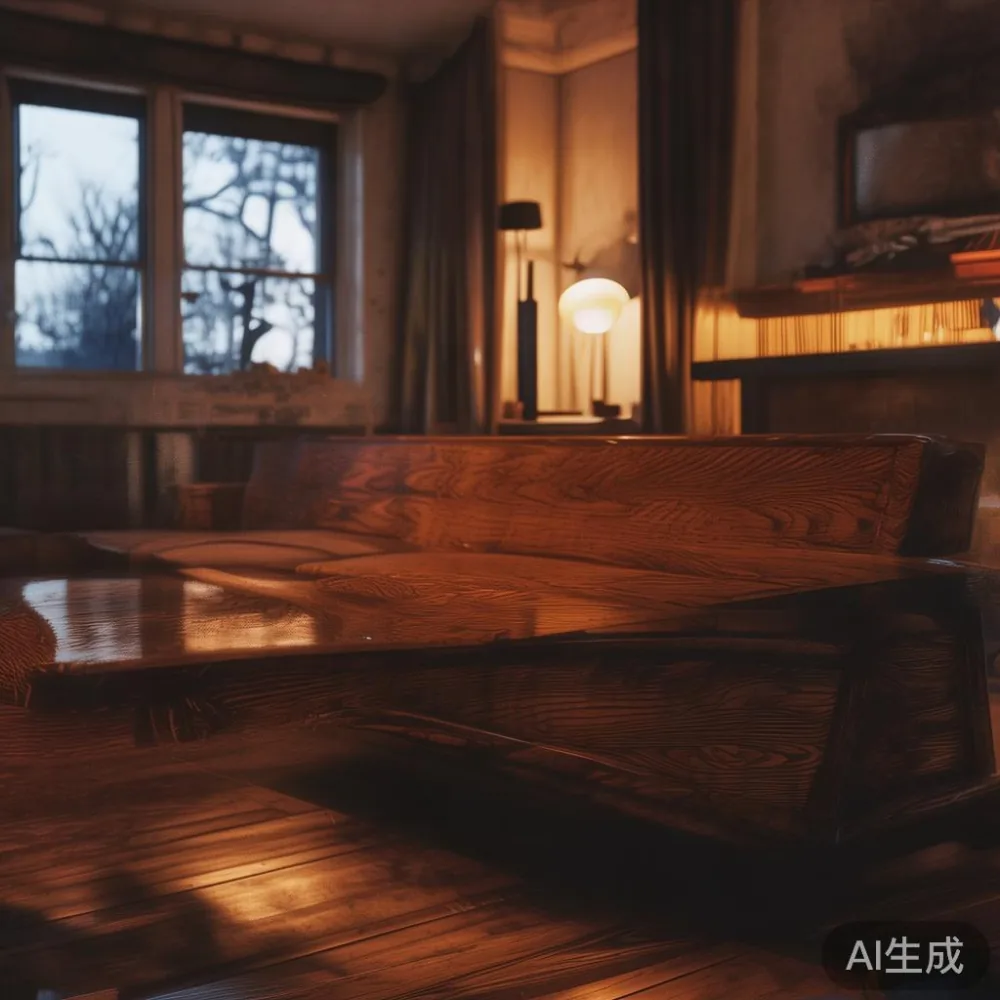
At MIDHILL, we build solid wood furniture for practical Southeast Asian conditions without treating every piece as though it belongs in a dry European showroom. The balance lies in stable timber, sound joinery, appropriate finishes, sensible acclimatisation, and realistic care guidance. Understanding how moisture moves through wood helps Singapore households preserve proportion, appearance, and service life while retaining the calm character of modern European light luxury furniture.
Why does Singapore humidity make wood expand and move?
Wood is hygroscopic: it absorbs moisture when the surrounding air is humid and releases it when the air becomes drier. In Singapore, this cycle can happen daily as afternoon showers raise humidity and air conditioning lowers it. A dining table may gain several millimetres in width across a wet season. Over 12 months, those changes can stress a tight joint, make a sliding door feel stiff, or leave a pale patch on a finished surface.
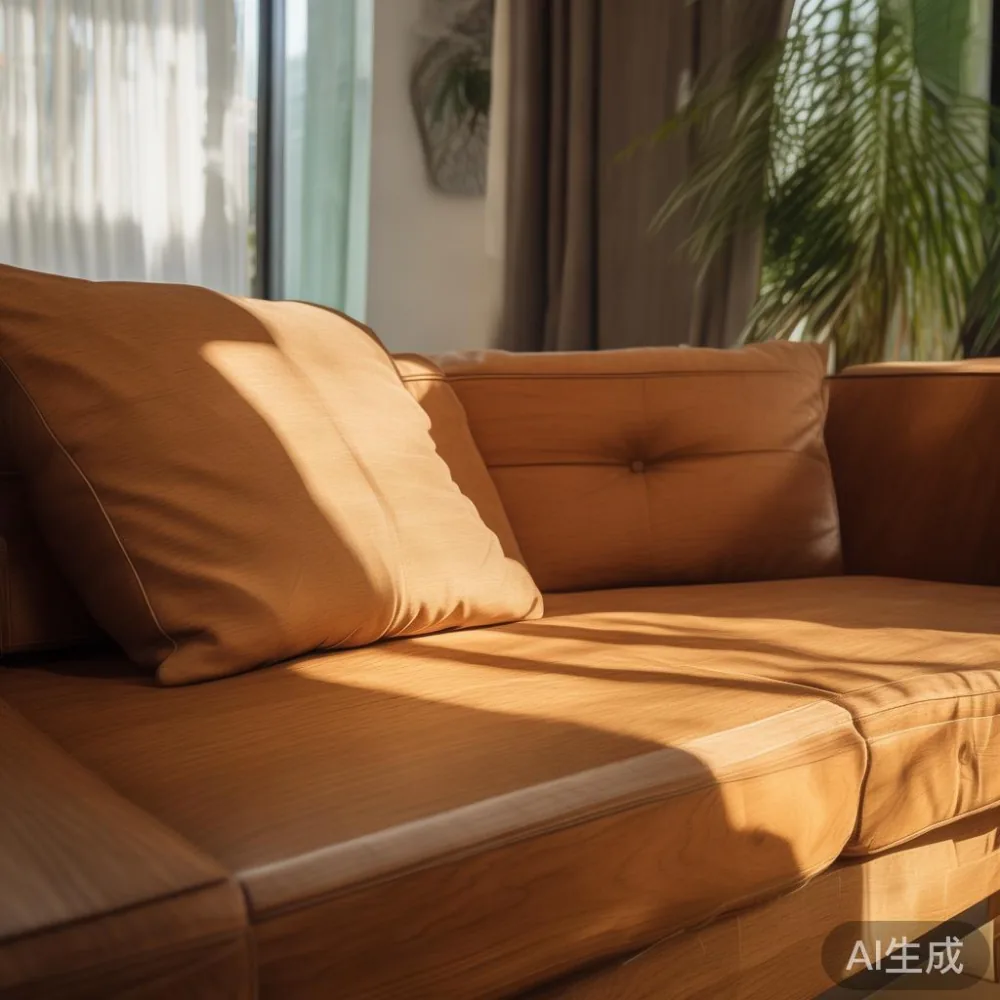
The movement depends on timber species, board orientation, thickness, edge treatment, and finish. Solid hardwood is not dimensionally inert, although well-designed furniture can tolerate seasonal variation. Veneered panels may move differently because thin layers are bonded to a substrate. Engineered flooring has its own limits. None should be described as moisture-proof, particularly in a bathroom, balcony, or open-sided landing.
Use a simple indoor hygrometer, ideally placed beside—not directly against—your furniture. A reading between 45% and 60% relative humidity is a practical target for most occupied Singapore interiors. During the wettest weeks, running air conditioning or a dehumidifier in a closed bedroom can reduce repeated moisture cycling. Aim for gradual changes rather than rapid shifts between 40% and 85%.
How much should a new solid wood dining table acclimatise?
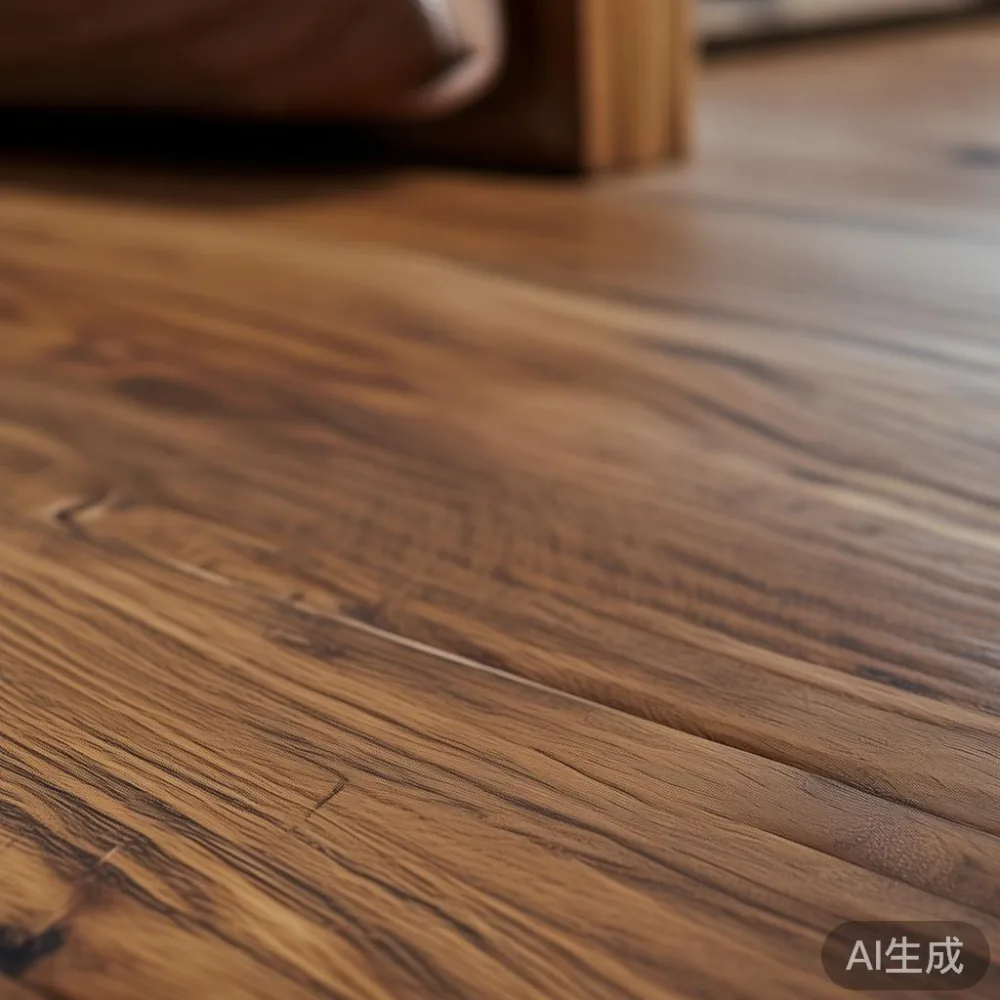
New timber should acclimatise in the room where it will live. Remove the protective packaging only after the cartons have rested for 24 to 48 hours, depending on their thickness and how tightly they were wrapped. Keep the piece away from exterior walls, bathroom doors, and direct air-conditioner outlets. Allow another 7 to 14 days before installing a heavy marble top or fitting drawers that may need small adjustments.
Last month I visited a client’s three-room flat in Tampines to inspect a 200 cm solid oak dining table delivered from our Foshan operation. The table had crossed hot loading yards and several lift journeys before entering an air-conditioned home. Its top measured within 2 mm of the workshop reference, but one drawer was 1 mm tighter than expected. After 10 days at an indoor humidity of roughly 55%, the drawer opened normally without force. The visit confirmed that acclimatisation is not a ritual of leaving boxes sealed for 2 weeks; it is a controlled process involving packaging, ventilation, and stable room conditions.
For our workshop measurements, mark the top with a pencil and refer to those notes rather than assuming every movement indicates a defect. Small seasonal changes are acceptable. Large splits, loose joints, or a visible twist exceeding the agreed tolerance should be documented with photographs and reported within the applicable warranty period.
Does humidity affect a solid wood sofa frame?
Yes, although the upholstered seat often hides changes that are obvious on a dining table. The frame of a solid wood sofa can expand along its rails and joints as the room’s relative humidity rises. Foam, webbing, and covers also respond to heat and moisture. In a typical HDB living room, keep the sofa at least 15 cm from an exterior wall and 30 cm from a persistent cold-air outlet. Avoid using a tightly fitted plastic sheet over the sofa for more than 7 days; trapped moisture can encourage musty odours and mildew around the base.
Searching for sofa sg options should include questions about frame timber, finish, and local care—not only fabric colour. A kiln-dried hardwood frame, mortise-and-tenon or dowelled joints where appropriate, and a finish designed for humid interiors offer a sensible starting point. Avoid placing a new sofa directly beside a west-facing window in Bedok or Punggol, where afternoon sun can heat the surface to above 40°C while rain raises humidity.
If a frame joint develops a click, inspect it before tightening unrelated screws. Wood movement can temporarily alter alignment. For routine care, lift cushions and vacuum underneath every 7 to 10 days. Blot spills within 15 minutes with a dry white cloth. Do not saturate timber with water, and keep cleaning liquids off the frame by at least 5 cm.
Will a bed frame, wardrobe, and nightstand warp in a HDB flat?
They can if their placement and construction are poorly matched to the room. A solid wood bed frame placed directly under a window or beside an air-conditioner may experience uneven moisture exposure. Keep at least 20 cm from an exterior wall and 30 cm from the cooling airflow. For a 160 cm × 200 cm bed frame, check the centre support every 6 months, because seasonal movement can loosen a fastener slightly.
A wardrobe needs airflow behind its back and sides. In a compact HDB bedroom, leave approximately 5 cm behind the carcass if the installation instructions permit, and do not push solid wood doors against damp masonry. If a sliding door binds after 24 hours of heavy rain, remove the track covers, clean the runners with a dry brush, and let the room stabilise for 48 hours. Persistent rubbing may require an adjustment rather than household lubricant, which can collect dust.
Nightstands and side tables are smaller and easier to monitor. Compare their height against the bed after wet and dry periods. A 1–2 mm difference may occur with responsive solid timber; a larger lean can indicate that a piece was positioned on an uneven floor. Use a 2 mm shim beneath the stable side, never beneath a moving caster, and check that the furniture remains stable before adding a lamp.
Can humidity damage marble and lacquered finishes?
Humidity can affect the materials used with wood. Lacquer, oil, water-based coatings, adhesives, and marble behave differently. A marble table may develop condensation if its surface falls below the room’s dew point, although Singapore interiors rarely become cold enough for this to be a constant issue. More often, the issue is staining: acidic liquids, cleaning residue, or water trapped beneath an object can dull the polish.
Wipe marble with a damp microfibre cloth and dry it immediately. Keep coasters under drinks and rings under objects weighing more than 2 kg. Do not use vinegar, lemon, or abrasive cleaner on natural stone. For oiled solid wood, use a pH-neutral cleaner applied to a cloth rather than sprayed directly onto the surface. Re-oil only when the timber looks dry and pale, usually according to the coating’s care schedule rather than on a fixed monthly date.
This is also where material planning matters. A marble dining top with a solid wood base needs a stable indoor environment and careful installation, while a fully wooden dining table may tolerate normal seasonal movement more readily. MIDHILL can discuss finish and material options during the order process, including Italian light luxury with storage concepts that balance pale stone, timber, and concealed organisation.
How narrow HDB corridors and lift journeys change delivery risk
Humidity matters before a piece reaches your flat. Packaging may remain in a loading area, a corridor, or a delivery van for several hours. Large furniture should not be exposed to rain during unloading. Use a moisture barrier around the package, keep straps away from finished edges, and check corners for crushed protection.
Measure the route before delivery, not after the sofa is downstairs. For a sofa sg order, record the packed width, depth, and height, then compare them with the HDB lift door, common corridor width, and turning space. A 210 cm sofa may fit through a 90 cm lift door in one orientation but still need careful rotation. Sofa legs can usually be detached and secured separately; retain every screw in a labelled bag.
At a condo, add the gate, parking bay, lobby, lift reservation, and unit-door measurements. If a freight lift requires a protective pad, arrange it in advance. Delivery within Singapore commonly takes 7 to 14 working days after confirmation, while production can add 30 to 60 days for a made-to-order piece. Plan around weekends, move-out schedules, and at least 24 hours of acclimatisation before hosting guests.
Local pricing is quoted in SGD, and Singapore purchases normally include 9% GST. Use the full invoice total when setting a budget. MIDHILL’s shipping threshold of US$350 applies to qualifying international orders, while Singapore delivery arrangements should be confirmed directly. A 14-day return window provides useful time to assess the piece in its final room, provided it remains unused and in its original condition.
Which design styles suit humid Southeast Asian homes?
Humidity does not determine style, but material selection and visual lightness can suit compact urban interiors. French light luxury often combines pale oak or ash with cream upholstery and slim profiles, creating an airy appearance without making a narrow living room feel crowded. American light luxury may use warmer walnut tones and deeper upholstery, provided the finishes are stable and the ventilation around each piece is considered.
For shoppers comparing best light luxury furniture, a local sample is more useful than a photograph under showroom lighting. Request timber and finish samples, check them for 24 hours, and review them under the room’s actual evening lighting. Post-modern light luxury can work well through clean lines, restrained storage, and mixed materials, but every finish should still be tested for the home’s humidity and cleaning habits.
For compact HDB studies, shoppers browsing under 2000 Minimalist furniture often prioritise a 100–120 cm desk, slim shelving, and closed storage. A dining set may suit a 120 cm round table with 4 chairs more comfortably than a fixed 200 cm rectangular layout. In a Tampines three-bedroom flat, preserve at least 60 cm for a main circulation route and 90 cm beside a dining table where chairs are pulled out.
Accent seating needs the same care as larger furniture. A Mid-century modern accent chair with solid timber legs should not be dragged across the floor; use felt pads under each leg and keep it at least 20 cm from an open window. Comparison lists of the top 10 Minimalist furniture can help with planning, but dimensions, moisture performance, and local aftersales support should carry more weight than ranking alone.
What is the right cleaning routine for humid weather?
Create a simple routine based on weekly, seasonal, and annual checks. Weekly, dust with a soft dry cloth and inspect surfaces near windows. Monthly, check dining and bedside furniture for movement, then tighten or adjust hardware only if the manufacturer’s instructions require it. At the start of each wet season, measure the relative humidity near frequently used furniture and correct persistent condensation.
For a dining table, remove crumbs after each meal, blot spills immediately, and use coasters under hot vessels. For a bed frame, check the centre rail and slats every 3 months. For a wardrobe, run the doors open for 10 minutes after a downpour if the room has been closed and humid. For a nightstand, keep liquids in a tray with a 2 cm raised edge. A marble table should be dried after cleaning and protected from acidic stains.
Do not place a dehumidifier so close that its warm exhaust recirculates across timber. Maintain at least 30 cm of discharge space. Clean filters every 1 to 3 months, depending on dust. In an unoccupied flat during heavy rain, a dehumidifier may maintain about 50% relative humidity more consistently than relying on short air-conditioning sessions.
How long should quality furniture last, and what warranty applies?
Furniture longevity depends on the design, timber, construction, finish, placement, and care. A properly built solid wood dining table can serve a family for 10, 20, or more years if its movement is respected. A solid wood sofa frame, bed frame, wardrobe, and nightstand can likewise remain useful when joints are checked and finishes are renewed. Humidity accelerates damage only when the piece is repeatedly wet, poorly ventilated, or forced out of alignment.
MIDHILL provides a 10-year structural warranty on qualifying products, along with lifetime refinishing. Structural coverage addresses defects in the specified construction; it does not mean moisture movement, ordinary wear, or neglected finishes are automatically covered. Keep the invoice, care instructions, and delivery notes. Report a problem within 30 days of discovering a potential defect, with photographs and a short description of room humidity and placement.
Choose furniture for the home’s real dimensions and climate rather than for a catalogue scene alone. Measure doorways, reserve lift time, compare samples, maintain 45% to 60% relative humidity where possible, and inspect moving parts every 3 to 6 months. With those habits, solid wood can remain graceful and stable in Singapore for many years. Review current specifications and delivery arrangements at m.midhill.co before ordering.